












Article Summary:
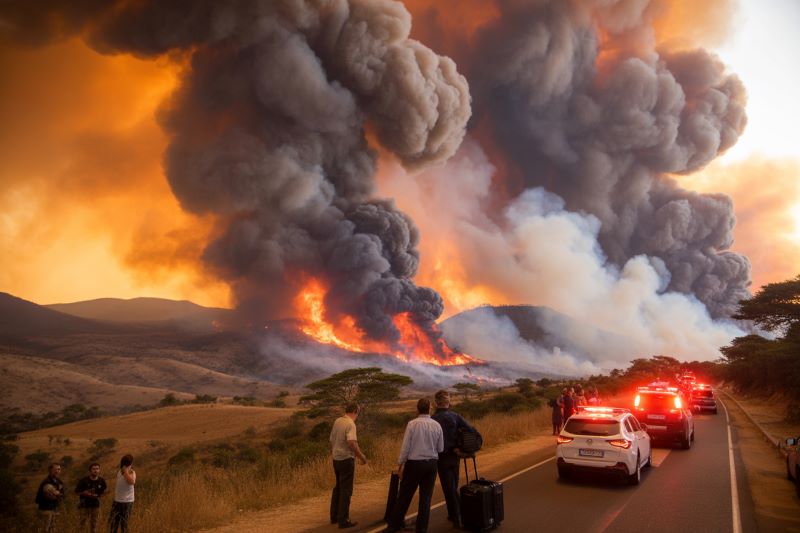
South Africa’s Eastern and Western Cape provinces are currently experiencing devastating wildfires that have forced evacuations and disrupted travel across key tourism hotspots in January 2026. The fires have had a catastrophic impact on both residents and visitors in popular destinations, causing widespread damage and significant disturbances to local tourism operations. The government has issued updates on the situation, highlighting the ongoing challenges faced by the tourism industry in these regions.
Key Points:
- Wildfires Impacting Tourism Hotspots: The wildfires in South Africa’s Eastern and Western Cape provinces have forced evacuations and disrupted travel in key tourism areas such as the Garden Route and Stellenbosch.
- Government Response: The government has issued updates on the situation, indicating the ongoing challenges faced by the tourism industry in the affected regions.
- Disruption to Travel Plans: The fires have disrupted travel plans for thousands of tourists, causing significant disturbances to local tourism operations.
Actionable Takeaways:
- Monitor Evacuation and Travel Advisories: Travel agencies and tourism businesses should closely monitor official evacuation notices and travel advisories issued by the South African government to ensure the safety of travelers and adjust travel plans accordingly. This is crucial for minimizing risks and maintaining compliance with safety regulations.
- Invest in Disaster Preparedness: The tourism industry in affected regions should invest in disaster preparedness strategies, including emergency response plans and insurance coverage for potential losses due to natural disasters. This proactive approach can help mitigate financial impacts and ensure business continuity in the face of unforeseen events.
Contextual Insights:
The wildfires in South Africa’s popular tourism regions underscore the vulnerability of the travel industry to natural disasters. This event highlights the importance of robust disaster preparedness and real-time communication strategies in the travel sector. As the industry continues to evolve, integrating advanced technologies for monitoring and response, such as AI-driven weather forecasting and automated evacuation alerts, could enhance resilience against such crises. Additionally, the situation emphasizes the need for collaboration between government bodies, tourism operators, and technology providers to develop comprehensive solutions that safeguard both travelers and businesses in high-risk areas.
Read the Complete Article.



