











Comprehensive Summarization:
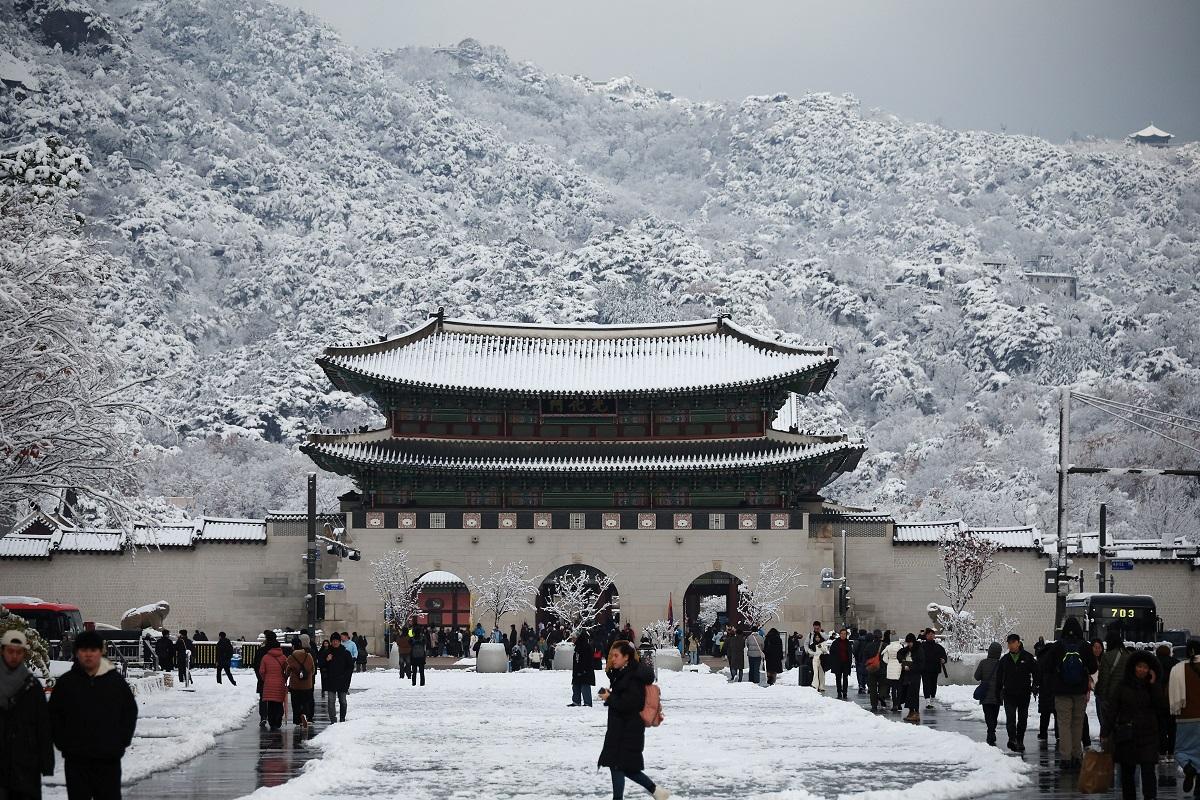
The article reports that the Korea Visa Application Center (KVAC) in the Philippines has announced revisions to its documentary requirements for visa applicants, effective February 20, 2026. The key changes include waiving the requirement for “three months of bank statements” across all visa categories, simplifying the process for student applicants by allowing them to provide either an original school certificate or a copy of their student ID, and streamlining other requirements. These changes aim to enhance convenience and encourage more visits to South Korea, particularly in light of the heavy snowfall that disrupted traffic, power, and flights in Seoul on November 27, 2024. The article also touches on broader travel trends and insights from thought leaders, highlighting the ongoing evolution of travel policies and the impact of weather events on tourism.
Key Points:
- KVAC has revised documentary requirements for visa applicants, effective February 20, 2026.
- The waiver of the “three months of bank statements” requirement across all visa categories.
- Simplification for student applicants, allowing submission of either an original school certificate or a copy of their student ID.
- The revisions are aimed at enhancing convenience and encouraging more visits to South Korea.
- The article references the heavy snowfall in Seoul on November 27, 2024, which disrupted traffic, power, and flights.
Actionable Takeaways:
-
Streamlined Visa Application Process: Visa applicants can now save time and effort by not having to submit three months of bank statements. This change is particularly beneficial for those who may not have readily accessible bank statements or prefer a more straightforward application process. It reflects a broader trend in travel tech towards simplifying bureaucratic processes to make international travel more accessible.
-
Increased Accessibility for Students: The flexibility in documentation requirements for student applicants (allowing either an original school certificate or a copy of their student ID) makes the visa application process more accessible for students. This change could encourage more students to pursue educational opportunities in South Korea, potentially boosting educational tourism. It also aligns with the growing trend of digital documentation and verification in the travel industry.
-
Weather-Related Travel Considerations: The article highlights the impact of heavy snowfall on travel in Seoul, which could serve as a cautionary tale for travelers and a reminder of the importance of weather preparedness. Travel agencies and service providers might consider offering weather-related travel advisories or insurance options to mitigate the risks associated with severe weather events.
Contextual Insights:
The revisions to the visa application requirements by KVAC reflect a broader industry trend towards making travel processes more efficient and user-friendly. As the travel industry continues to recover from the impacts of the COVID-19 pandemic, there is a growing emphasis on enhancing the travel experience for both tourists and business travelers. The waiver of certain documentation requirements is a strategic move to attract more visitors to South Korea, especially in light of the recent severe weather event that disrupted travel plans. This move aligns with the industry’s focus on leveraging technology to streamline processes and improve customer satisfaction.
Moreover, the article’s context of recent travel trends and insights from thought leaders underscores the importance of adaptability in the face of unpredictable events, such as extreme weather. Travel agencies and service providers are increasingly adopting flexible policies and innovative solutions to mitigate the risks associated with such events. This includes offering weather-related travel advisories, insurance options, and streamlined application processes to ensure a smoother travel experience for their clients.
In conclusion, the changes announced by KVAC are a testament to the industry’s ongoing efforts to balance regulatory requirements with the need for convenience and accessibility. As the travel industry continues to evolve, such strategic adjustments will play a crucial role in shaping the future of travel, particularly in regions prone to unpredictable weather events.
Read the Complete Article.


