












Article Summary:
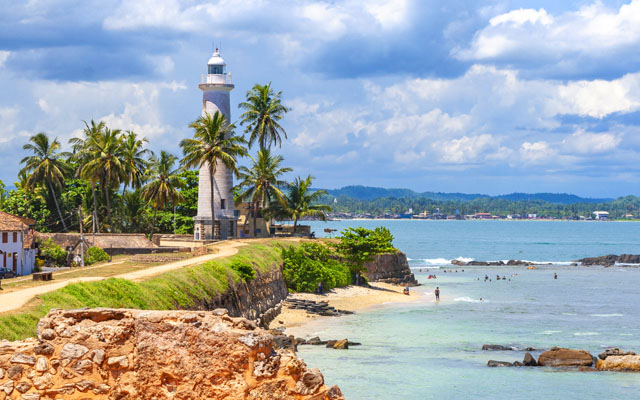
Sri Lanka is set to introduce visa-free entry for nationals of 40 countries starting next month, a strategic move aimed at boosting travel demand to the country. This initiative, announced by Sri Lanka Tourism Promotion Bureau chairman Buddika Hewawasam, is expected to take effect from January onwards following parliamentary approval. The move is anticipated to stimulate tourism, particularly to UNESCO-listed sites like Galle Fort, a key highlight of Sri Lanka’s cultural tourism offerings.
Key Points:
- Sri Lanka will allow visa-free entry to nationals of 40 countries, including the UK, Germany, the Netherlands, Belgium, Spain, Australia, Poland, Kazakhstan, Saudi Arabia, the UAE, Nepal, China, India, Indonesia, Russia, Thailand, Malaysia, Japan, France, the US, Canada, the Czech Republic, and others.
- The decision is intended to stimulate travel demand and boost tourism, with parliamentary approval expected “any moment now.”
- The plan is set to take effect from January onwards, targeting key cultural and historical sites such as Galle Fort, a UNESCO-listed site.
- The move is part of broader efforts to enhance Sri Lanka’s appeal as a travel destination, leveraging its rich cultural heritage and natural beauty.
Actionable Takeaways:
- Increased Tourism Revenue: The visa-free policy is expected to significantly increase tourist arrivals to Sri Lanka, leading to higher revenue for the tourism sector. This could stimulate local businesses, including hotels, restaurants, and tour operators, fostering economic growth.
- Boost for Cultural Tourism: With key sites like Galle Fort receiving more visitors, there is a potential boost for cultural tourism. This could lead to enhanced preservation and promotion of Sri Lanka’s cultural heritage, attracting more visitors interested in history and heritage.
- Opportunities for Travel Agencies and Tour Operators: The increased tourist flow presents opportunities for travel agencies and tour operators to expand their services, offering tailored packages that cater to the new influx of visitors. This could lead to innovative travel solutions and partnerships with local businesses.
Contextual Insights:
The introduction of visa-free entry for a large number of countries aligns with current global travel trends, where governments are increasingly adopting such policies to stimulate tourism and economic recovery post-pandemic. This move by Sri Lanka reflects a broader industry trend towards leveraging digital and policy innovations to boost travel demand. Furthermore, the focus on cultural and historical sites like Galle Fort underscores the importance of preserving and promoting cultural heritage as a key driver of tourism. As the travel industry continues to evolve, such strategic policy decisions will play a crucial role in shaping future travel trends and enhancing the competitiveness of destinations like Sri Lanka.
Read the Complete Article.



