












Article Summary:
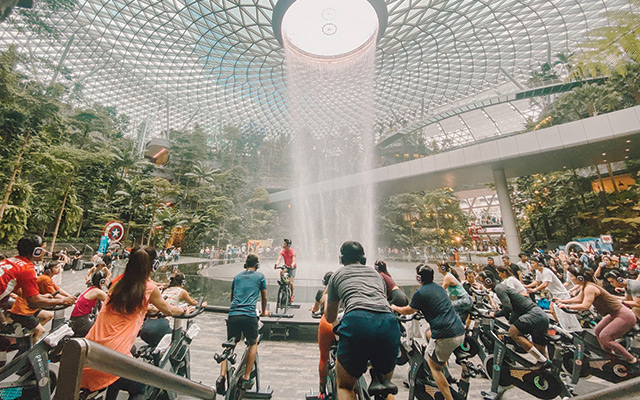
The article discusses how some Asia-Pacific airports are evolving from mere transit hubs into immersive, restorative spaces that blend design, nature, and wellness. Drawing inspiration from C.S. Lewis’s “The Magician’s Nephew,” these airports are creating tranquil environments with features like mirror-clear pools and timber design, aiming to provide passengers with a sense of calm and sensory renewal. The transformation is exemplified by Kansai International Airport, which is incorporating natural materials and abundant natural light, setting a new standard for airport design ahead of World Expo 2025.
Key Points:
- Asia-Pacific airports are being redesigned to offer more than just transit services, focusing on creating restorative environments that combine nature, design, and wellness.
- The transformation is inspired by the concept of a “world between worlds” from C.S. Lewis’s “The Magician’s Nephew,” aiming to provide passengers with a sense of calm and sensory renewal.
- Kansai International Airport is a prime example of this trend, featuring timber design, natural light, and other natural elements to redefine the airport experience.
- The article highlights the importance of destinations over detours, emphasizing the shift towards airports that enhance the passenger experience rather than merely serving as transit points.
Actionable Takeaways:
-
Incorporate Nature and Wellness Elements in Airport Design: Airports can enhance passenger experience by integrating natural materials, abundant natural light, and wellness-focused design elements. This approach not only improves passenger satisfaction but also aligns with the growing trend of wellness tourism in the travel industry. (Relevance: Directly sourced from the article’s discussion on Kansai International Airport’s design innovations.)
-
Embrace Innovative Airport Design Trends: The article underscores the importance of innovative airport design in creating memorable passenger experiences. Staying abreast of such trends can help airports differentiate themselves in a competitive market and attract more travelers. (Relevance: The article provides a specific example of Kansai International Airport’s design approach, which can serve as a benchmark for other airports.)
Contextual Insights:
The article reflects the current trend in the travel industry towards creating holistic passenger experiences that go beyond mere transit services. This shift is driven by the increasing demand for wellness and immersive travel experiences, as highlighted by thought leaders in the industry. The focus on natural materials and wellness elements in airport design aligns with broader industry trends towards sustainability and holistic well-being. Furthermore, the example of Kansai International Airport illustrates how airports can leverage cutting-edge design to redefine the travel experience, setting a benchmark for future developments in airport architecture and passenger services. This contextual understanding positions the article as a forward-looking piece that highlights the evolving nature of the travel industry, emphasizing the importance of innovation and passenger-centric design in staying competitive.
Read the Complete Article.



