
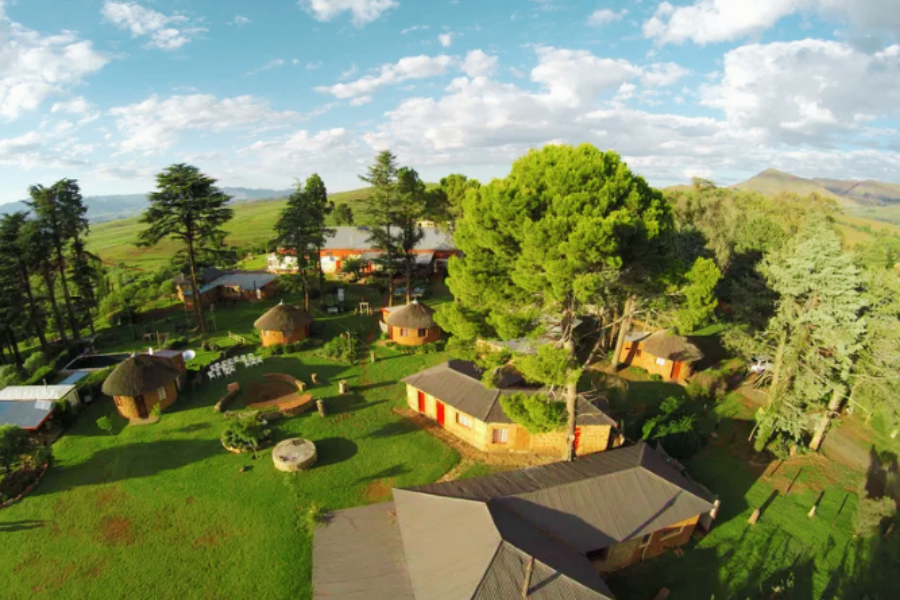













Through its Foundation, Grootbos Private Nature Reserve funds adult education and conservation
As the summer holidays approach, demand on travel agents and tour operators is shifting gear dramatically, with many families wanting to jet off to far-flung destinations.
Tourism is one of the world’s largest industries, with millions of people traveling every year to experience new cultures, environments, and attractions. While the renewed appetite for travel is good news for the communities attracting the current wave of tourists, the impact of these trips poses a significant problem to our environment.
As awareness of climate change grows, the industry – which contributes up to 11% of global greenhouse gas emissions according to the World Travel & Tourism Council – is increasingly facing pressure to minimize its impact on the environment.
The Glasgow Declaration for Climate Action in Tourism, agreed back at COP 26, included a target to halve carbon emissions by 2030.
Around the world, support is growing for a just transition – one which mitigates the effects of climate change on the most vulnerable. When it comes to travel, we must ensure that rather than cutting-off long haul destinations from the rest of the world, we work with them and enable governments and tourism boards to support destinations to become greener, and so preserve the livelihoods of those employed.
The world’s population doesn’t want to stop travelling, and nor should we – the economic damage would be terrible, and travelling is one of the great joys of life. Instead, we must find a way to balance the economic benefits of tourism, while mitigating damage to the environment. These are not mutually exclusive goals. Before the pandemic, tourism created one in four new jobs globally and accounted for 10.3% of all jobs, according to the World Travel & Tourism Council.


