













Article Summary:
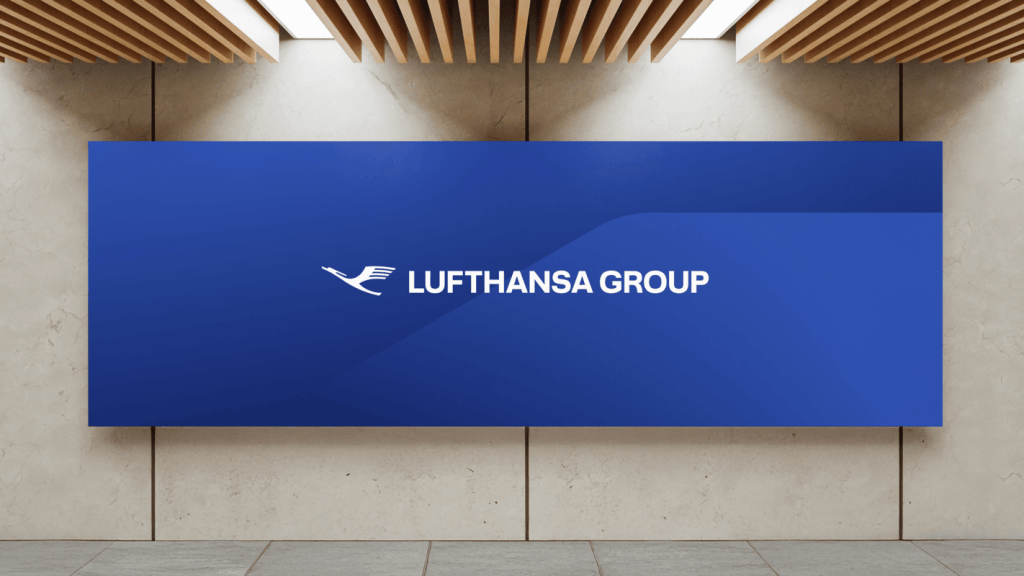
The article discusses Lufthansa Group’s recent rebranding effort, which resulted in a calm, neutral, and system-ready identity. While the updated branding is technically sound and suitable for internal reviews, accessibility audits, and global rollout plans, it lacks a distinctive or memorable impact. The article suggests that such rebranding efforts, while not failures, are symptomatic of a broader trend in the travel industry where companies are opting for conservative rebranding strategies over bold, innovative ones. This trend reflects a cautious approach in an industry that is rapidly evolving with technological advancements, changing consumer expectations, and competitive pressures.
Key Points:
- Lufthansa Group’s rebranding is characterized by a clean, neutral typeface and a subtly refined crane logo, designed to be system-ready and suitable for widespread application across various platforms.
- The rebranding is described as “calm, neutral, and system-ready,” indicating a focus on functionality and broad applicability rather than distinctiveness or innovation.
- The article suggests that such rebranding efforts are common in the travel industry, reflecting a broader trend of conservative rebranding strategies over bold, innovative ones.
- Despite its technical soundness, the rebrand is likely to be quickly forgotten by most travelers, suggesting a lack of memorable impact.
Actionable Takeaways:
-
Emphasize Brand Differentiation: Companies in the travel industry should consider rebranding efforts that not only meet functional requirements but also differentiate them in a crowded market. A unique and memorable brand identity can help companies stand out and create a lasting impression on consumers.
-
Balance Functionality and Innovation: While rebranding should be grounded in functionality and practicality, there is an opportunity to incorporate innovative elements that reflect the company’s values, vision, and commitment to innovation. This balance can help create a brand that is both practical and compelling.
-
Monitor Industry Trends: The travel industry is rapidly evolving with technological advancements and changing consumer expectations. Companies should stay informed about emerging trends and be prepared to adapt their branding strategies accordingly. This proactive approach can help companies remain competitive and relevant in the market.
Contextual Insights:
The article’s focus on Lufthansa Group’s rebranding reflects a broader trend in the travel industry where companies are opting for conservative rebranding strategies over bold, innovative ones. This trend is likely influenced by several factors, including the need for stability in an industry that is subject to rapid technological advancements and changing consumer expectations.
In recent years, the travel industry has witnessed significant shifts, including the rise of digital transformation, increased competition, and evolving consumer preferences. Companies that fail to adapt to these changes risk becoming obsolete. However, overly aggressive rebranding efforts can also be risky, as they may alienate existing customers and fail to resonate with new ones.
Therefore, the article suggests that companies should strike a balance between functionality and innovation in their rebranding efforts. By focusing on creating a brand identity that is both practical and compelling, companies can ensure that their rebranding efforts are effective and sustainable in the long term. This approach can help companies navigate the challenges of the modern travel industry and position themselves for success in the years to come.
Read the Complete Article.



