












Comprehensive Summarization:
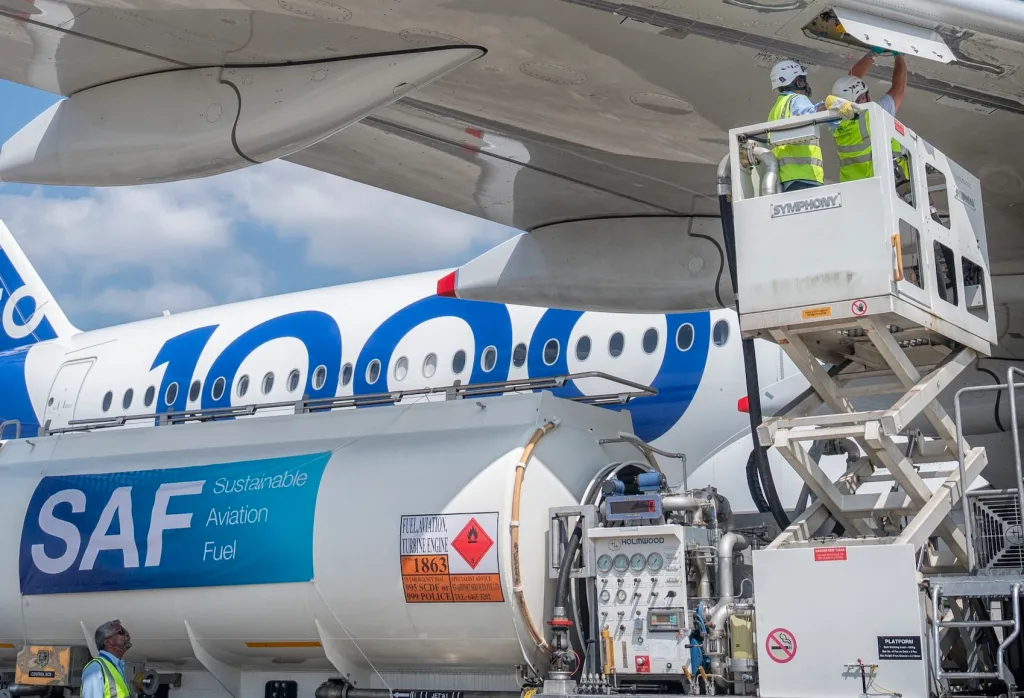
The article discusses Patrick Pouyanné, CEO of TotalEnergies, criticizing the airline industry for lobbying against sustainable aviation fuel (SAF) mandates in Europe. Pouyanné argues that biofuel is significantly more expensive than fossil fuels, which are the cheapest way to produce fuel. The EU mandates that planes at its airports must contain at least 2% SAF, a fuel alternative made from sources like plant oils and agricultural waste. This article provides insight into the ongoing debate between the oil industry and the push for greener aviation fuels, highlighting the economic challenges faced by airlines in adopting sustainable practices.
Key Points:
- Patrick Pouyanné, CEO of TotalEnergies, criticized the airline industry for lobbying against sustainable aviation fuel mandates.
- He argued that biofuel is two to three times more expensive than fossil fuels, which are the cheapest option for fuel production.
- The EU mandates that planes at its airports must contain at least 2% sustainable aviation fuel, made from sources such as plant oils and agricultural waste.
Actionable Takeaways:
-
Investment in Sustainable Fuel Alternatives: Airlines should explore and invest in more cost-effective sustainable aviation fuel alternatives to comply with EU mandates and reduce reliance on expensive biofuels. This is crucial for maintaining profitability while meeting environmental regulations.
-
Policy Advocacy and Collaboration: The airline industry should engage in policy advocacy to address the economic challenges posed by SAF mandates. Collaborating with governments and industry stakeholders can help develop more balanced and economically viable solutions for sustainable aviation fuel adoption.
Contextual Insights:
The article reflects the ongoing tension between the oil industry’s economic interests and the global push for sustainable aviation fuels. As Europe moves towards stricter environmental regulations, the airline industry faces significant challenges in balancing cost-efficiency with sustainability. This situation underscores the need for innovative solutions in fuel production and the importance of industry collaboration to navigate regulatory changes. Additionally, the article highlights the broader trend of travel tech and sustainability efforts within the travel industry, emphasizing the role of startups and fintech in driving forward-looking innovations.
Read the Complete Article.



