












Comprehensive Summarization:
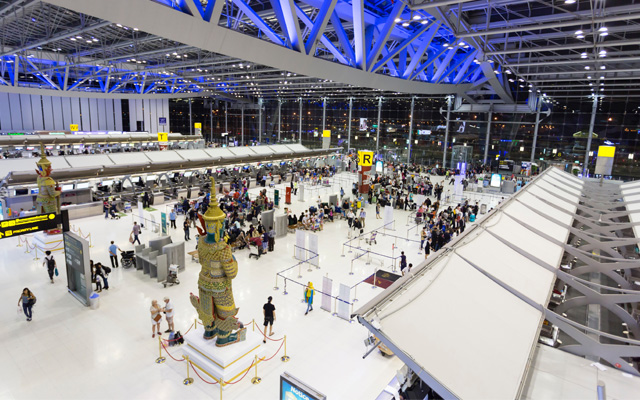
The article discusses the significant disruptions faced by Suvarnabhumi Airport in Bangkok, Thailand, due to missile strikes in parts of the Middle East between February 28 and March 1. The airport canceled 32 flights during this period, leading to the mobilization of additional staff and the setup of dedicated waiting areas to support stranded passengers. Despite these disruptions, tour operators and travel agents are working diligently to help guests manage their travel plans, with the impact on travel to and through the Middle East expected to be temporary. This situation highlights the resilience and adaptability of the travel industry in the face of unforeseen challenges.
Key Points:
- Suvarnabhumi Airport in Bangkok experienced significant disruptions between February 28 and March 1 due to missile strikes in the Middle East, resulting in the cancellation of 32 flights.
- The airport responded by mobilizing additional staff and setting up dedicated waiting areas to assist stranded passengers.
- Tour operators and travel agents are actively working to help guests navigate their travel plans amidst the evolving situation.
- The impact on travel to and through the Middle East is anticipated to be temporary.
Actionable Takeaways:
-
Enhanced Passenger Support Systems: The article underscores the importance of having robust passenger support systems in place during disruptions. Travel companies should invest in additional staff and facilities to manage stranded passengers effectively. This proactive approach can significantly enhance customer satisfaction and loyalty during unforeseen events.
-
Flexibility and Adaptability in Travel Planning: The ability of tour operators and travel agents to adapt to evolving updates and help guests manage their travel plans is crucial. Travel companies should foster a culture of flexibility and adaptability within their teams to swiftly respond to changing circumstances. This adaptability can lead to improved customer service and a competitive edge in the market.
Contextual Insights:
The disruptions at Suvarnabhumi Airport are a stark reminder of the vulnerabilities within the travel industry, particularly in regions prone to geopolitical tensions. The temporary nature of the impact on travel to and through the Middle East suggests that while the situation is serious, it is not likely to have long-term effects. This scenario highlights the need for the travel industry to continuously innovate and improve its crisis management strategies. Furthermore, the resilience demonstrated by airports and travel agencies in this situation could inspire further advancements in travel technology and service delivery. As the industry moves forward, integrating advanced technologies such as AI-driven customer support systems and real-time travel updates could enhance operational efficiency and customer experience, positioning travel companies for future challenges.
Read the Complete Article.



