












Comprehensive Summarization:
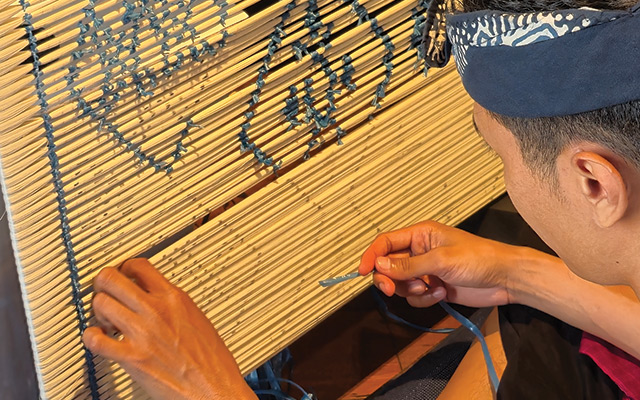
The article highlights the efforts of young entrepreneurs in Indonesia, specifically a social enterprise named Handep, in preserving local arts and culture through the sustainable practice of rattan weaving. Handep collaborates with 250 female artisans from five villages in Central Kalimantan, aiming to elevate the art of rattan weaving and support the local community. The founder and chief community officer, Aini Abdul, emphasizes the need to improve public perception of rattan, which has historically been undervalued despite its historical uses ranging from household tools to bridges. Rattan cultivation also aids in incentivizing the preservation of primary and secondary forests. The article underscores the importance of cultural preservation and sustainable entrepreneurship in the travel and tourism industry.
Key Points:
- Handep is a social enterprise working with 250 female artisans from five villages in Central Kalimantan to sustain the art of rattan weaving.
- The enterprise aims to improve the public perception of rattan, which is often undervalued.
- Rattan cultivation supports forest preservation, particularly primary and secondary forests.
- Aini Abdul, co-founder and chief community officer of Handep, is focused on enhancing the value and perception of rattan products.
Actionable Takeaways:
-
Promote Sustainable Tourism Products: Enterprises like Handep demonstrate the potential for sustainable tourism products to gain market value and public appreciation. Travel companies can explore similar initiatives to promote culturally significant and environmentally friendly products, enhancing their brand image and contributing to local economies.
-
Invest in Cultural Preservation Initiatives: There is a clear opportunity for travel startups and fintech companies to invest in initiatives that support cultural preservation. By funding or partnering with organizations that work with artisans and local communities, these companies can contribute to the sustainability of traditional arts and crafts, thereby fostering cultural tourism and economic development in local areas.
Contextual Understanding:
The article reflects current trends in the travel industry towards sustainability and cultural preservation. As travelers become more conscious of the environmental and cultural impacts of their journeys, there is a growing demand for authentic, sustainable experiences. The focus on rattan weaving not only supports artisans and their communities but also aligns with the broader movement towards eco-friendly tourism. This approach can inspire other travel startups to develop products and services that emphasize cultural heritage and environmental stewardship, potentially leading to new business models and revenue streams in the travel sector. Furthermore, the article underscores the importance of education and perception management in marketing culturally significant products, a strategy that can be applied to various travel and tourism offerings.
Handling Different Article Types:
The article is a feature piece, providing an in-depth look at a specific initiative within the travel and cultural preservation sector. The structured approach used here—summarizing the main theme, extracting key points, and offering actionable insights—can be adapted to other types of articles within the travel industry. For news blurbs, the focus would be on factual reporting; for opinion pieces, the emphasis would be on analyzing the presented viewpoints; and for feature articles, the depth of analysis would increase, incorporating expert opinions and broader industry implications. In all cases, adherence to the facts and context provided in the article is paramount to ensure accuracy and relevance.
Read the Complete Article.



