












Comprehensive Summarization:
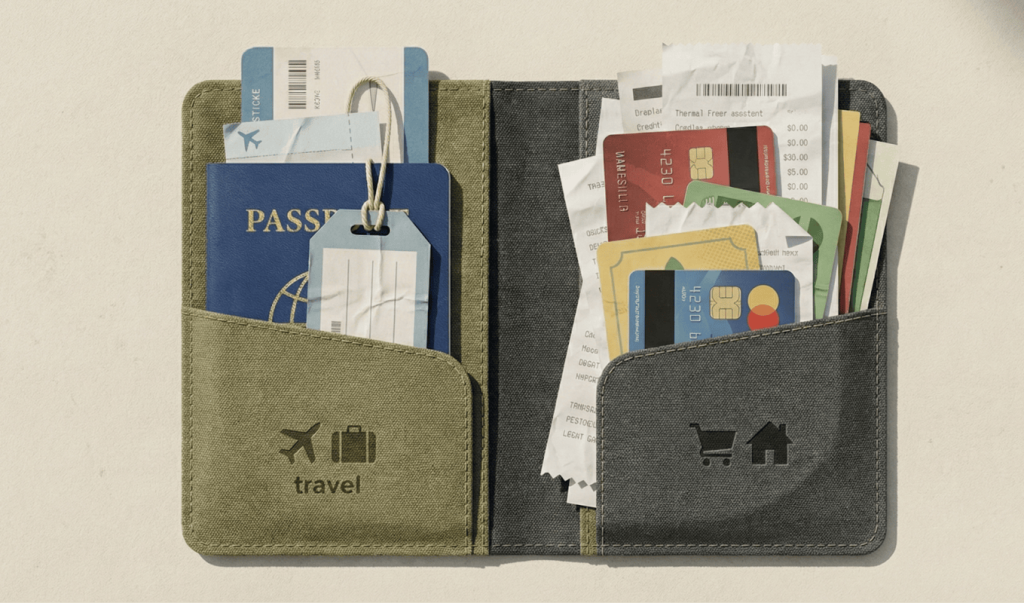
The article discusses the evolving narrative around the U.S. travel industry in 2026, emphasizing the shift from resilience to a growing concern over travel losing wallet share. According to data from Citizens Bank’s December credit-card tracker, travel’s share of consumer wallets has declined from 12% in January 2024 to 8% by December 2025. This trend is corroborated by three independent signals from U.S. credit card issuers, indicating a significant pressure on the travel sector. Despite robust demand and full planes, the data suggests a notable reduction in consumer spending on travel, signaling a potential shift in consumer preferences and spending habits.
Key Points:
- Travel’s share of consumer wallets has decreased from 12% in January 2024 to 8% by December 2025, according to Citizens Bank’s credit-card tracker.
- This decline is corroborated by three independent signals from U.S. credit card issuers, indicating a loss of wallet share in the travel sector.
- Despite full planes and robust demand, the data suggests that travel is losing its share of consumer spending, highlighting a potential shift in consumer preferences.
Actionable Takeaways:
-
Shift in Consumer Spending Patterns: The decline in travel’s share of consumer wallets suggests a significant shift in consumer spending patterns. Travel providers and fintech companies should focus on enhancing the value proposition for travelers, such as offering exclusive benefits, flexible booking options, and seamless payment solutions to retain wallet share.
-
Need for Enhanced Customer Engagement: With travel losing its share of consumer spending, there is a pressing need for enhanced customer engagement strategies. This could include personalized travel experiences, loyalty programs, and leveraging data analytics to understand and predict consumer behavior, thereby improving customer retention and satisfaction.
-
Innovation in Payment Solutions: The data convergence signals a potential opportunity for innovation in payment solutions within the travel industry. Developing secure, efficient, and user-friendly payment options could help retain consumers and encourage spending, especially as traditional wallet share diminishes.
Contextual Insights:
The article’s context is rooted in the ongoing recovery and resilience of the U.S. travel industry, despite challenges. The decline in travel’s share of consumer wallets, as indicated by Citizens Bank’s data, reflects broader trends in consumer spending, where travelers may be reallocating their budgets towards other discretionary expenditures. This shift is further supported by independent signals from credit card issuers, suggesting a systemic change rather than a temporary fluctuation. For the travel industry, this context underscores the importance of adapting to evolving consumer preferences and leveraging technology to enhance the travel experience. The insights from thought leaders highlight the need for innovation in payment solutions and customer engagement strategies to mitigate the impact of this shift and maintain a strong presence in the market.
Read the Complete Article.



