












Article Summary:
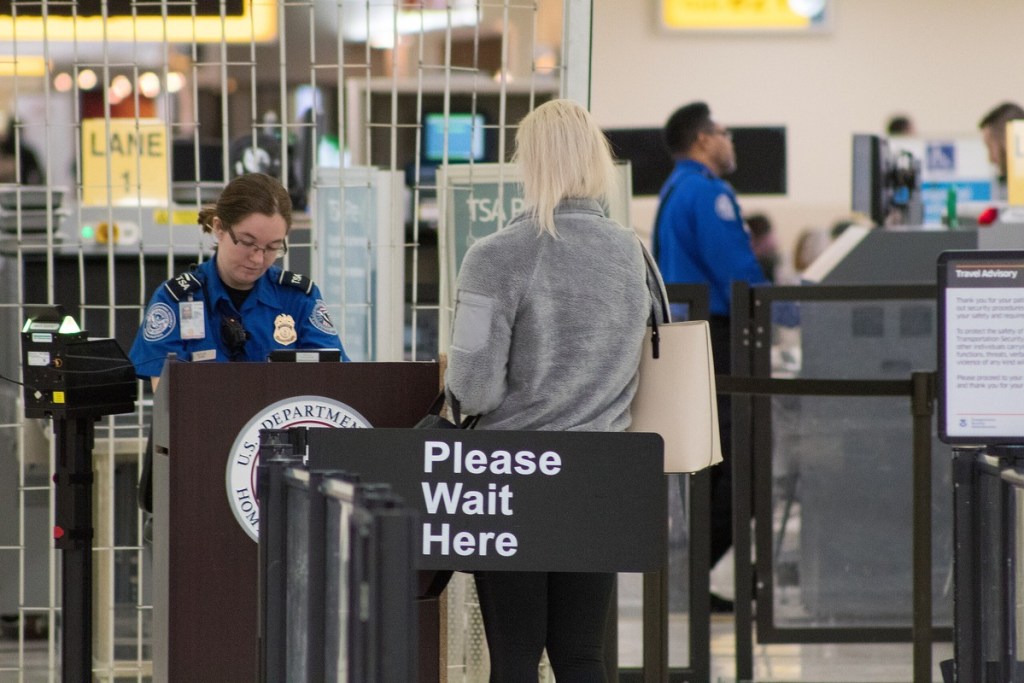
The Transportation Security Administration (TSA) announced that starting February 1, travelers who do not possess a Real ID or passport will be required to pay a $45 fee to pass TSA checkpoints. This fee covers the cost of technology and administration for identity verification and grants access for up to 10 days. The new fee is significantly higher than the previously proposed $18, reflecting the need for system modernization.
Key Points:
- Starting February 1, travelers without a Real ID or passport will need to pay a $45 fee to pass TSA checkpoints.
- The fee covers the cost of technology and administration for identity verification and grants access for up to 10 days.
- This new fee is significantly higher than the previously proposed $18, reflecting the need for system modernization.
Actionable Takeaways:
-
Fee Implementation Impact: The introduction of a $45 fee for travelers without a Real ID or passport is a significant change that will impact both travelers and the TSA’s operational costs. This fee is designed to fund the necessary technology and administration for identity verification, ensuring a secure travel process. The higher fee reflects the need for system modernization, indicating a commitment to enhancing security measures.
-
Security and Accessibility Balance: The requirement for a Real ID or passport to bypass the fee highlights TSA’s focus on enhancing security while also considering the practicality for travelers. This balance is crucial in maintaining high security standards without unduly burdening travelers, especially those who may not have a Real ID or passport readily available.
Contextual Insights:
The TSA’s decision to implement a fee for travelers without a Real ID or passport is a strategic move to modernize the security checkpoint process. This change aligns with broader industry trends towards enhanced security measures and the adoption of advanced technologies in travel. As the travel industry continues to evolve, such innovations are essential to address security concerns while accommodating the diverse needs of travelers. The higher fee underscores the importance of investing in technology and administrative processes to ensure a seamless and secure travel experience. This move also reflects the growing emphasis on identity verification technologies in the travel sector, which are becoming increasingly critical in the post-pandemic era.
Read the Complete Article.




