












Article Summary:
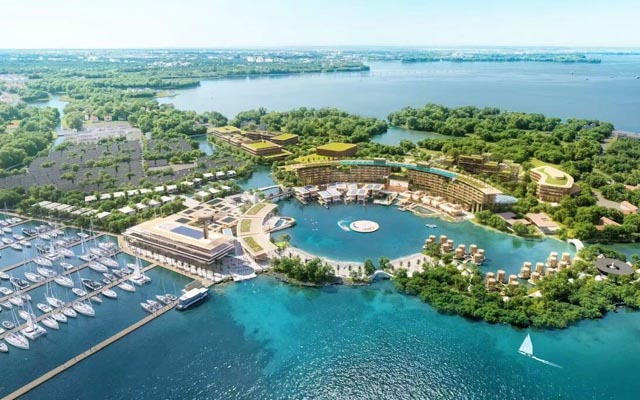
TUI Group is expanding its international hotel portfolio in Asia by introducing the first Robinson club resort in China and signing another TUI Blue hotel. This move strengthens TUI’s presence in one of the world’s most active travel markets. Additionally, TUI Hotels & Resorts is preparing to debut the TUI Blue brand in Japan and the TUI Suneo brand in Vietnam. The company currently operates 24 hotels in China and South-east Asia, with 29 more properties scheduled to open in the coming years. The first Robinson club resort in China will be developed at Meifan Sailing Port in the Yangtze River Delta Green.
Key Points:
- TUI Group is expanding its hotel portfolio in Asia, introducing a Robinson club resort in China and signing another TUI Blue hotel.
- TUI Hotels & Resorts is preparing to launch the TUI Blue brand in Japan and the TUI Suneo brand in Vietnam.
- TUI currently operates 24 hotels in China and South-east Asia, with plans to open 29 more properties in the coming years.
- The first Robinson club resort in China will be developed at Meifan Sailing Port in the Yangtze River Delta Green.
Actionable Takeaways:
- Market Expansion in Asia: TUI’s strategic expansion into Asia, particularly in China, signals a growing trend of international hotel chains entering emerging markets. This move could lead to increased competition among hotel brands in the region, driving innovation in hospitality services and potentially benefiting travelers with more diverse options.
- Brand Diversification: The introduction of new brands like TUI Blue in Japan and TUI Suneo in Vietnam highlights the importance of brand diversification in the travel industry. This strategy allows companies to tap into new markets and cater to specific regional preferences, potentially increasing market share and customer loyalty.
- Focus on Emerging Markets: The development of the Robinson club resort in China underscores the importance of emerging markets in the travel industry. As these markets continue to grow, companies that invest in localized offerings and infrastructure are likely to gain a competitive edge, driving further investment and innovation in the sector.
Contextual Insights:
The article reflects the ongoing trend of international hotel chains expanding into Asia, a region that continues to present significant growth opportunities due to its large and increasingly affluent population. TUI’s strategic moves align with broader industry trends towards diversification and localization, as companies seek to meet the unique preferences of travelers in different markets. The focus on emerging markets like China also highlights the importance of understanding local cultural nuances and consumer behavior, which is crucial for successful market entry and sustained growth. Furthermore, the introduction of new brand concepts like TUI Blue and TUI Suneo demonstrates the industry’s shift towards more specialized and targeted offerings, catering to niche segments within the broader travel market. This approach not only helps in capturing specific market segments but also fosters innovation in service delivery and customer experience.
Read the Complete Article.



