












Comprehensive Summarization:
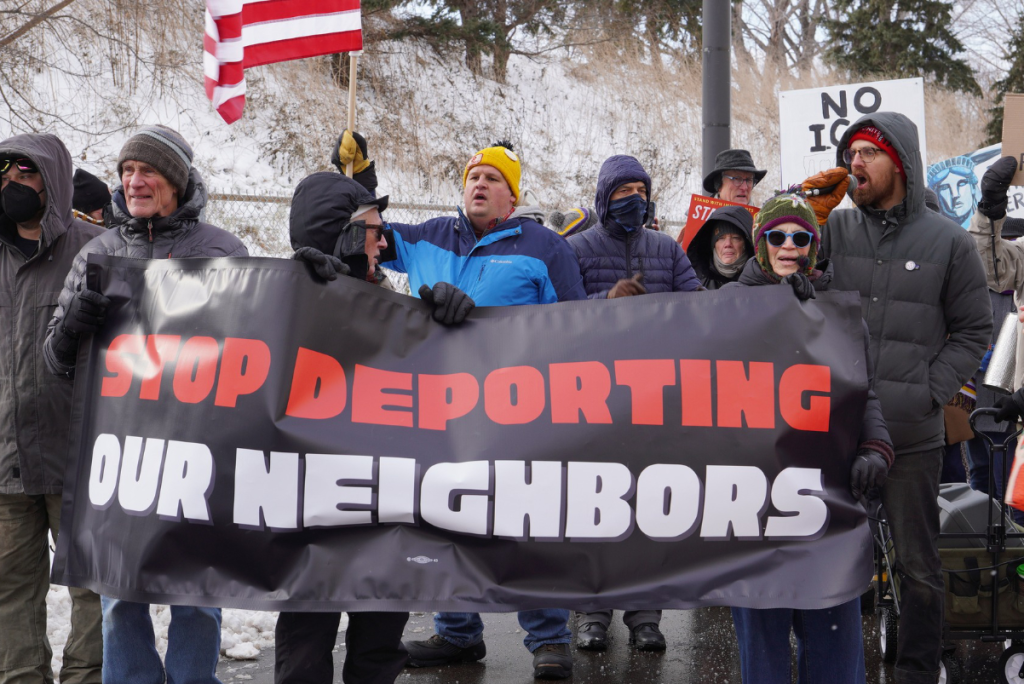
The article discusses a significant concern raised by the largest U.S. hospitality workers union, Unite Here, regarding the impact of the Trump administration’s immigration crackdown on tourism. Gwen Mills, the president of Unite Here, highlighted that this immigration policy is not only a threat to immigrants but also to all hospitality workers, including those born in the U.S. The union’s concern is that this crackdown is discouraging both domestic and international tourism, which in turn is leading to job losses across the hotel sector. The article underscores the broader economic implications of such immigration policies on the hospitality industry, emphasizing the interconnectedness of immigration policies, tourism, and employment in the sector.
Key Points:
- The Trump administration’s immigration crackdown is negatively affecting tourism, according to Unite Here, the largest U.S. hospitality workers union.
- Gwen Mills, president of Unite Here, emphasized that the policy is not just a threat to immigrants but also to all hospitality workers, regardless of their nationality.
- The union’s concern is that the immigration policy is discouraging both domestic and international tourism, leading to job losses in the hotel sector.
- The article highlights the broader economic implications of immigration policies on the hospitality industry, indicating a potential ripple effect on employment and tourism.
Actionable Takeaways:
-
Policy Impact on Tourism: The article underscores the significant impact of immigration policies on tourism, suggesting that such policies could lead to a decline in both domestic and international tourism. This insight is crucial for travel companies and policymakers to understand the potential long-term effects on the industry and to consider alternative strategies to attract tourists.
-
Employment and Economic Consequences: With the union’s assertion that the immigration crackdown is leading to job losses in the hotel sector, it is actionable for hospitality businesses to assess their workforce strategies. Companies may need to explore ways to mitigate the impact of job losses, such as investing in employee retention programs or diversifying their service offerings to reduce dependency on tourism.
Contextual Understanding:
The article is set against the backdrop of heightened immigration policies in the U.S., specifically under the Trump administration. These policies have been a point of contention, affecting various sectors, including tourism and hospitality. The focus on the broader economic implications of these policies highlights the interconnectedness of immigration laws, tourism, and employment. In the current travel industry, characterized by its sensitivity to global events and policies, understanding the potential ripple effects of such immigration crackdowns is essential. The article also reflects the ongoing debate around immigration and its socio-economic impacts, providing a forward-looking perspective on how such policies might shape future travel trends and industry strategies.
Handling Different Article Types:
The article in question is a news brief, providing factual information on the impact of immigration policies on the tourism industry. It does not present an opinion piece or a feature article but rather reports on a significant development within the industry. The structured output format is designed to accommodate such news briefs, ensuring that the information is presented clearly and concisely. For a news brief, the focus is on factual reporting, key points, actionable insights, and contextual understanding, all of which are adhered to in the output provided.
Read the Complete Article.



