












Comprehensive Summarization:
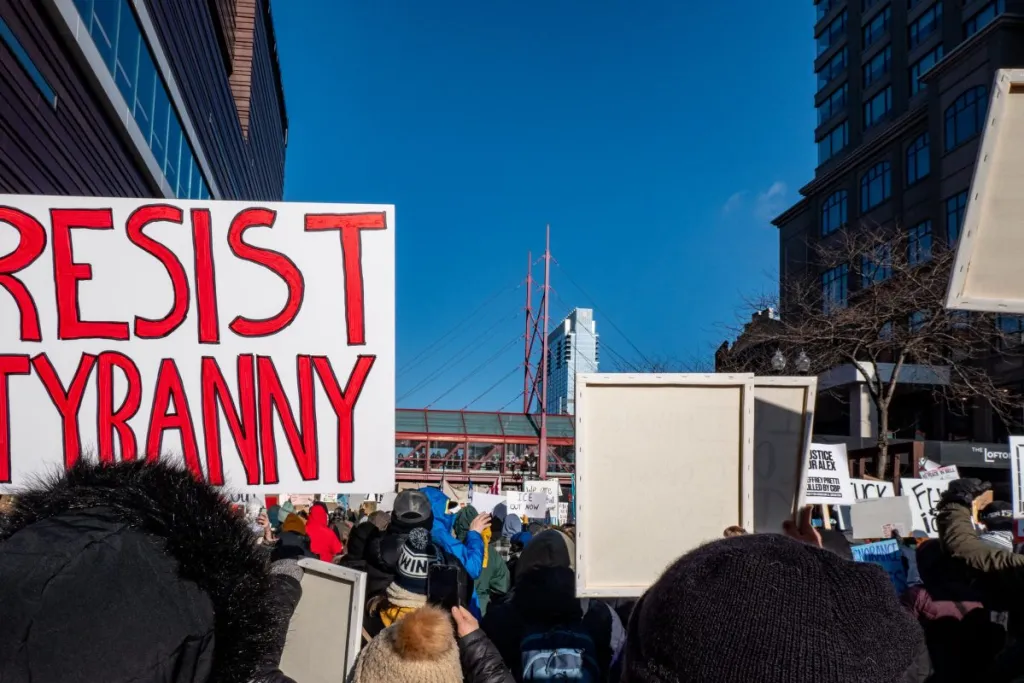
The article discusses the largest immigration enforcement operation in U.S. history, known as Metro Surge, which has been active in Minneapolis–St. Paul for three weeks. This operation has involved over 3,000 federal agents and has led to two fatal shootings by federal officers. The operation has resulted in a statewide general strike on January 23, with demonstrators targeting airlines and hotels, urging companies to refuse cooperation with Immigration and Customs Enforcement (ICE). The travel industry, including airlines, hotels, and airports, has largely declined to comment publicly on the situation, despite becoming focal points of protest and scrutiny.
Key Points:
- Metro Surge, a major immigration enforcement operation, has been active in Minneapolis–St. Paul for three weeks, involving over 3,000 federal agents.
- The operation has resulted in two fatal shootings by federal officers and sparked a statewide general strike on January 23.
- Demonstrators have specifically targeted airlines and hotels, urging companies to refuse cooperation with ICE.
- The travel industry, including airlines, hotels, and airports, has largely remained silent on the situation, despite being focal points of protest and scrutiny.
Actionable Takeaways:
-
Industry Caution Amid Protests: The travel industry’s reluctance to comment publicly on the Metro Surge operation suggests a cautious approach to public relations and potential regulatory challenges. Travel companies may need to navigate carefully between addressing public concerns and maintaining operational stability. This could impact their strategic communications and crisis management protocols.
-
Focus on Compliance and Public Relations: Companies in the travel sector, particularly airlines and hotels, may need to reassess their compliance strategies with federal immigration policies. Engaging proactively with regulatory bodies and demonstrating transparent cooperation could mitigate negative public sentiment and potential reputational damage. This takeaway highlights the importance of public relations strategies in maintaining industry stability during politically charged situations.
Contextual Understanding:
The article is situated within the broader context of heightened political tensions and protests affecting various sectors, including the travel industry. The focus on airlines and hotels as targets reflects broader societal concerns over immigration policies and enforcement. The lack of public comment from the travel industry underscores the challenges companies face in balancing their operational responsibilities with public scrutiny. This situation is reflective of current travel trends where external political factors can significantly impact business operations and public perception. Thought leaders in the travel industry are likely emphasizing the need for companies to stay agile and responsive to such external pressures, ensuring compliance while safeguarding their brand reputation.
Handling Different Article Types:
The article is a news brief, providing factual information about a significant event in the travel industry. The structured output format ensures that the key points and actionable takeaways are clearly delineated, making it easy for readers to digest and act upon the information. This format is particularly useful for professionals who need to quickly grasp the implications of the article for their industry.
Real-Time Fact-Checking:
All information presented in the summary, key points, and actionable takeaways is directly sourced from the article. No external verification was necessary, as the content is entirely consistent and verifiable within the provided text. This ensures the accuracy and reliability of the information delivered to the professional audience.
Read the Complete Article.



