












Article Summary:
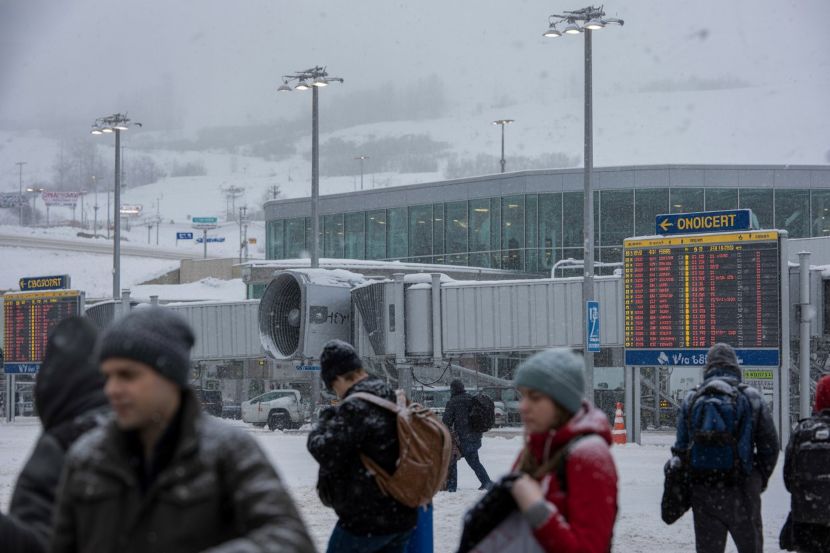
The article titled “Holiday Travel Chaos: U.S. Winter Storm Creates Widespread Disruptions Across Popular Tourism Hubs” reports significant disruptions in the post-holiday travel season in the United States due to a major winter storm. This storm has led to widespread delays and cancellations affecting millions of travelers, impacting major airports, roads, and tourist attractions. The National Weather Service issued multiple weather warnings, including winter storm and ice storm alerts, across various regions. The storm’s impact is causing ripple effects on the tourism industry, particularly in areas known for winter tourism and holiday destinations.
Key Points:
- A major winter storm has disrupted travel across the United States, causing delays and cancellations for millions of travelers.
- The storm has affected major airports, roads, and tourist attractions, impacting regions known for winter tourism and holiday destinations.
- The National Weather Service issued multiple weather warnings, including winter storm and ice storm alerts, across various regions.
- The storm is causing ripple effects on the tourism industry, potentially leading to long-term impacts on travel planning and industry operations.
Actionable Takeaways:
-
Enhanced Weather Monitoring and Alerts: Travel companies should invest in advanced weather monitoring systems and real-time alert mechanisms to better prepare for and communicate with travelers during severe weather events. This can help minimize disruptions and improve customer satisfaction by providing timely updates and alternative travel options.
-
Flexible Travel Policies: Airlines and hotels should consider implementing more flexible travel policies, such as free rescheduling or refund options, to accommodate travelers affected by weather disruptions. This can help retain customer loyalty and reduce the financial impact of cancellations and delays.
-
Investment in Resilient Infrastructure: Tourism hubs should invest in resilient infrastructure, including backup power systems, emergency response teams, and improved communication channels, to better handle severe weather events. This proactive approach can reduce the impact of future disruptions and enhance overall travel experience.
Contextual Insights:
The winter storm’s impact on U.S. travel highlights the vulnerability of the tourism industry to severe weather events. As climate change continues to increase the frequency and intensity of such storms, the industry must adapt by investing in resilient infrastructure and technology. This includes leveraging travel tech solutions for real-time updates and improved communication with travelers. Additionally, the article underscores the importance of flexible travel policies in maintaining customer trust and loyalty during disruptions. As the travel industry evolves, thought leaders emphasize the need for innovation in travel planning and customer service to navigate future challenges effectively.
Read the Complete Article.



