












Comprehensive Summarization:
The article reports that the General Civil Aviation Authority (GCAA) of the United Arab Emirates (UAE) has implemented measures to manage disrupted passenger traffic following the US and Israel war on Iran. This has led to airspace closures in the Middle East, particularly affecting popular transit hubs in Dubai and Abu Dhabi. Dubai International Airport, identified as the busiest airport in the UAE with over 46,000 connections worldwide according to OAG’s 2025 Megahubs report, has been significantly impacted. The closures have disrupted passenger traffic, highlighting the vulnerability of major transit hubs in the region to geopolitical tensions.
Key Points:
- The GCAA has activated measures to manage disrupted passenger traffic due to airspace closures in the Middle East following the US and Israel war on Iran.
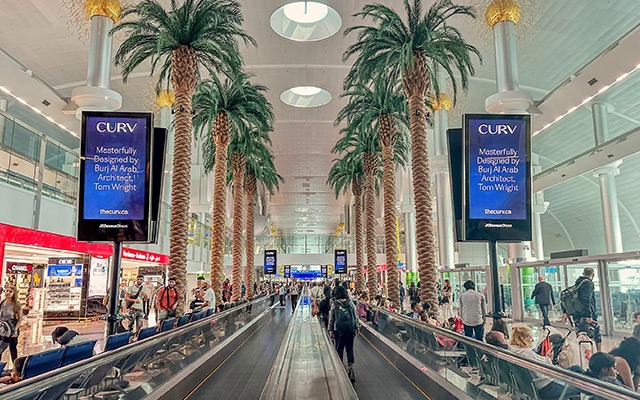
- Dubai International Airport, the busiest airport in the UAE, has been significantly affected by the airspace closures.
- Dubai International Airport operates more than 46,000 connections to 280 destinations worldwide, ranking 15th among the world’s Top 50 Global Airport Megahubs.
- The closures have disrupted passenger traffic, underscoring the vulnerability of major transit hubs in the region to geopolitical tensions.
Actionable Takeaways:
-
Risk Management in Travel Operations: Airlines and travel agencies operating in the Middle East should develop contingency plans for airspace closures and geopolitical tensions. This includes diversifying routes, enhancing communication with passengers, and collaborating with local authorities to ensure operational continuity.
-
Investment in Resilient Infrastructure: The article highlights the importance of Dubai International Airport’s role as a major transit hub. Investors and stakeholders in the travel industry should consider the resilience of airport infrastructure, particularly in regions prone to geopolitical instability. Investments in technology and operational flexibility can enhance resilience against disruptions.
Contextual Insights:
The recent airspace closures in the Middle East, triggered by geopolitical tensions, underscore the interconnectedness of global travel networks with international politics. This event highlights the need for travel companies to adopt a proactive approach to risk management, particularly in regions where political stability is a concern. The reliance on major hubs like Dubai International Airport also emphasizes the importance of these airports in global travel logistics. As geopolitical tensions continue to evolve, the travel industry must remain agile, leveraging technology and strategic partnerships to mitigate risks and ensure seamless travel experiences for passengers. The insights from this article align with current industry trends, where startups and fintech innovations are increasingly focusing on enhancing operational resilience and passenger experience through advanced technologies.
Read the Complete Article.



