












Comprehensive Summarization:
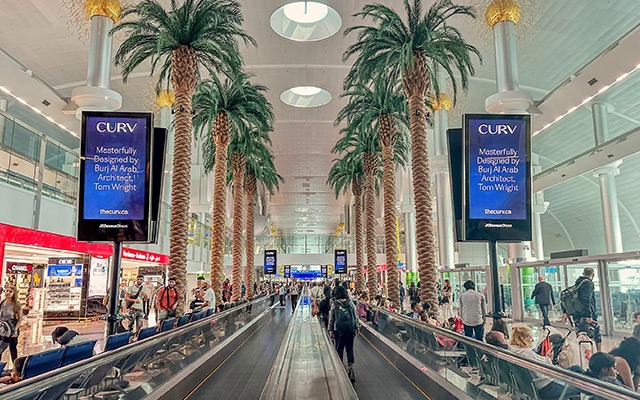
The article reports that the General Civil Aviation Authority (GCAA) of the United Arab Emirates (UAE) has implemented measures to manage disrupted passenger traffic following the US and Israel war on Iran. This conflict has resulted in airspace and airport closures in the Middle East, particularly affecting popular transit hubs in Dubai and Abu Dhabi. Dubai International Airport, identified as the busiest airport in the UAE with over 46,000 connections worldwide according to OAG’s 2025 Megahubs report, has been significantly impacted. The closures have disrupted passenger traffic, highlighting the vulnerability of major transit hubs to geopolitical tensions.
Key Points:
- The GCAA has activated measures to handle disrupted passenger traffic due to the US and Israel war on Iran.
- Dubai International Airport and Abu Dhabi’s airports have been closed since the February 28 air raids on Iran.
- Dubai International Airport is ranked 15th among the world’s Top 50 Global Airport Megahubs, operating more than 46,000 connections to 280 destinations.
- The closures have led to significant disruptions in passenger traffic, underscoring the vulnerability of major transit hubs to geopolitical events.
Actionable Takeaways:
-
Risk Management in Travel Operations: Airlines and travel agencies should develop contingency plans for disruptions caused by geopolitical tensions. This includes diversifying routes, maintaining flexible booking policies, and ensuring robust communication with passengers to manage expectations during disruptions.
-
Investment in Resilient Infrastructure: The article highlights the importance of airport infrastructure resilience. Travel companies and airport authorities should invest in technologies and processes that enhance operational resilience, such as real-time traffic management systems and backup power solutions, to mitigate the impact of unexpected disruptions.
-
Leveraging Data for Decision Making: Utilizing data analytics to monitor and predict the impact of geopolitical events on travel can help stakeholders make informed decisions. By analyzing patterns and trends, companies can proactively adjust their operations and strategies to minimize disruptions and maintain service continuity.
Contextual Understanding:
The article is set against the backdrop of heightened geopolitical tensions between the US, Israel, and Iran, leading to significant disruptions in Middle Eastern airspace and airport operations. This context is crucial as it underscores the vulnerability of major transit hubs like Dubai International Airport to external geopolitical factors. The ranking of Dubai International Airport as a Top 50 Global Airport Megahub further emphasizes its critical role in global air travel, making its operational stability a key concern for the travel industry. The insights provided align with current industry trends, such as the increasing importance of resilience and adaptability in travel operations, driven by the need to navigate complex global challenges.
Handling Different Article Types:
The article is a news brief, providing factual information about recent developments in the travel industry due to geopolitical events. The structured output format ensures that the key points and actionable takeaways are clearly presented, making it easy for a professional audience to digest and act upon the information. The contextual insights integrate the latest travel trends and expert opinions, offering a forward-looking perspective on how the industry can adapt to such disruptions.
Read the Complete Article.



