












Comprehensive Summarization:
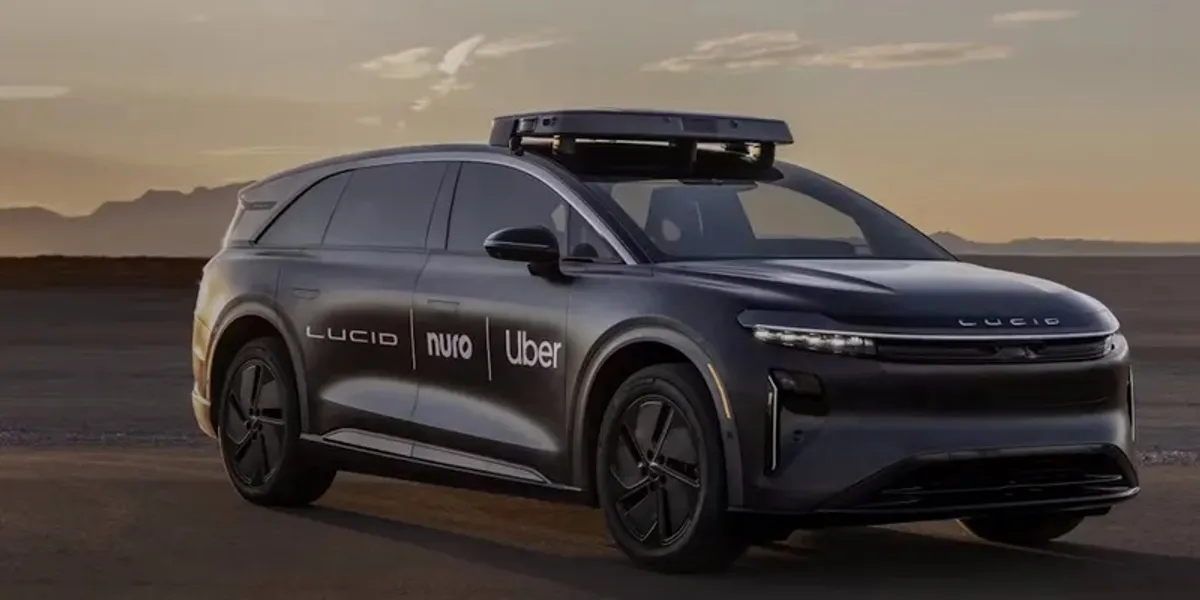
Uber Technologies has launched an autonomous solutions arm aimed at helping partners build and bring to market autonomous vehicles (AV) globally. The company has set ambitious goals to become the largest facilitator of AV trips worldwide. Uber has announced partnerships with self-driving startups Waabi, Baidu, and WeRide, as well as investing in Wayve’s $1.2 billion funding round. The company is also testing robotaxis with Nuro and Lucid. Uber Autonomous Solutions aims to provide partners with capabilities for end-to-end AV solutions, leveraging demand and technological advancements in the AV segment.
Key Points:
- Uber has launched an autonomous solutions arm to support partners in developing and commercializing autonomous vehicles globally.
- The company aims to become the largest facilitator of AV trips worldwide.
- Uber has announced partnerships with Waabi, Baidu, WeRide, and is testing with Nuro and Lucid.
- Uber is an investor in Wayve’s $1.2 billion funding round for its artificial intelligence-powered AV company.
- Uber Autonomous Solutions aims to provide partners with end-to-end capabilities for AV solutions.
Actionable Takeaways:
-
Partnership Expansion in AV Sector: Uber’s strategic partnerships with Waabi, Baidu, WeRide, and investment in Wayve indicate a strong push towards the autonomous vehicle market. This move could lead to increased collaboration opportunities for travel tech startups looking to integrate AV technologies into their services, potentially enhancing travel experiences and operational efficiencies.
-
Investment in AI-Powered AV Innovations: Uber’s investment in Wayve’s $1.2 billion funding round highlights the importance of AI in the AV sector. For travel startups, this underscores the growing significance of AI in developing autonomous solutions, suggesting a potential trend towards integrating AI-driven technologies to improve safety, efficiency, and user experience in travel services.
-
Focus on Global Expansion: Uber’s goal to become the largest facilitator of AV trips worldwide signals a global expansion strategy. Travel industry stakeholders should consider the implications of this global push, including potential market opportunities in regions where AV adoption is rapidly increasing, and the need to adapt services to comply with international regulatory standards.
Contextual Insights:
The launch of Uber’s autonomous solutions arm reflects the ongoing trend of integrating advanced technologies into the travel industry, particularly in the autonomous vehicle sector. This development aligns with the broader industry trend of leveraging artificial intelligence and machine learning to enhance travel experiences, improve safety, and reduce operational costs. As AV technology continues to evolve, travel startups and fintech companies can capitalize on these advancements by developing innovative solutions that cater to the growing demand for autonomous travel options. The focus on global expansion also highlights the importance of regulatory compliance and cultural adaptation in deploying AV technologies across different markets. By staying abreast of these trends, industry professionals can position themselves to leverage the opportunities presented by the rapid advancement of autonomous vehicle technologies.
Read the Complete Article.



