












Article Summary:
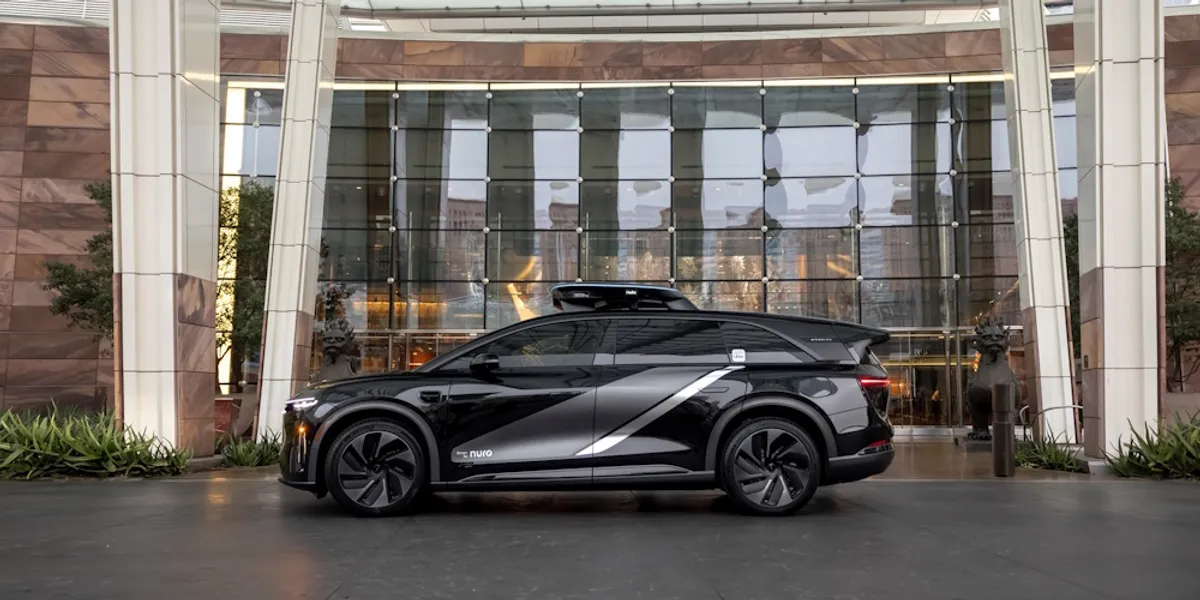
Nuro, Lucid, and Uber have confirmed that on-road testing of their robotaxi engineering prototypes began last month. The robotaxi engineering prototypes are overseen by autonomous vehicle operators, with commercial service expected to launch in the San Francisco Bay Area later in 2026. At the 2026 Consumer Electronics Show, the companies showcased the in-cabin experience for riders, including in-vehicle visualization, LEDs for vehicle identification, and real-time path display. The robotaxis will feature LEDs to help riders identify the right vehicles and provide status updates.
Key Points:
- Nuro, Lucid, and Uber have started on-road testing of robotaxi engineering prototypes.
- The robotaxi prototypes will be overseen by autonomous vehicle operators.
- Commercial service is expected to launch in the San Francisco Bay Area later in 2026.
- The robotaxis will feature in-vehicle visualization, LEDs for vehicle identification, and real-time path display.
- The announcement was made at the 2026 Consumer Electronics Show, showcasing the in-cabin experience for riders.
Actionable Takeaways:
- Robotaxi Testing and Commercial Launch: The initiation of on-road testing by Nuro, Lucid, and Uber signifies a significant step forward in autonomous vehicle technology. This development suggests a potential shift in the travel industry towards more automated and efficient transportation solutions. The expected commercial launch in the San Francisco Bay Area by 2026 indicates a forward-looking approach, aligning with the global trend of integrating advanced technologies into everyday services. This could lead to reduced traffic congestion, lower emissions, and increased accessibility to transportation, particularly in urban areas.
- Innovative In-Cabin Experience: The inclusion of in-vehicle visualization, LEDs for vehicle identification, and real-time path display enhances the rider’s experience by providing transparency and ease of use. These features are particularly relevant in the context of increasing consumer demand for safety and convenience in transportation. For travel startups and fintech innovations, this could open avenues for partnerships or collaborations, leveraging technology to enhance user experience and operational efficiency in the travel sector.
Contextual Insights:
The development of robotaxi technology by Nuro, Lucid, and Uber is a clear reflection of the ongoing advancements in autonomous vehicle technology. This aligns with the broader trend of integrating artificial intelligence and machine learning into various sectors, including travel and logistics. The focus on in-cabin experience and real-time data display underscores the importance of user-centric design in autonomous vehicles, a trend that is likely to influence future travel trends. As these technologies mature, they could potentially disrupt traditional taxi services and ride-sharing platforms, prompting a reevaluation of business models in the travel industry. Furthermore, the timing of this announcement at the 2026 Consumer Electronics Show highlights the industry’s commitment to showcasing cutting-edge innovations, setting the stage for future developments in autonomous transportation. This context suggests that the travel industry is poised for significant transformation, with potential implications for travel startups and fintech innovations aimed at enhancing the travel experience through technology.
Read the Complete Article.



