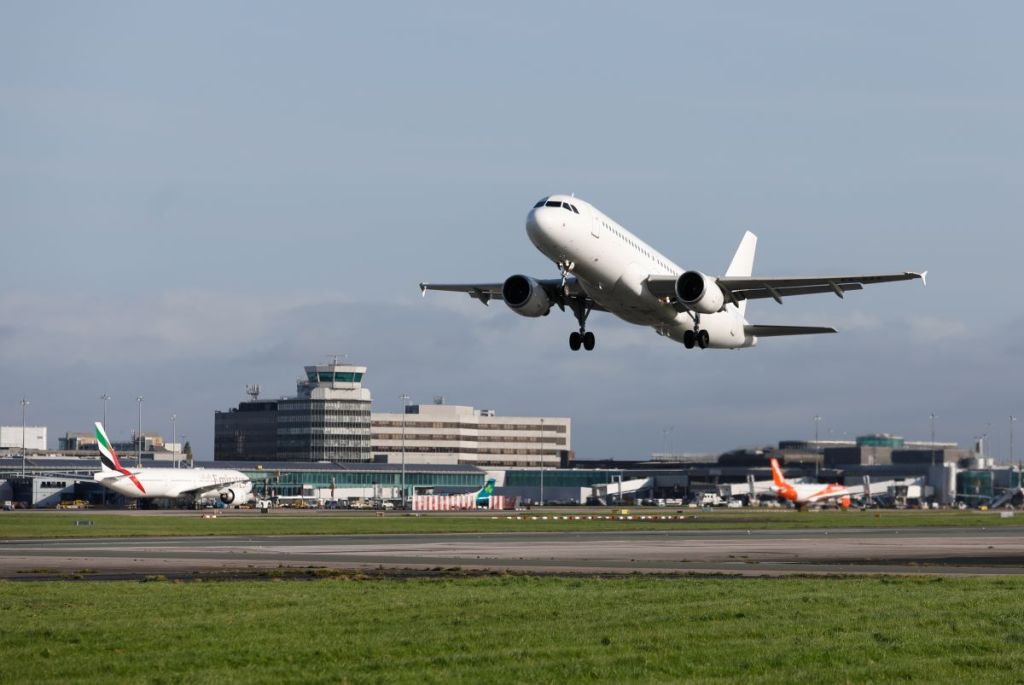
UK airports hide huge traffic shift in records
THE NEWS: UK airports handled more than 81 million passengers in the second quarter (April‑June), an increase of almost 123,000 passengers...
Read moreDetails
Uber eyes 'multitrillion-dollar opportunity' in AVs
Comprehensive Summarization:
Uber Technologies has announced its ambition to become the largest facilitator of autonomous vehicle (AV) trips globally, as outlined in its fourth quarter and full-year 2025 earnings report. CEO Dara Khosrowshahi expressed confidence in the company’s path to achieving this goal, emphasizing AVs’ potential to unlock a multitrillion-dollar opportunity for Uber. The company has also highlighted its strategic advantages, including global scale, deep demand density, sophisticated marketplace technology, and decades of experience in matching riders, drivers, and vehicles in real time. Uber has further detailed a series of partnerships with AV companies, signaling a significant push into the autonomous vehicle sector.
Key Points:
Actionable Takeaways:
Investment in Autonomous Vehicles: Uber’s strategic focus on AVs presents a significant opportunity for investors and stakeholders in the travel tech sector. The company’s ambition to become a leader in this space underscores the growing importance of autonomous technology in the travel industry. This trend could lead to increased investment in AV startups and innovations, potentially reshaping the future of transportation and travel logistics.
Partnerships and Collaborations: Uber’s announcement of partnerships with AV companies highlights the importance of collaboration in the development and deployment of autonomous vehicle technology. For startups and established players in the travel industry, forming strategic alliances with AV companies could accelerate innovation and market entry. This trend suggests a collaborative future where travel tech companies leverage AV technology to enhance service offerings and operational efficiency.
Contextual Insights:
The announcement by Uber Technologies reflects the broader industry trend towards integrating autonomous vehicle technology into the travel sector. As AVs become more prevalent, they are expected to transform various aspects of travel, from ride-sharing and public transportation to logistics and tourism. The focus on AVs aligns with the current travel industry’s push towards efficiency, safety, and sustainability. Thought leaders predict that the widespread adoption of AVs will lead to reduced congestion, lower emissions, and improved accessibility, particularly in urban areas. For travel startups and fintech innovators, this presents an opportunity to develop solutions that enhance the AV ecosystem, such as payment systems, route optimization tools, and customer experience platforms. By aligning with Uber’s strategic direction, these entities can position themselves at the forefront of the next wave of travel technology advancements.
Read the Complete Article.
THE NEWS: UK airports handled more than 81 million passengers in the second quarter (April‑June), an increase of almost 123,000 passengers...
Read moreDetails

Experience the magic of the Nile aboard Kenzy Dahabeya, a luxury boutique sailing cruise that offers an unforgettable journey between...
Read moreDetails