
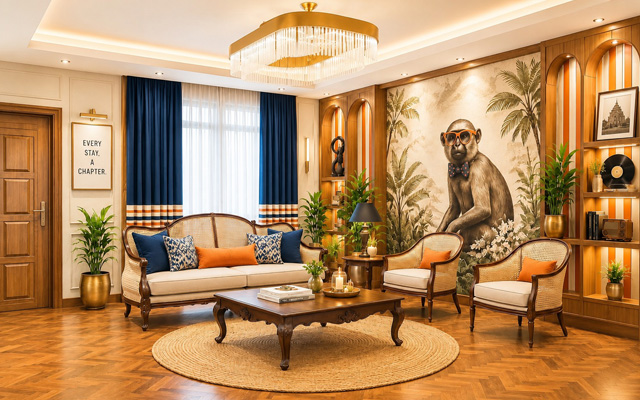
Polo Hotels Group launches boutique brand Chapter Hotels & Resorts
THE NEWS: Polo Hotels Group has launched Chapter Hotels & Resorts, an upscale boutique brand aimed at younger, experience‑led travellers in North‑east...
Read moreDetailsEvery alert that matters — when it happens.

How Is the United Kingdom’s Special Interest Tourism Market Evolving Across Its Regions? - Travel An...
The United Kingdom’s tourism sector is experiencing a significant shift with the rise of special interest tourism (SIT). Forget generic sightseeing; travelers are increasingly seeking experiences tailored to their passions, from history and heritage to food, adventure, and niche cultural pursuits. This trend is reshaping the tourism landscape across the UK’s diverse regions, offering both challenges and opportunities.
Regional Diversification Fuels Growth: The article highlights how regions are leveraging their unique assets to attract specialized tourist segments. Scotland, with its rich history and stunning landscapes, excels in heritage and outdoor adventure tourism. Wales, known for its dramatic coastlines and Celtic heritage, is capitalizing on eco-tourism and cultural experiences. Northern Ireland is emerging as a destination for film tourism, driven by the popularity of shows like "Game of Thrones," and its vibrant arts and music scene. England, with its varied landscapes and historical landmarks, caters to a broad range of interests, from literary tourism to culinary adventures.
Beyond the Traditional Tourist Trail: The growth of SIT is encouraging travelers to explore beyond the well-trodden tourist paths, benefiting local economies in lesser-known areas. This diversification spreads the economic benefits of tourism more evenly across the UK, reducing the strain on popular hotspots. Furthermore, it promotes sustainable tourism practices by encouraging smaller, more responsible travel experiences.
The Role of Innovation and Technology: Technology plays a crucial role in the evolution of SIT. Online platforms and social media are enabling travelers to discover niche experiences and connect with local providers. Virtual reality and augmented reality are also being used to enhance historical sites and cultural attractions, creating more immersive and engaging experiences.
Challenges and Opportunities: While the rise of SIT presents significant opportunities, it also poses challenges. Regions need to invest in infrastructure and training to cater to the specific needs of specialized tourists. Marketing efforts must be targeted and effective in reaching niche audiences. Collaboration between tourism boards, local businesses, and community stakeholders is essential for sustainable growth.
The Future of UK Tourism: The future of UK tourism lies in embracing the diversity and authenticity that SIT offers. By focusing on niche experiences, regions can attract higher-spending tourists, create more jobs, and promote sustainable tourism practices. The UK is well-positioned to become a global leader in SIT, offering unparalleled experiences for travelers seeking something more than just a vacation.
Key Points:
Read the Complete Article.
THE NEWS: Polo Hotels Group has launched Chapter Hotels & Resorts, an upscale boutique brand aimed at younger, experience‑led travellers in North‑east...
Read moreDetails

Experience the magic of the Nile aboard Kenzy Dahabeya, a luxury boutique sailing cruise that offers an unforgettable journey between...
Read moreDetails





