













Comprehensive Summarization:
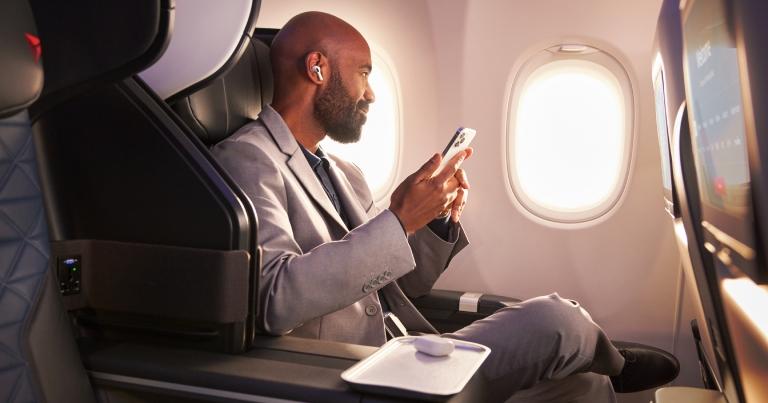
Delta Air Lines has introduced an expanded Delta First cabin on its A321neo aircraft, featuring 44 premium seats for summer 2026. This limited-time configuration is designed to enhance the onboard experience by offering increased premium seating and improved service. The aircraft will operate on key routes including Atlanta (ATL) to Los Angeles (LAX), San Francisco (SFO), Seattle (SEA), and San Diego (SAN). This move aligns with broader travel industry trends focusing on enhancing passenger comfort and service quality, particularly in first-class cabins.
Key Points:
- Delta has increased the number of premium seats in its A321neo aircraft to 44 for the summer 2026 season.
- The expanded Delta First cabin is aimed at offering passengers enhanced premium seating and a refreshed onboard experience.
- The new configuration will be operational on several key routes, including ATL-LAX, SFO, SEA, and SAN.
Actionable Takeaways:
-
Enhanced Premium Seating: Delta’s expansion of the Delta First cabin to 44 seats on its A321neo aircraft represents a strategic move to attract business travelers and high-net-worth individuals seeking enhanced comfort and service. This development underscores the industry trend towards offering more premium seating options to differentiate services and justify higher fares.
-
Route Expansion and Market Penetration: The introduction of the expanded Delta First cabin on routes such as ATL-LAX, SFO, SEA, and SAN indicates Delta’s strategy to expand its premium service offerings to key markets. This move could potentially increase demand for premium travel, particularly on these high-demand routes, and may prompt competitors to review their own premium cabin offerings.
-
Alignment with Travel Industry Trends: The focus on enhancing passenger experience through increased premium seating aligns with current travel industry trends that prioritize passenger comfort and service quality. This trend is driven by increasing consumer expectations for luxury and convenience in air travel, as well as the growing segment of business travelers who prioritize comfort and efficiency.
Contextual Insights:
Delta’s introduction of an expanded Delta First cabin on its A321neo aircraft reflects a broader industry trend towards enhancing passenger experience through improved seating and service quality. This development is particularly relevant in the context of post-pandemic travel recovery, where airlines are focusing on regaining market share by offering superior amenities and services. The move also aligns with the increasing demand for premium travel experiences, driven by a growing segment of affluent travelers who are willing to pay a premium for comfort and exclusivity.
Moreover, the use of the A321neo aircraft, known for its fuel efficiency and range, underscores Delta’s commitment to sustainable and cost-effective operations. This aligns with the industry’s shift towards more environmentally friendly practices and operational efficiency, which is a key consideration for both airlines and travelers in the current market landscape.
Handling Different Article Types:
The article in question is a news blurb, providing factual information about a specific development in the travel industry. The structured output format below adheres to the facts and context provided in the article:
markdown
Comprehensive Summarization:
Delta Air Lines has introduced an expanded Delta First cabin on its A321neo aircraft, featuring 44 premium seats for summer 2026. This move aims to enhance the onboard experience with increased premium seating and improved service, operating on key routes including ATL-LAX, SFO, SEA, and SAN.
Key Points:
- Delta has increased the number of premium seats in its A321neo aircraft to 44 for the summer 2026 season.
- The expanded Delta First cabin is aimed at offering passengers enhanced premium seating and a refreshed onboard experience.
- The new configuration will be operational on several key routes, including ATL-LAX, SFO, SEA, and SAN.
Actionable Takeaways:
- Enhanced Premium Seating: Delta’s expansion of the Delta First cabin to 44 seats on its A321neo aircraft represents a strategic move to attract business travelers and high-net-worth individuals seeking enhanced comfort and service. This development underscores the industry trend towards offering more premium seating options to differentiate services and justify higher fares.
- Route Expansion and Market Penetration: The introduction of the expanded Delta First cabin on routes such as ATL-LAX, SFO, SEA, and SAN indicates Delta’s strategy to expand its premium service offerings to key markets. This move could potentially increase demand for premium travel, particularly on these high-demand routes, and may prompt competitors to review their own premium cabin offerings.
- Alignment with Travel Industry Trends: The focus on enhancing passenger experience through increased premium seating aligns with current travel industry trends that prioritize passenger comfort and service quality. This trend is driven by increasing consumer expectations for luxury and convenience in air travel, as well as the growing segment of business travelers who prioritize comfort and efficiency.
Contextual Insights:
Delta’s introduction of an expanded Delta First cabin on its A321neo aircraft reflects a broader industry trend towards enhancing passenger experience through improved seating and service quality. This development is particularly relevant in the context of post-pandemic travel recovery, where airlines are focusing on regaining market share by offering superior amenities and services. The move also aligns with the increasing demand for premium travel experiences, driven by a growing segment of affluent travelers who are willing to pay a premium for comfort and exclusivity.
Moreover, the use of the A321neo aircraft, known for its fuel efficiency and range, underscores Delta’s commitment to sustainable and cost-effective operations. This aligns with the industry’s shift towards more environmentally friendly practices and operational efficiency, which is a key consideration for both airlines and travelers in the current market landscape.
Read the Complete Article.


