











Sail Through Time: Discover the Timeless Wonders of Upper Egypt Aboard Kenzy Dahabeya
Experience the magic of the Nile aboard Kenzy Dahabeya, a luxury boutique sailing cruise that offers an unforgettable journey between...
Read moreDetails
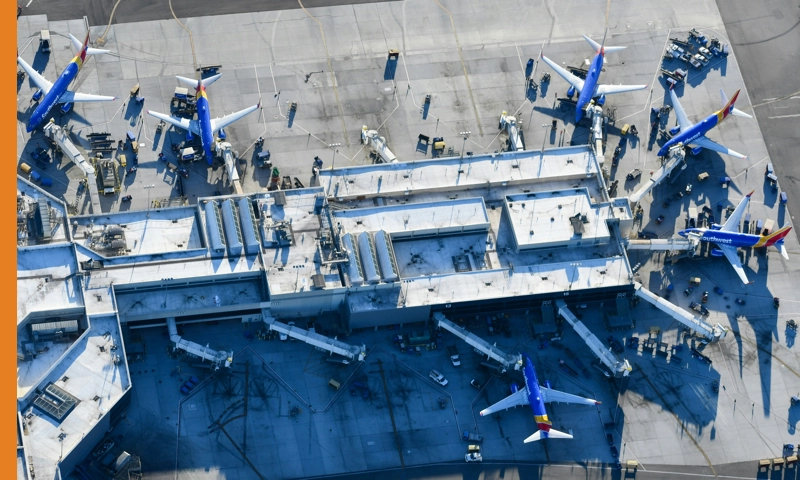
U.S. Travel Industry Faces Growing Competition As Global Demand Shifts
New York, USA — April 17, 2026
In short: U.S. travel industry loses international demand share to emerging markets.
According to new data from the World Travel & Tourism Council (WTTC), the United States remains the world’s largest travel and tourism market but is experiencing a decline in its share of international travel demand as growth accelerates in other regions. The report highlights that while the U.S. continues to dominate overall travel volume, competitors in Asia-Pacific, Europe, and Latin America are capturing a larger portion of global tourism revenue. This shift reflects broader trends in global travel behavior, with travelers increasingly opting for destinations offering diverse cultural experiences and more competitive pricing.
TMCs managing international accounts should reassess their destination strategies, focusing on emerging markets that are gaining traction. Airport lounge operators in the U.S. may need to enhance their offerings to remain competitive against new regional hubs. Hotel chains should explore partnerships with international brands to diversify their appeal. The shift underscores the need for travel trade professionals to stay informed about regional travel trends and adapt their offerings accordingly.
What is the U.S. travel market share?
The U.S. remains the largest travel market but is losing its dominant share to other regions.
Which travel trade segments are affected?
TMCs, airport lounge operators, and hotel chains are directly impacted by this shift in demand.
When does this trend start?
The trend is ongoing, with no specific start date mentioned in the source article.
Read complete article.
Experience the magic of the Nile aboard Kenzy Dahabeya, a luxury boutique sailing cruise that offers an unforgettable journey between...
Read moreDetails



