












Article Summary:
The article discusses the impact of Canada’s travel boycott of the United States on Canadian travelers, particularly “snowbirds” who typically migrate to warmer states during winter. This boycott, initiated due to political tensions and President Trump’s trade war, has led to a significant decline in U.S. travel demand among Canadians. In response, Air Canada has shifted its focus to expanding its network in Latin America rather than adding new routes to the U.S. This shift reflects broader travel industry trends where geopolitical factors and trade policies are influencing travel destinations and airline strategies.
Key Points:
- Canada’s travel boycott of the U.S. due to political tensions and trade war has significantly reduced U.S. travel demand among Canadians.
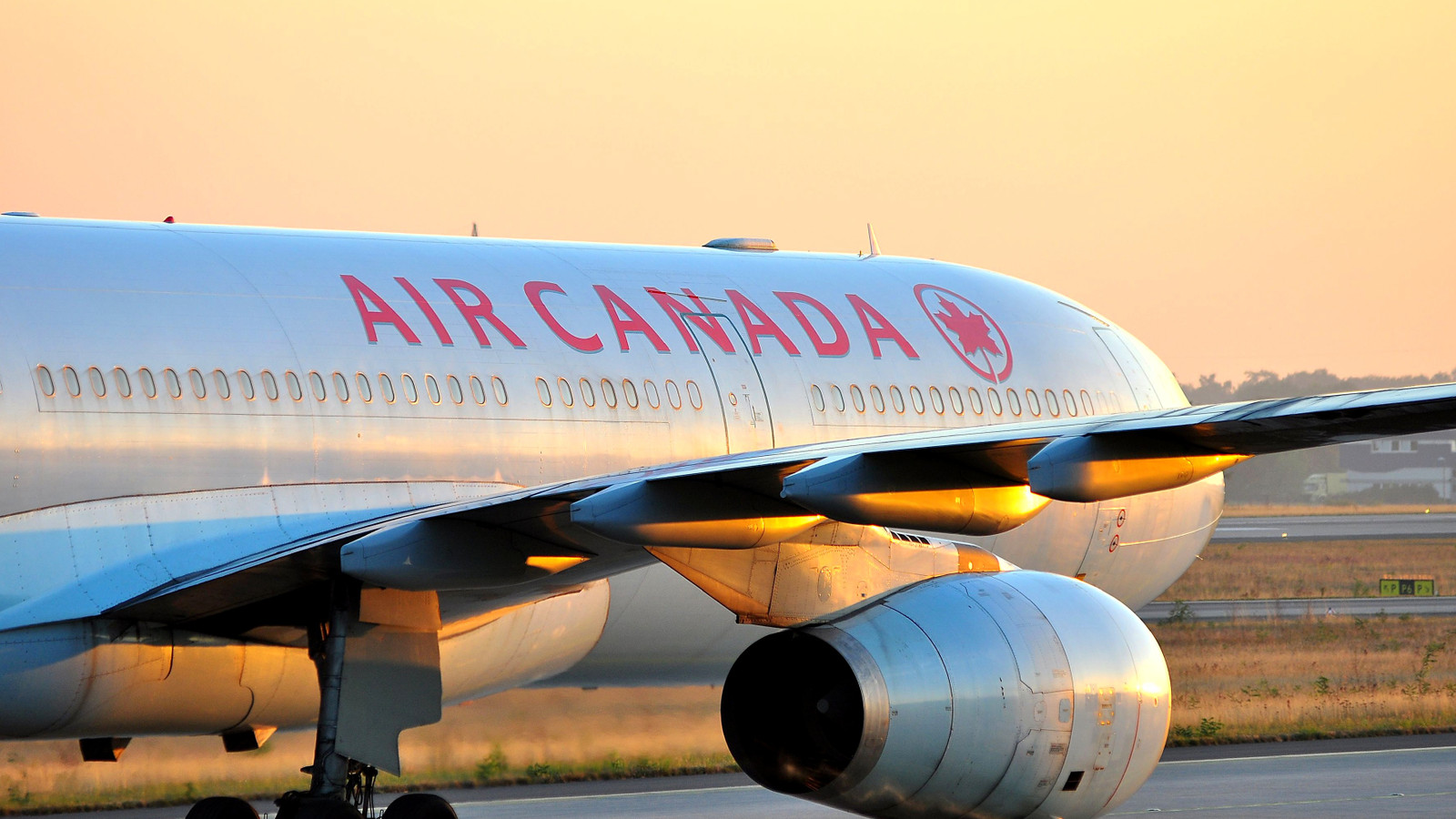
- Air Canada’s decision to expand its network to Latin America instead of adding new U.S. routes is a direct response to the boycott.
- The article highlights the broader impact of geopolitical factors on travel destinations and airline strategies.
Actionable Takeaways:
- Shift in Travel Destinations: Canadian travelers are increasingly looking towards Latin America as a viable alternative to the U.S. during winter. This shift presents opportunities for airlines and travel agencies operating in Latin America to capitalize on the growing demand. Relevance: This trend underscores the importance of diversifying travel destinations to mitigate risks associated with geopolitical tensions.
- Strategic Network Expansion: Air Canada’s decision to expand its network to Latin America indicates a strategic pivot in response to the boycott. Other airlines may follow suit, leading to increased competition and innovation in Latin American travel markets. Relevance: This move highlights the need for airlines to adapt their route networks based on geopolitical developments, ensuring they remain competitive in the global market.
- Focus on Geopolitical Factors: The article emphasizes the role of political tensions and trade wars in shaping travel patterns. Travel companies should closely monitor geopolitical developments and adjust their strategies accordingly to navigate potential disruptions in travel demand. Relevance: Understanding the impact of geopolitical factors on travel can help companies anticipate market shifts and make informed decisions to protect their business interests.
Contextual Insights:
The article reflects the current state of the travel industry, where geopolitical factors and trade policies are increasingly influencing travel destinations and airline strategies. The boycott of the U.S. by Canadian travelers highlights the sensitivity of the travel market to political and economic tensions between countries. This context is crucial for travel companies to understand the potential risks and opportunities associated with geopolitical developments. Furthermore, the shift in Air Canada’s strategy to Latin America underscores the importance of diversifying travel destinations to mitigate risks and capitalize on emerging market opportunities. As geopolitical tensions continue to shape global travel patterns, travel companies must remain agile and responsive to adapt their strategies effectively.
Read the Complete Article.



