












Comprehensive Summarization:
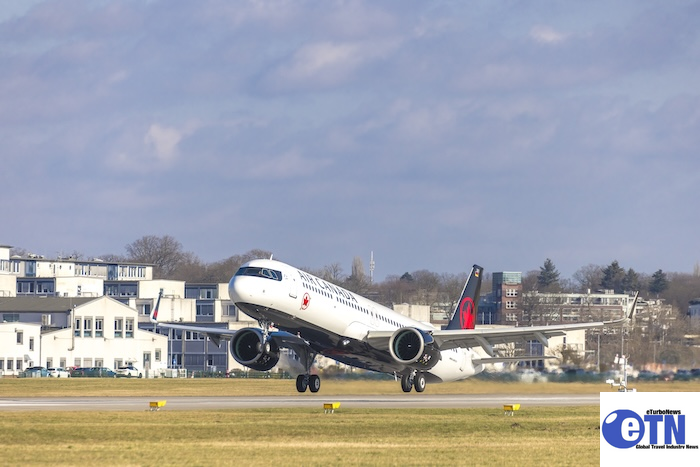
Air Canada’s acquisition of its first Airbus A321XLR marks a significant shift in the Canadian airline industry’s fleet strategy, signaling a broader trend among Canadian airlines towards Airbus. This move is driven by considerations of efficiency, geopolitical factors, and evolving route economics. The delivery reflects a strategic reassessment by carriers regarding their reliance on U.S. manufacturer Boeing, indicating a potential realignment within the industry. The article, while primarily describing the delivery as a routine fleet upgrade, hints at deeper industry dynamics and strategic positioning among Canadian airlines.
Key Points:
- Air Canada’s first Airbus A321XLR delivery is framed as a routine fleet upgrade but is interpreted within the aviation industry as part of a strategic shift towards Airbus.
- The move is seen as reflective of broader industry dynamics, driven by efficiency considerations, geopolitical factors, and changing route economics.
- The delivery is indicative of a quiet but notable shift among Canadian airlines towards Airbus, away from a continued reliance on Boeing.
- The article highlights the importance of fleet strategy in modernizing aircraft and improving operational efficiency.
Actionable Takeaways:
-
Strategic Fleet Realignment: Canadian airlines are increasingly considering Airbus aircraft for their fleet upgrades, signaling a strategic realignment away from Boeing. This shift could influence future procurement decisions and negotiations with aircraft manufacturers, potentially impacting market dynamics and pricing strategies.
-
Efficiency and Cost Considerations: The move towards Airbus A321XLRs underscores the importance of efficiency and cost-effectiveness in fleet management. Airlines may prioritize aircraft that offer superior fuel efficiency and operational economics, potentially leading to increased investment in newer, more efficient aircraft models.
-
Geopolitical and Market Dynamics: The shift towards Airbus may be influenced by geopolitical factors and evolving market conditions. Airlines may be reassessing their supply chains and strategic partnerships with aircraft manufacturers, potentially leading to new alliances or partnerships that could reshape the competitive landscape in the aviation industry.
Contextual Understanding:
The article’s context is rooted in the ongoing evolution of the aviation industry, particularly within the Canadian market. The shift towards Airbus is not merely a response to technological advancements but also reflects broader industry trends, including geopolitical considerations and changing route economics. The delivery of the first Airbus A321XLR by Air Canada is framed as part of a broader industry narrative, indicating that such strategic decisions are increasingly influenced by a combination of operational, economic, and geopolitical factors. This context is crucial for understanding the potential implications of the shift and its potential impact on the travel industry as a whole.
Handling Different Article Types:
The article in question is a news blurb, providing factual information about a significant development within the aviation industry. The structured output format is designed to accommodate such concise, factual reporting, ensuring that the key points and actionable insights are clearly articulated and easily digestible for a professional audience. Given the nature of the article, there are no opinion pieces or feature articles to consider, simplifying the analysis and ensuring that the output remains strictly factual and aligned with the article’s content.
Read the Complete Article.






