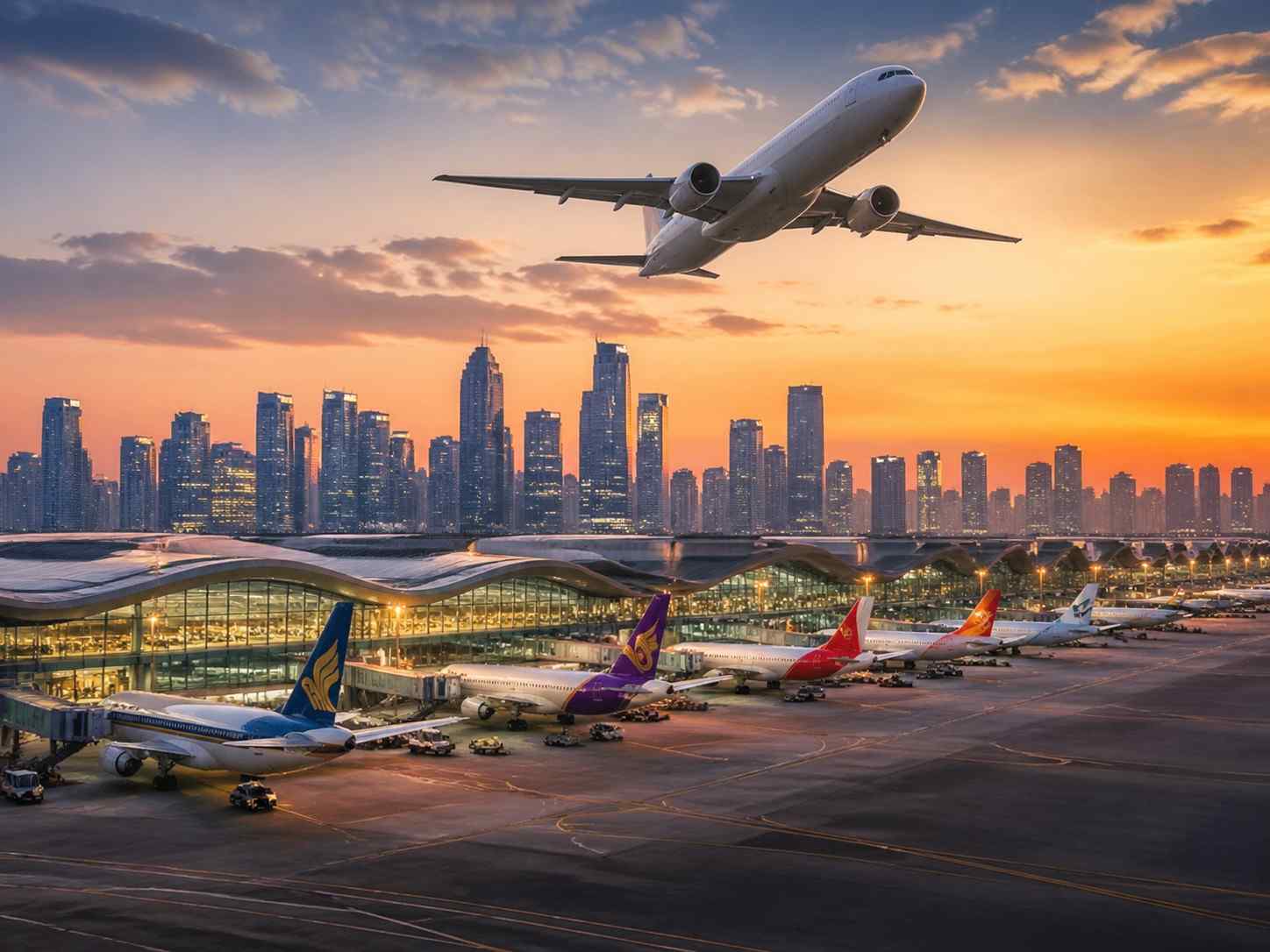
Singapore Airlines teams with Thai Airways, Malaysia Airlines, VietJet, AirAsia
THE NEWS: Analysis: Singapore Airlines is joining Thai Airways, Malaysia Airlines, VietJet and AirAsia in a drive to position Southeast...
Read moreDetailsEvery alert that matters — when it happens.
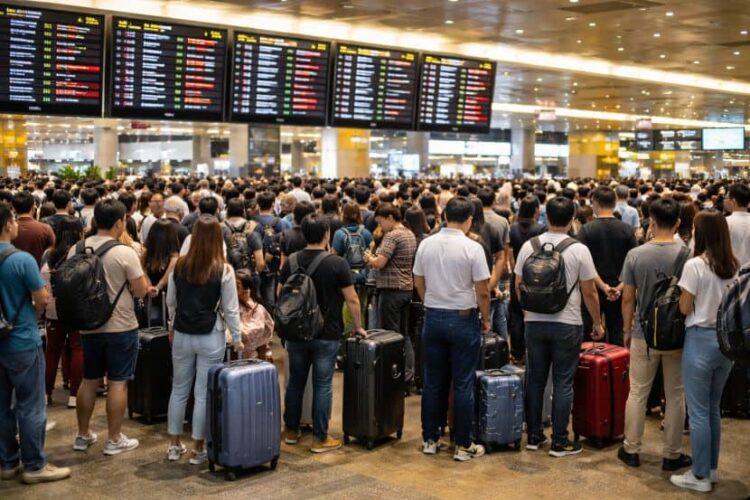
Passengers waiting amidst flight delays and cancellations at Singapore Changi Airport due to travel disruptions
Comprehensive Summarization:
The article reports on significant travel disruptions at Singapore Changi Airport on April 11, 2026, due to flight delays and cancellations involving Gulf Air, AirAsia, and Singapore Airlines. The disruptions affected 119 flights and 3 cancellations across key routes to Bangkok, Jakarta, and other destinations. This situation highlights the challenges faced by major global travel hubs, even when they are typically equipped to handle high volumes of traffic. The article underscores the importance of robust travel tech and contingency planning to manage such disruptions effectively.
Key Points:
Actionable Takeaways:
Invest in Advanced Travel Tech: Airlines and airports should invest in sophisticated travel technology solutions to monitor and manage flight statuses in real-time. This can help in preemptively communicating delays and cancellations to passengers, reducing confusion and improving overall passenger experience.
Enhance Contingency Planning: Develop and regularly update contingency plans to swiftly address and mitigate the impact of flight disruptions. This includes having backup crew, alternate routes, and communication protocols to ensure minimal disruption to travel schedules.
Focus on Passenger Communication: Improve communication strategies to keep passengers informed about delays and cancellations. Real-time updates through mobile apps, SMS, and airport displays can significantly enhance passenger satisfaction and trust in the airline or airport’s operational capabilities.
Contextual Insights:
The disruptions at Singapore Changi Airport underscore the critical role of travel technology in managing modern aviation challenges. As global travel hubs, airports like Changi must continuously innovate to handle unexpected disruptions efficiently. The incident also highlights the growing importance of fintech solutions in managing travel disruptions, such as automated refunds and rebooking options for affected passengers. By leveraging these technologies, airlines and airports can not only mitigate the immediate impact of disruptions but also enhance their resilience against future challenges. This aligns with current industry trends emphasizing the integration of technology and data-driven decision-making in travel operations.
Read the Complete Article.
THE NEWS: Analysis: Singapore Airlines is joining Thai Airways, Malaysia Airlines, VietJet and AirAsia in a drive to position Southeast...
Read moreDetails
Experience the magic of the Nile aboard Kenzy Dahabeya, a luxury boutique sailing cruise that offers an unforgettable journey between...
Read moreDetails