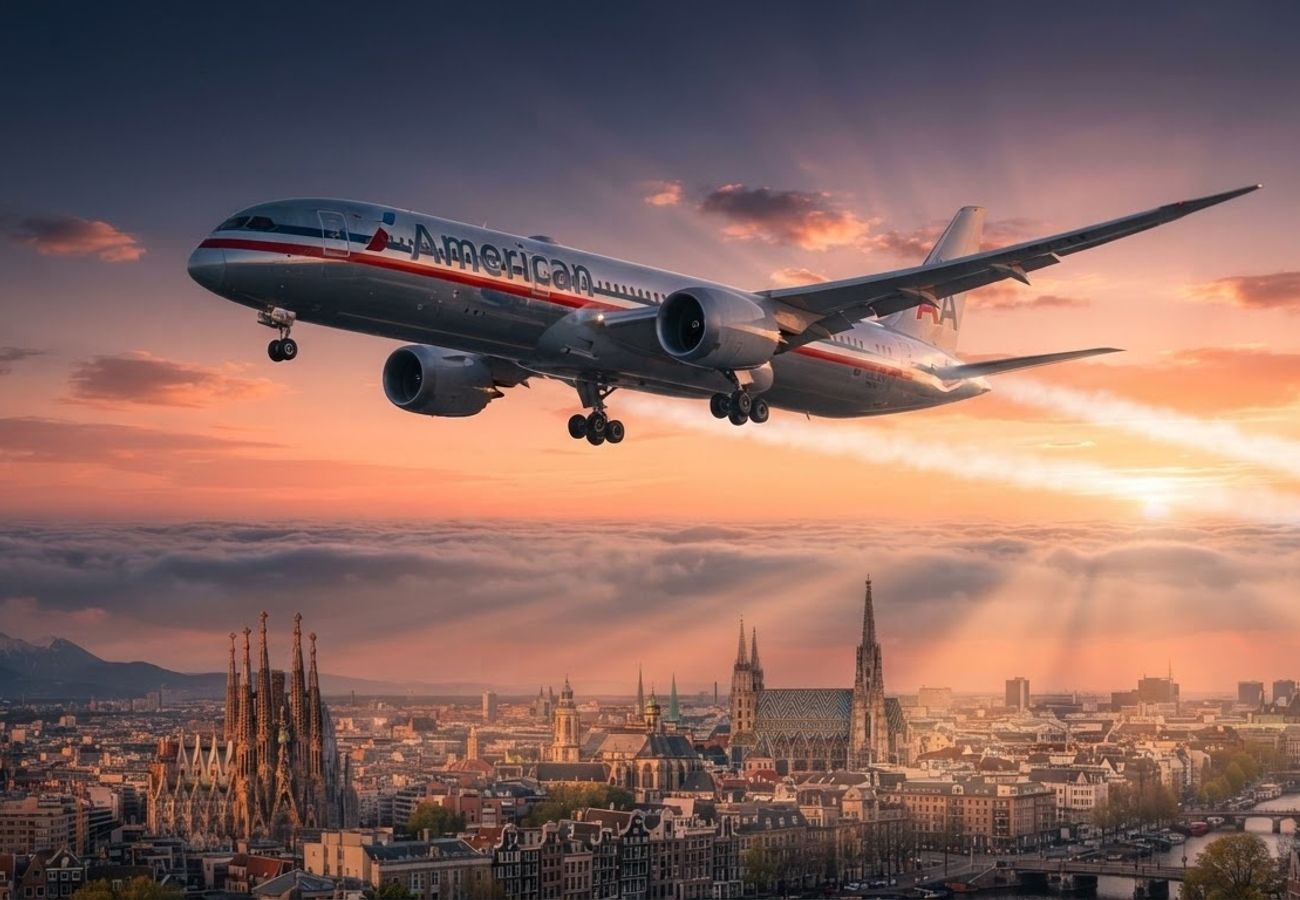
American Airlines expands 2027 global network with 7
THE NEWS: American Airlines will launch seven new international routes in the 2027 season, adding service to three new cities...
Read moreDetailsEvery alert that matters — when it happens.
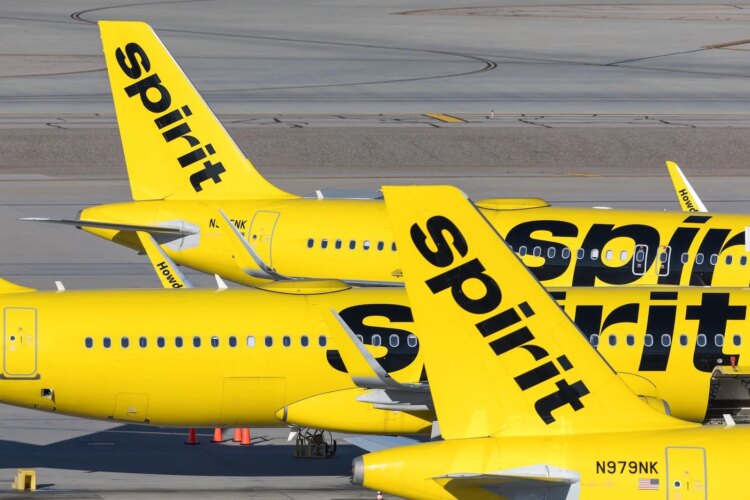
SEAN CUDAHY/THE POINTS GUY
Comprehensive Summarization:
The article reports on the immediate industry response following Spirit Airlines’ grounding of all its planes early Saturday morning. In response to the disruption, major airlines across the industry swiftly stepped in to offer backup options to stranded passengers and employees. These accommodations include rescue fares, discounts, and additional seat availability on other airlines’ flights. The article highlights the collaborative effort within the airline sector to mitigate the impact of Spirit’s grounding, showcasing a united front among competitors to support affected stakeholders. This response reflects the interconnected nature of the airline industry and the importance of swift, coordinated actions in crisis situations.
Key Points:
Actionable Takeaways:
Industry Collaboration in Crisis Management: The swift response from major airlines to offer backup options to Spirit’s stranded passengers and employees underscores the importance of industry collaboration in crisis management. Airlines are leveraging their networks and resources to mitigate the impact of disruptions, highlighting a trend towards collective problem-solving in the travel sector. This collaborative approach can set a precedent for future crisis scenarios, potentially leading to more robust contingency plans and enhanced resilience within the industry.
Flexibility and Innovation in Travel Offerings: The article highlights the variety of accommodations being offered by major airlines, ranging from rescue fares to seat availability on other carriers. This flexibility in travel offerings is a direct response to the disruption caused by Spirit’s grounding and reflects a broader trend in the travel industry towards innovation and adaptability. Airlines are leveraging their extensive networks and resources to provide alternative solutions, which not only helps stranded passengers but also positions airlines to capitalize on the increased demand for travel during such disruptions. This trend towards flexible and innovative travel offerings is likely to continue, especially as the industry navigates ongoing challenges such as weather disruptions, pandemics, and other unforeseen events.
Contextual Insights:
The grounding of Spirit Airlines and the subsequent industry response are indicative of the interconnected nature of the airline sector. In the current travel landscape, characterized by frequent disruptions due to factors such as weather, pandemics, and operational issues, the ability of airlines to respond swiftly and collaboratively is crucial. The article reflects a broader trend in the travel industry towards greater interdependence among airlines, where the success of one airline can significantly impact others. This interconnectedness necessitates a coordinated approach to crisis management, where airlines share resources, information, and support to ensure the smoothest possible experience for passengers and employees.
Moreover, the article highlights the importance of flexibility and innovation in travel offerings as airlines navigate disruptions. The industry is witnessing a shift towards more adaptable business models, where airlines can quickly adjust their services to meet changing demand and circumstances. This trend is likely to gain momentum as the industry continues to face uncertainties and challenges. Airlines that can effectively leverage technology and data to offer flexible pricing, seat availability, and alternative travel options will be better positioned to thrive in a volatile market. The collaborative response to Spirit’s grounding serves as a case study in how airlines can harness their collective strengths to overcome challenges and emerge stronger.
Read the Complete Article.
THE NEWS: American Airlines will launch seven new international routes in the 2027 season, adding service to three new cities...
Read moreDetails

Experience the magic of the Nile aboard Kenzy Dahabeya, a luxury boutique sailing cruise that offers an unforgettable journey between...
Read moreDetails