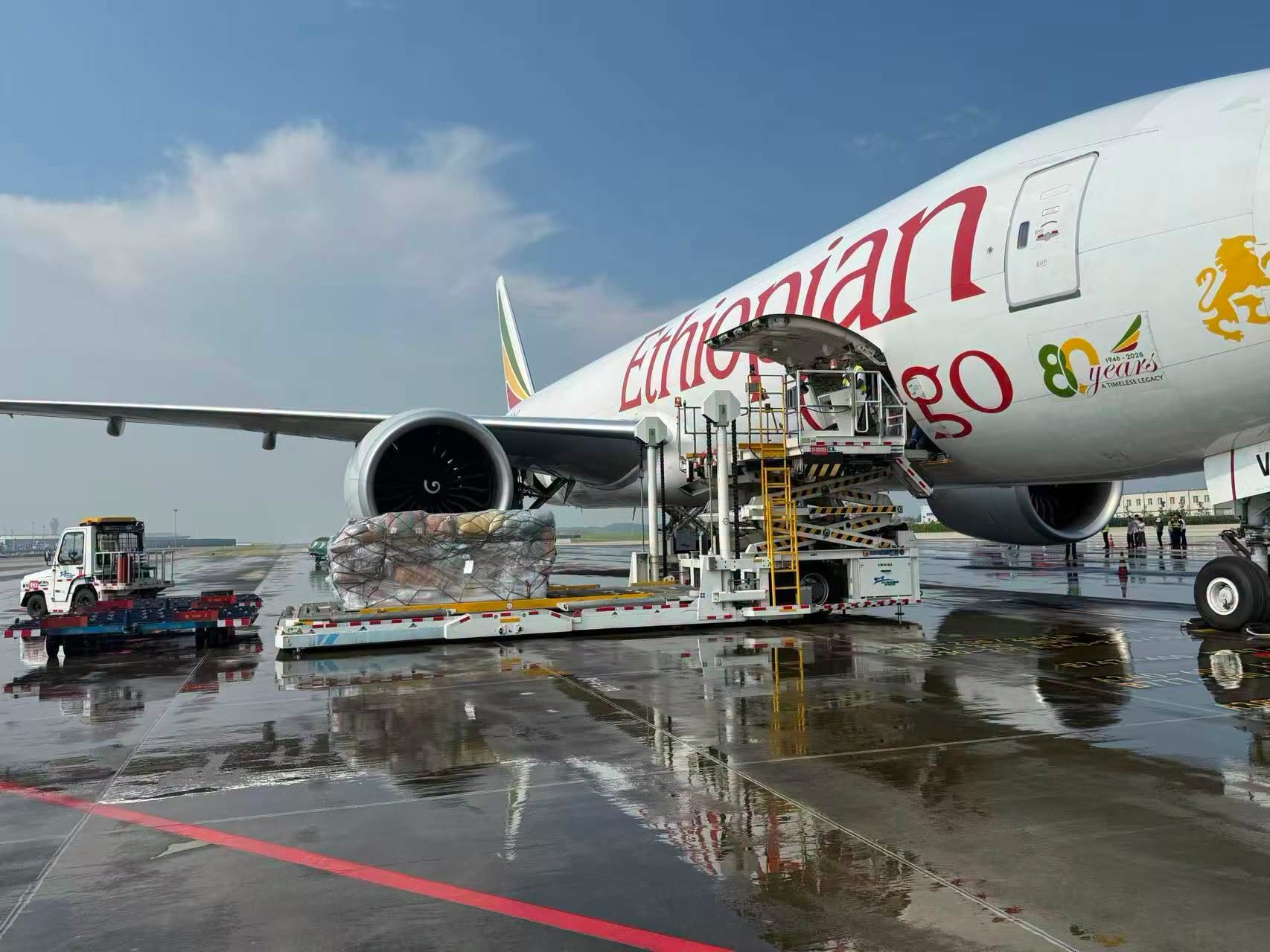
Ethiopian Airlines launches Direct Freighter Service linking Chengdu with Africa
THE NEWS: Ethiopian Airlines has launched a scheduled freighter service linking Chengdu in southwest China directly with Addis Ababa, creating...
Read moreDetailsEvery alert that matters — when it happens.
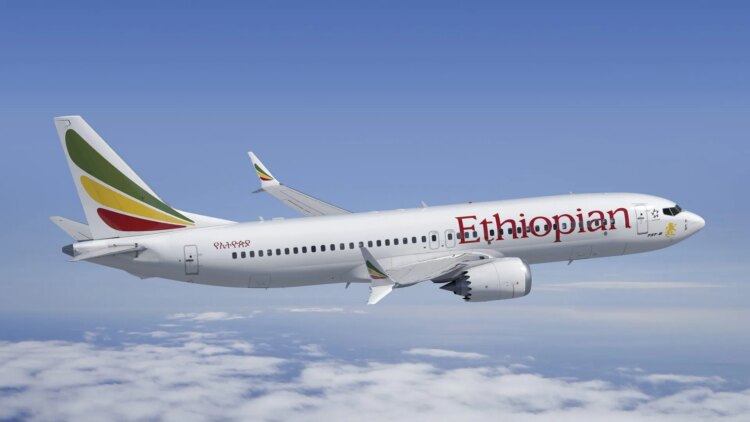
The airline expects six new B787 Dreamliners © Ethiopian Airlines
Comprehensive Summarization:
Ethiopian Airlines, Africa’s largest B787 operator, is set to purchase six Boeing 787 Dreamliners, with deliveries expected in 2028. This acquisition will increase the carrier’s aircraft order to 26, further solidifying its position as the leading Boeing 787 Dreamliner operator in Africa. Currently, Ethiopian Airlines operates a fleet of around 150 aircraft, comprising a mix of Airbus and Boeing models. The airline is also planning to launch flights to Australia in 2028, indicating a strategic expansion of its global network.
Key Points:
Actionable Takeaways:
Strategic Fleet Expansion: Ethiopian Airlines’ decision to purchase six more B787 Dreamliners underscores the airline’s commitment to fleet modernization and capacity expansion. This move is likely to enhance the carrier’s operational efficiency and service quality, positioning it as a key player in the African aviation market. (Relevance: Reflects current industry trends of fleet modernization and strategic expansion.)
Global Network Expansion: The planned launch of flights to Australia in 2028 highlights Ethiopian Airlines’ strategic vision for global market penetration. This expansion could open new revenue streams and strengthen the airline’s position as a major player in international air travel. (Relevance: Aligns with broader industry trends of airline diversification and global market expansion.)
Contextual Understanding:
The article reflects the ongoing trend in the aviation industry towards fleet modernization and strategic expansion. Ethiopian Airlines’ acquisition of additional B787 Dreamliners aligns with the broader industry shift towards more fuel-efficient and technologically advanced aircraft. The planned expansion to Australia further underscores the airline’s ambition to capture new markets and diversify its revenue streams. These developments are indicative of the industry’s response to evolving consumer demands for connectivity and convenience across continents.
Handling Different Article Types:
The article in question is a news brief, providing factual information about Ethiopian Airlines’ strategic decisions in fleet expansion and market expansion. The structured output format ensures that the key points and actionable takeaways are clearly delineated, making the information easily digestible for a professional audience. The contextual insights integrate the latest travel trends and industry perspectives, offering a forward-looking analysis of the airline’s strategic moves.
markdown
Comprehensive Summarization:
Ethiopian Airlines is set to purchase six Boeing 787 Dreamliners, increasing its aircraft order to 26 by 2028. This move solidifies its position as Africa’s leading B787 operator and marks a strategic expansion into the Australian market.
Key Points:
Actionable Takeaways:
Contextual Insights:
The article reflects industry trends towards fleet modernization and strategic expansion. Ethiopian Airlines’ moves align with the broader industry’s response to evolving consumer demands for connectivity and convenience across continents.
Read the Complete Article.
THE NEWS: Ethiopian Airlines has launched a scheduled freighter service linking Chengdu in southwest China directly with Addis Ababa, creating...
Read moreDetails
Experience the magic of the Nile aboard Kenzy Dahabeya, a luxury boutique sailing cruise that offers an unforgettable journey between...
Read moreDetails