











Comprehensive Summarization:
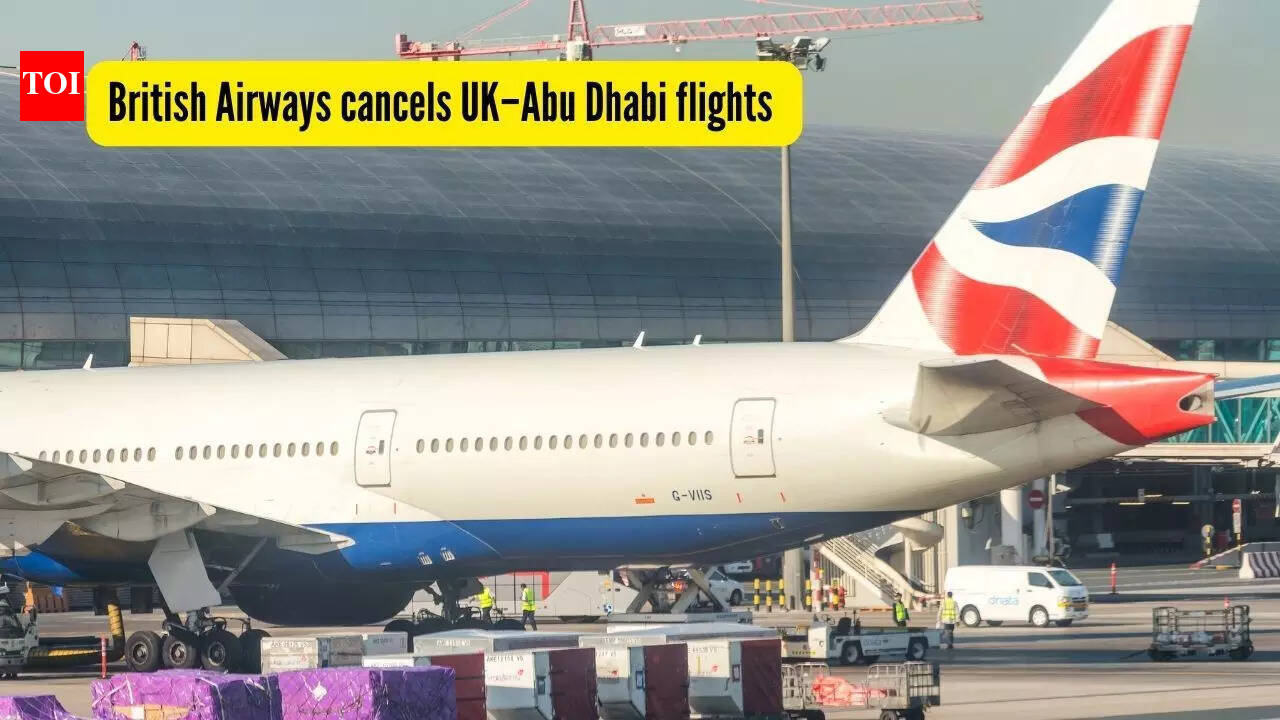
British Airways has announced several flight cancellations between the Middle East and the United Kingdom due to ongoing regional disruptions and airspace instability. The airline has temporarily halted operations on affected routes, including flights to and from major airports in Dubai, Doha, Amman, Bahrain, and Tel Aviv. This decision was made on 10 March at 14:00 GMT, as reported in the latest update. The article also touches upon the broader context of travel trends and insights from thought leaders, highlighting the importance of staying informed about recent events and technological advancements in the travel industry.
Key Points:
- British Airways has cancelled all flights to and from several major Middle Eastern airports due to airspace instability.
- The cancellations include routes to Dubai, Doha, Amman, Bahrain, and Tel Aviv.
- The decision was announced on 10 March at 14:00 GMT.
- The article emphasizes the importance of staying updated on travel trends and insights from industry thought leaders.
Actionable Takeaways:
-
Monitor Airline Cancellations: Travel agencies and airlines should closely monitor announcements from British Airways and other carriers regarding flight cancellations, especially in the Middle East. This proactive approach can help in adjusting travel itineraries and minimizing disruptions for clients.
-
Invest in Flexible Travel Packages: Given the unpredictability of air travel, offering flexible travel packages that allow for easy changes or cancellations can enhance customer satisfaction and loyalty. This aligns with current industry trends towards customer-centric services.
-
Leverage Technology for Real-Time Updates: Travel companies can benefit from integrating real-time flight tracking and cancellation alerts into their platforms. This not only improves operational efficiency but also enhances the customer experience by keeping travelers informed about any changes to their travel plans.
Contextual Insights:
The cancellation of British Airways flights highlights the vulnerability of the travel industry to regional geopolitical and logistical challenges. The Middle East, a critical hub for international travel, is particularly susceptible to disruptions caused by conflicts, security concerns, and airspace instability. This situation underscores the need for the travel industry to adopt resilient strategies, such as diversifying routes and enhancing contingency planning. Furthermore, the article’s mention of travel trends and insights from thought leaders suggests a growing emphasis on technological innovation and customer-centric solutions. As the industry evolves, leveraging advanced technologies for real-time updates and flexible travel options will be crucial in maintaining competitiveness and ensuring customer satisfaction. The focus on these aspects reflects a forward-looking perspective on the challenges and opportunities facing the travel sector today.
Read the Complete Article.






