









Sail Through Time: Discover the Timeless Wonders of Upper Egypt Aboard Kenzy Dahabeya
Experience the magic of the Nile aboard Kenzy Dahabeya, a luxury boutique sailing cruise that offers an unforgettable journey between...
Read moreDetails
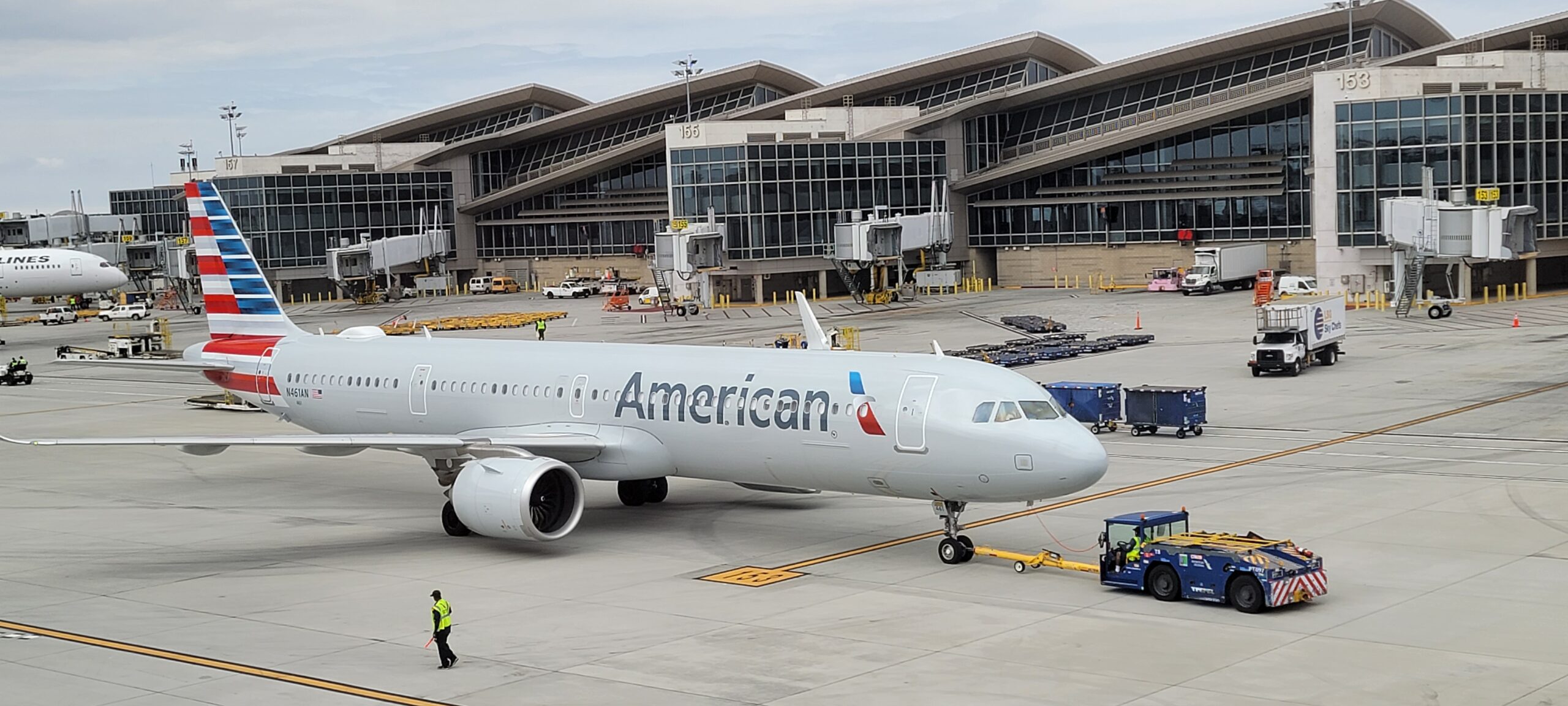
Delta Air Lines Shockingly Cancels 32 Flights and Delays Over 130 More, Stranding Passengers at Majo...
Article Summary:
Delta Air Lines has unexpectedly canceled 32 flights and delayed over 130 more, causing significant disruption for passengers at major U.S. airports. This disruption highlights the impact of operational challenges on travel logistics and passenger experience, especially under the scrutiny of U.S. DOT consumer‑rights rules.
Key Points:
Actionable Takeaways:
Contextual Insights:
The recent cancellation and delays by Delta Air Lines highlight ongoing challenges in the travel industry, particularly in managing operational disruptions amidst stringent regulatory oversight. This incident underscores the importance of leveraging technology for real-time data analytics and predictive maintenance to enhance operational efficiency. Furthermore, the incident serves as a reminder for the travel sector to prioritize customer communication and service excellence, especially during crises. As the industry continues to evolve, integrating innovative solutions for seamless travel experiences will be crucial for maintaining competitive advantage and customer satisfaction.
Read the Complete Article.
Experience the magic of the Nile aboard Kenzy Dahabeya, a luxury boutique sailing cruise that offers an unforgettable journey between...
Read moreDetails



