












Sail Through Time: Discover the Timeless Wonders of Upper Egypt Aboard Kenzy Dahabeya
Experience the magic of the Nile aboard Kenzy Dahabeya, a luxury boutique sailing cruise that offers an unforgettable journey between...
Read moreDetails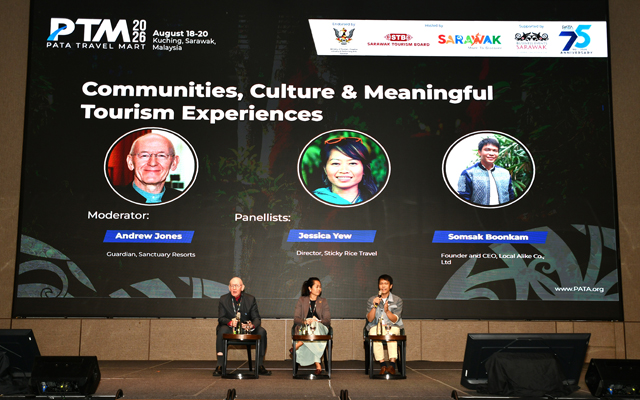
Tourism experts discuss the importance of involving local communities in decision-making
THE NEWS:
Jessica Yew, director of Sticky Rice Travel, says meaningful travel should leave a lasting benefit for communities after visitors leave, with tourism income staying locally and residents gaining new skills and exposure.
DETAILS:
WHY IT MATTERS:
When local residents shape tourism decisions and retain income, travel experiences become more authentic and sustainable, benefiting both communities and operators.
FAQ
Who said that meaningful travel should benefit local communities after visitors leave?
Jessica Yew, director of Sticky Rice Travel, made that statement, highlighting the need for tourism income to stay locally and for residents to gain new skills and exposure.
What does Jessica Yew propose about community involvement in tourism decision‑making?
She proposes that communities be fully involved as decision‑makers rather than merely consulted, ensuring genuine participation in tourism activities.
Why is a one‑size‑fits‑all approach unsuitable for community‑based tourism, according to the article?
Yew warns that community‑based tourism must be tailored to each locale, as no single model works everywhere, requiring operators to adapt to local needs.
Read Original Article.
Experience the magic of the Nile aboard Kenzy Dahabeya, a luxury boutique sailing cruise that offers an unforgettable journey between...
Read moreDetails



