



No products in the cart.
- Latest
- Trending


Turbulence Strikes Delta’s Los Angeles to Sydney Flight: Four Crew Members Injured and Emergency Res...
Comprehensive Summarization:
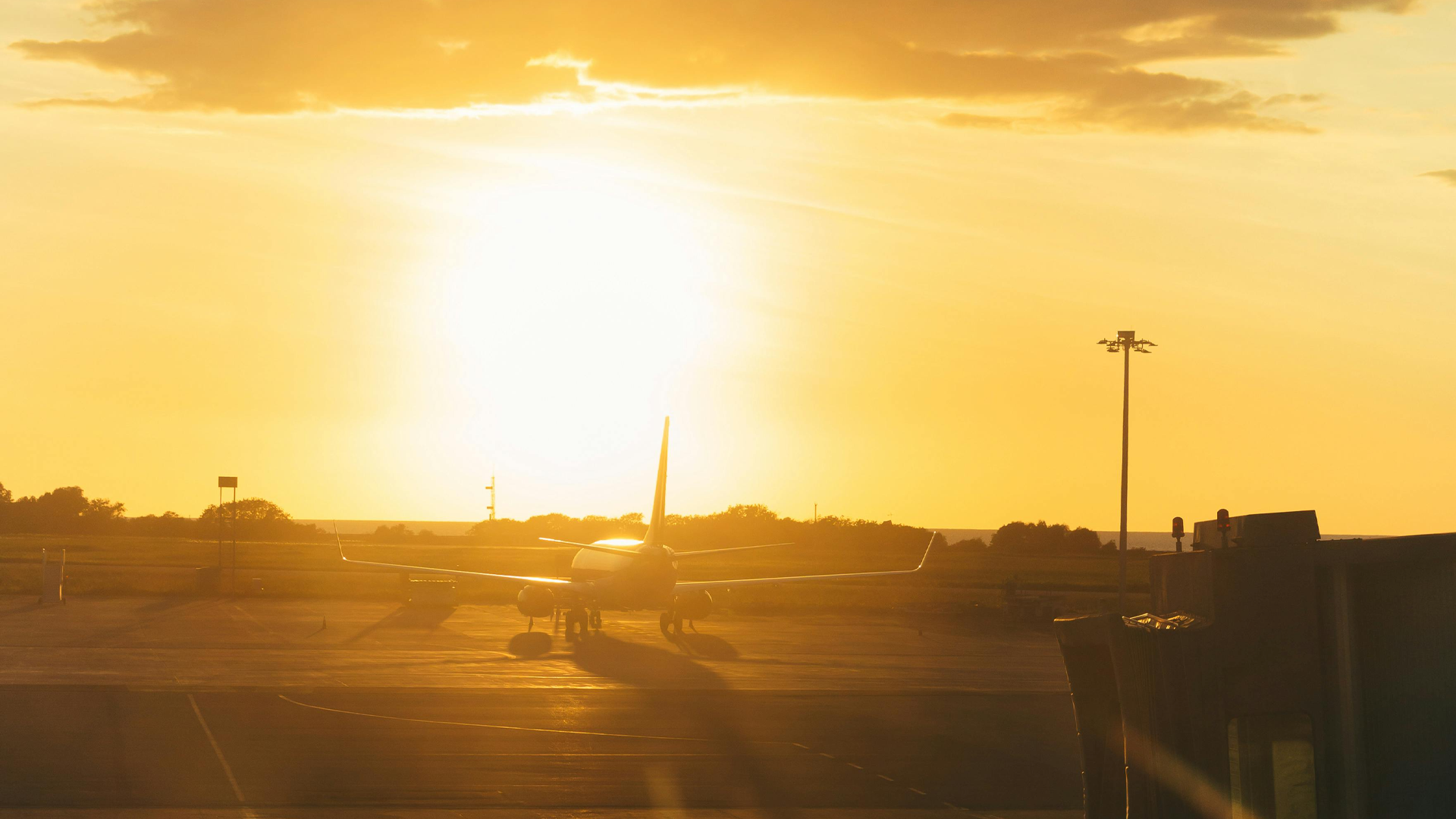
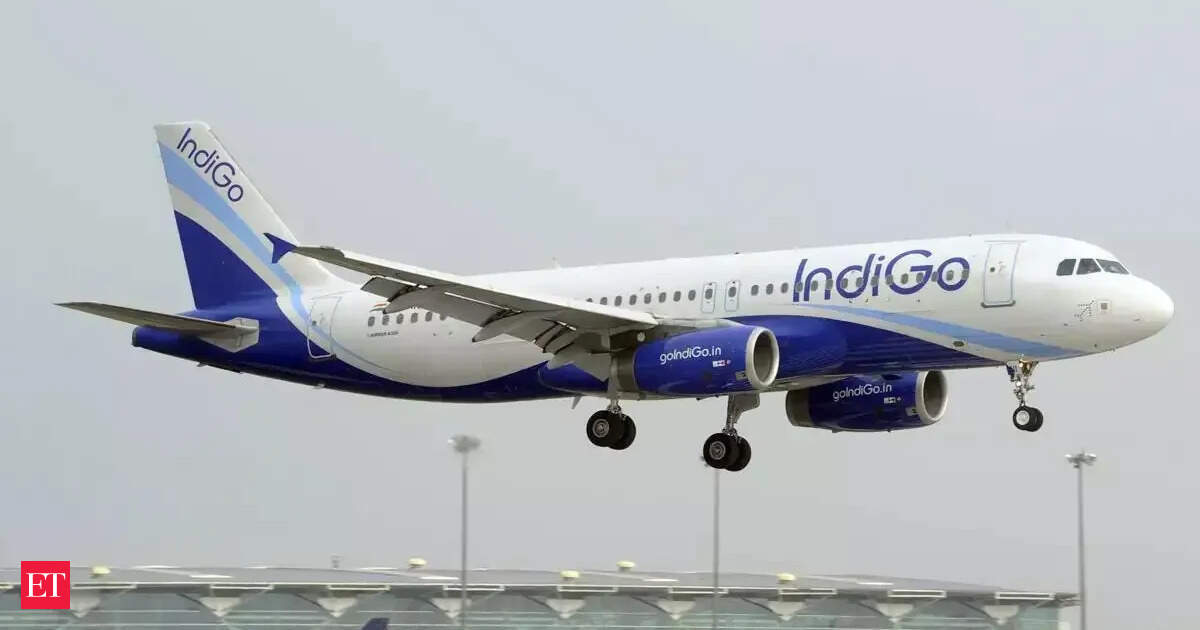
On March 20, 2026, Delta Air Lines Flight 41, operating from Los Angeles (LAX) to Sydney (SYD), experienced severe turbulence during its final approach. The Airbus A350, carrying 245 passengers and crew, encountered turbulence which resulted in four crew members sustaining injuries. The incident prompted an emergency response at Sydney Airport, where medical assistance was provided to the injured crew members. The article highlights the importance of emergency preparedness and the airline’s response protocols in such critical situations. The event underscores the ongoing challenges faced by the aviation industry in ensuring passenger safety amidst unpredictable weather conditions.
Key Points:
Actionable Takeaways:
Enhanced Crew Training: Airlines should invest in advanced training programs for crew members to better handle turbulence incidents. This includes simulations and drills that replicate severe turbulence scenarios, ensuring crew readiness and quick response times.
Improved Emergency Response Protocols: Airports and airlines should review and update emergency response protocols to ensure seamless coordination during such incidents. This includes having dedicated medical teams and clear communication channels to manage the situation efficiently.
Investment in Aircraft Safety Technology: Airlines should consider investing in aircraft technology that can better withstand or mitigate the effects of turbulence. This could include advanced avionics systems that provide real-time weather data and turbulence alerts, allowing pilots to make informed decisions during flight.
Contextual Understanding:
The article reflects the ongoing challenges faced by the aviation industry in ensuring passenger safety amidst unpredictable weather conditions. Recent trends indicate a growing emphasis on safety and preparedness in the travel sector, with airlines increasingly adopting advanced technologies to enhance operational resilience. The incident at Sydney Airport highlights the critical need for robust emergency response systems and crew training programs. As the travel industry continues to evolve, integrating innovative solutions for turbulence management and emergency preparedness will be crucial for maintaining high safety standards and ensuring passenger confidence.
Handling Different Article Types:
The provided article is a news blurb, offering factual information about a specific aviation incident. The summary, key points, and actionable takeaways are structured to reflect the concise nature of news blurbs, focusing on the core facts and their implications. For opinion pieces or feature articles, the approach would involve analyzing the underlying arguments, expert opinions, and broader industry implications, ensuring a more nuanced and analytical output.
Read the Complete Article.
Get curated travel AI insights — choose the newsletters that matter to you.
This spot is reserved for brands with a compelling story for the travel trade. They use this space to cut...
Read moreDetailsTravel One Technologies launches the world’s first Traveler DNA Platform, targeting the structural data gap at the core of an...
Read moreDetails