











Sail Through Time: Discover the Timeless Wonders of Upper Egypt Aboard Kenzy Dahabeya
Experience the magic of the Nile aboard Kenzy Dahabeya, a luxury boutique sailing cruise that offers an unforgettable journey between...
Read moreDetails
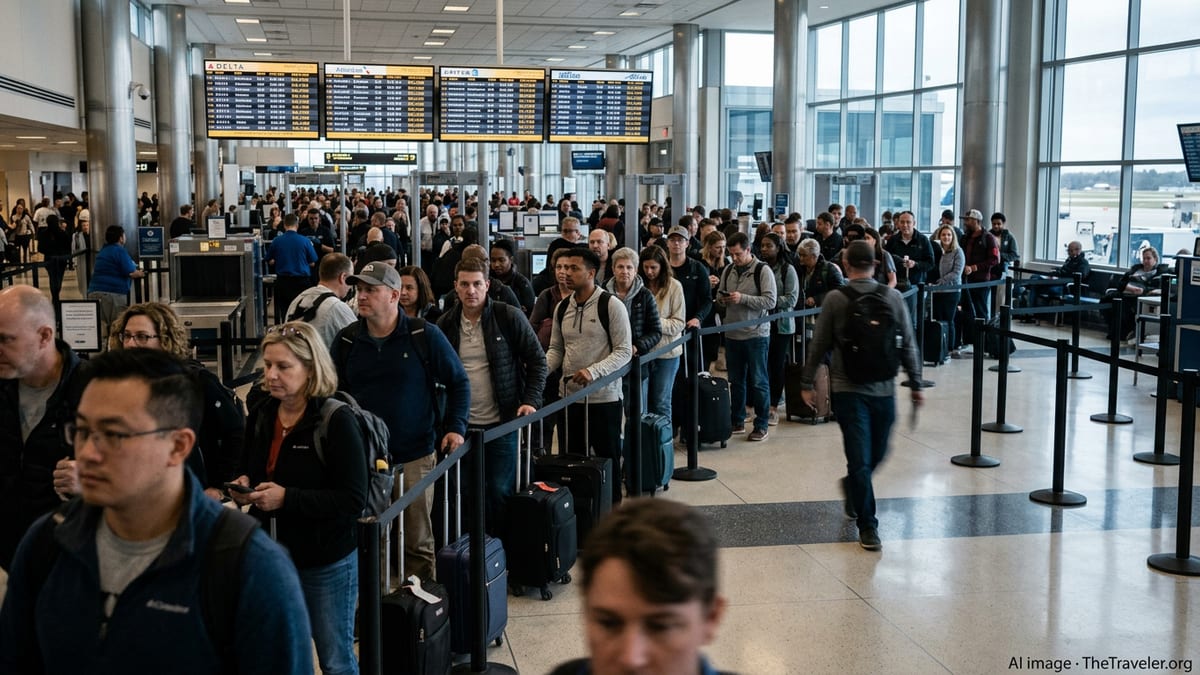
Delta Joins Major U.S. Airlines in Push to End TSA Shutdown
Comprehensive Summarization:
Delta Air Lines has joined several other major U.S. airlines in a collective plea to the Transportation Security Administration (TSA) to resolve the ongoing funding shutdown. This shutdown has led to significant disruptions at airports nationwide, including long lines at TSA checkpoints and increased staffing strains, which have contributed to widespread flight delays. The article highlights the cascading impact of these issues across major airports, underscoring the urgent need for the TSA to restore its funding to prevent further air travel chaos.
Key Points:
Actionable Takeaways:
Contextual Understanding:
The article reflects the current challenges faced by the U.S. air travel industry due to the TSA funding shutdown. This situation is part of a broader trend of operational pressures faced by airlines, exacerbated by the ongoing pandemic and subsequent travel restrictions. The emphasis on technological solutions and enhanced communication strategies aligns with current industry trends towards digital transformation and customer-centric approaches. Thought leaders in the travel sector have been advocating for the adoption of AI and automation to enhance operational efficiency and improve passenger experiences, even in the face of funding challenges.
Handling Different Article Types:
The article is a news brief, providing factual information about a significant industry event. The structured output format ensures that the key points and actionable takeaways are clearly presented, making it easy for readers to digest and act upon the information. The contextual insights integrate current industry trends, such as the increasing importance of technology in travel operations and the need for effective communication strategies, to provide a forward-looking perspective on the situation.
Read the Complete Article.
Experience the magic of the Nile aboard Kenzy Dahabeya, a luxury boutique sailing cruise that offers an unforgettable journey between...
Read moreDetails



