










Sail Through Time: Discover the Timeless Wonders of Upper Egypt Aboard Kenzy Dahabeya
Experience the magic of the Nile aboard Kenzy Dahabeya, a luxury boutique sailing cruise that offers an unforgettable journey between...
Read moreDetails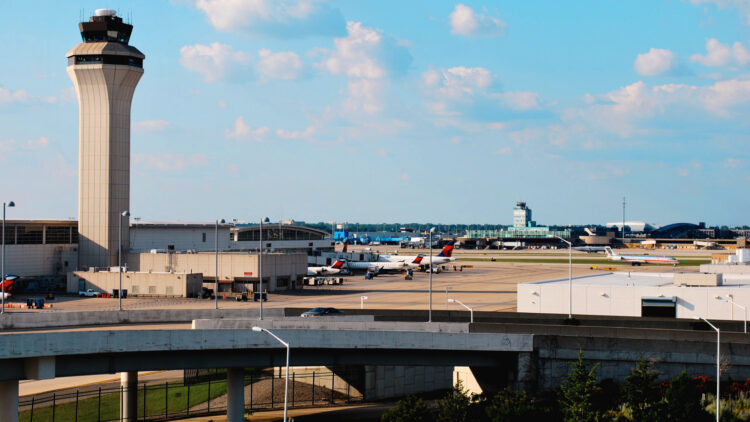
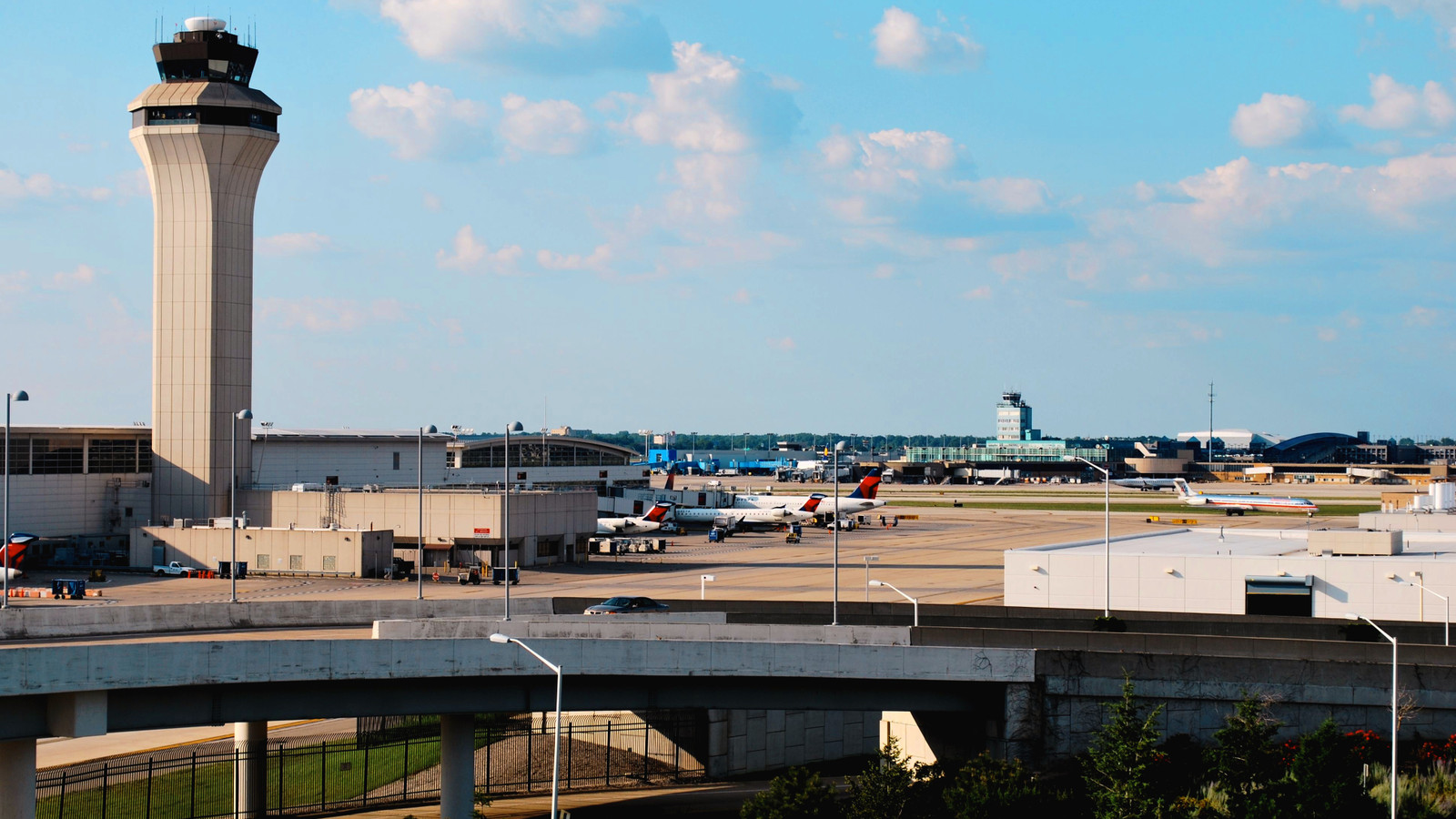
Detroit Metropolitan Airport, Delta Air Lines second major hub
Article Summary:
The article discusses a significant development in the travel industry as Detroit Metropolitan Wayne County Airport (DTW) in Michigan considers opening a cigar lounge. This proposal has sparked controversy among anti-smoking groups and travelers due to concerns over secondhand smoke. The article also references the Maldives’ recent decision to ban tobacco use for tourists and locals born after 2006, highlighting the polarized views on smoking within the travel sector.
Key Points:
Actionable Takeaways:
Contextual Insights:
The article reflects the ongoing debate within the travel industry regarding smoking policies, a topic that has seen significant shifts in recent years. The Maldives’ decision to ban tobacco use aligns with a global trend towards stricter smoking regulations, driven by health concerns and evolving consumer expectations. This trend is likely to influence other travel destinations to consider similar measures, impacting the design and operation of travel hubs like DTW. The proposed cigar lounge at DTW underscores the need for travel companies to balance regulatory compliance with consumer demand, potentially leading to innovative solutions such as designated smoking areas or smoke-free zones. As the industry continues to evolve, thought leaders emphasize the importance of adaptability and consumer-centric policies to navigate the complexities of smoking regulations in travel.
Read the Complete Article.
Experience the magic of the Nile aboard Kenzy Dahabeya, a luxury boutique sailing cruise that offers an unforgettable journey between...
Read moreDetails



