










Sail Through Time: Discover the Timeless Wonders of Upper Egypt Aboard Kenzy Dahabeya
Experience the magic of the Nile aboard Kenzy Dahabeya, a luxury boutique sailing cruise that offers an unforgettable journey between...
Read moreDetails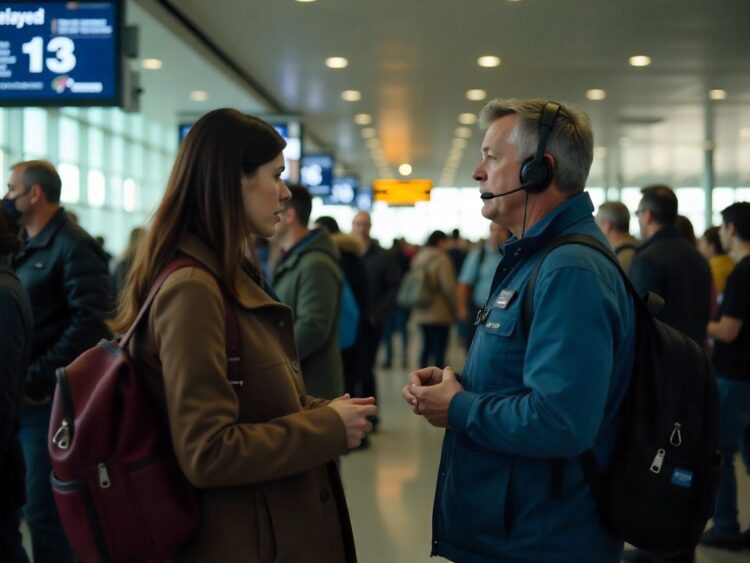
U.S. Government Shutdown Forces Delta, United, and Other Airlines to Slash Flights—Air Traffic Contr...
Article Summary:
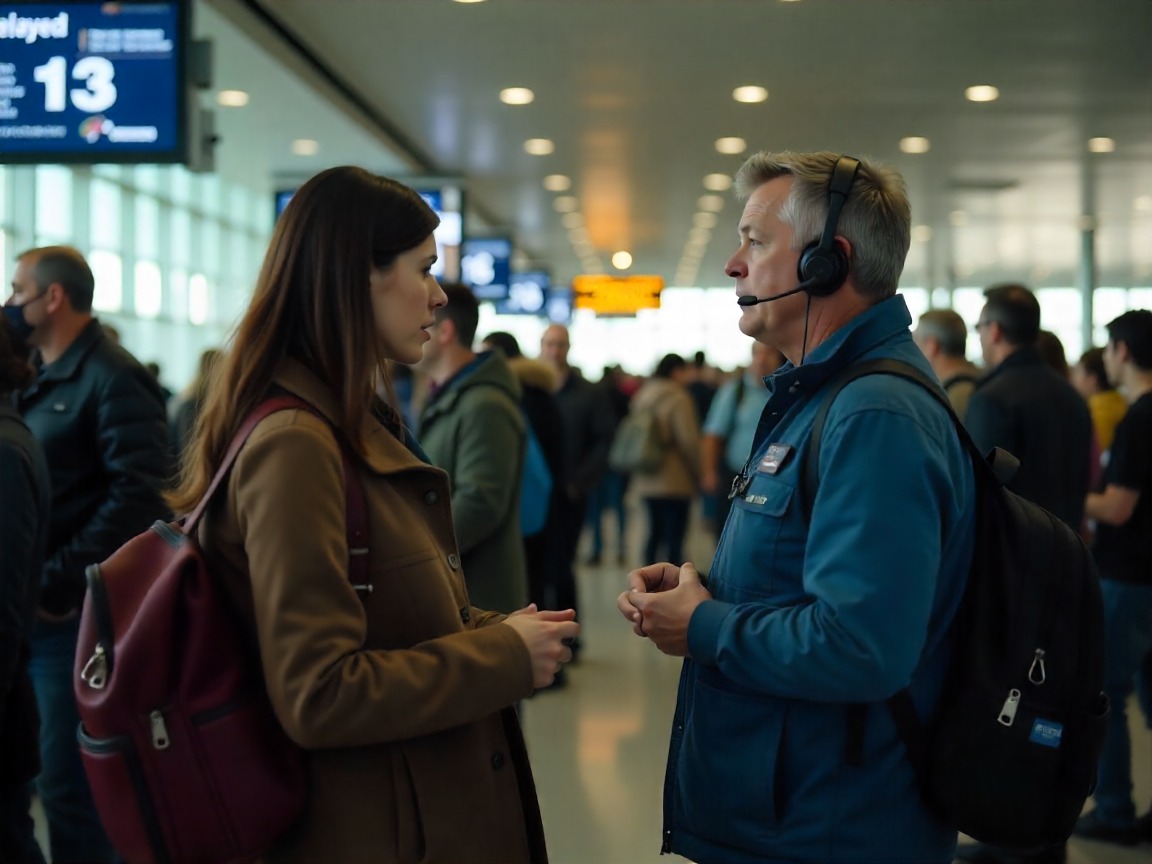
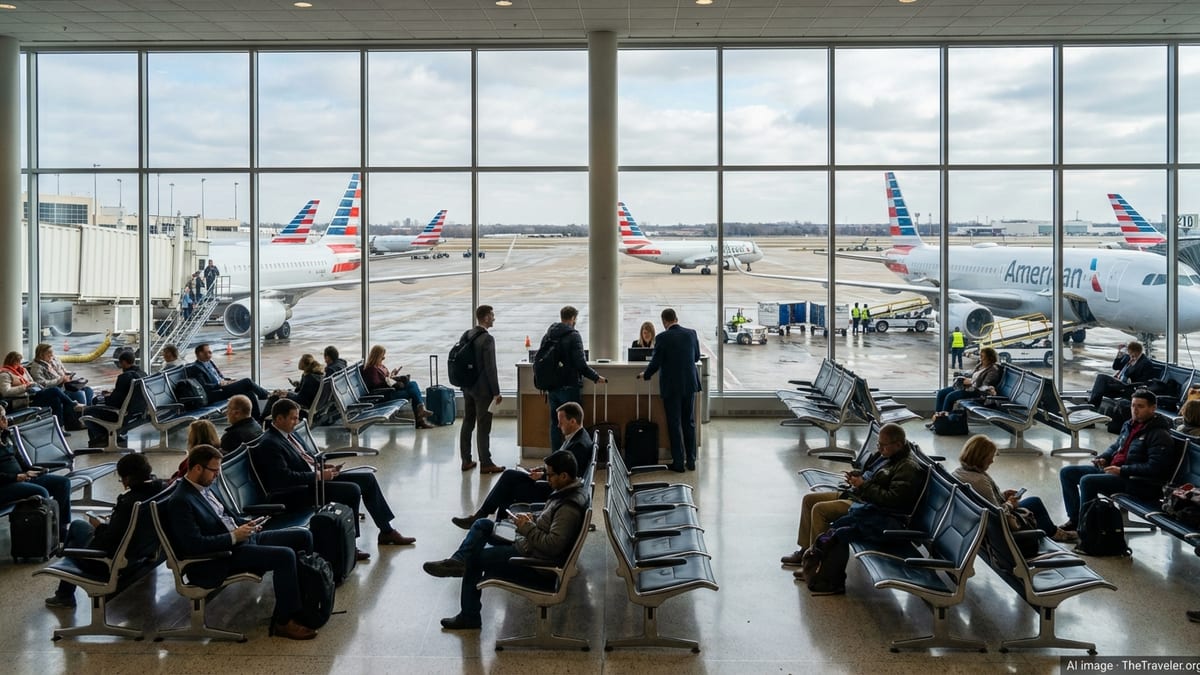
The U.S. government shutdown has significantly impacted the aviation industry, compelling major airlines such as Delta and United to reduce their flight schedules. This reduction in flights has led to substantial delays for global travelers, straining air traffic controllers due to the increased workload. The article highlights the challenges faced by the industry during this period of operational disruption.
Key Points:
Actionable Takeaways:
Contextual Insights:
The ongoing U.S. government shutdown underscores the vulnerability of the global travel industry to political and economic disruptions. This event highlights the critical role of air traffic controllers and the need for resilient operational strategies. As the industry continues to evolve, innovations in air traffic management and traveler communication will be crucial in maintaining operational efficiency and passenger satisfaction. The article also points to the broader implications for travel startups and fintech innovations, as companies seek to develop solutions that enhance resilience and adaptability in the face of such disruptions.
Read the Complete Article.
Experience the magic of the Nile aboard Kenzy Dahabeya, a luxury boutique sailing cruise that offers an unforgettable journey between...
Read moreDetails



