












Sail Through Time: Discover the Timeless Wonders of Upper Egypt Aboard Kenzy Dahabeya
Experience the magic of the Nile aboard Kenzy Dahabeya, a luxury boutique sailing cruise that offers an unforgettable journey between...
Read moreDetails
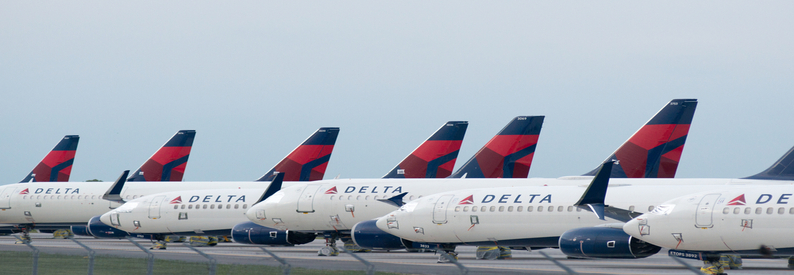
Delta’s Busiest Routes Led by Atlanta–Orlando
Article Summary:
Delta Air Lines reported carrying approximately 202 million passengers between September 2024 and August 2025, reinforcing its position as a dominant force in the U.S. domestic market. The Atlanta hub played a central role in this success, with 17 of Delta’s routes each handling over one million passengers during the 12-month period. Among these, the Atlanta–Orlando route stood out as the busiest, with 1.94 million passengers. This data underscores strong demand on key business and leisure corridors, highlighting the airline’s continued growth and the strategic importance of its Atlanta hub.
Key Points:
Actionable Takeaways:
Contextual Insights:
The article reflects the ongoing dominance of major airlines like Delta in the U.S. domestic market, driven by strategic hub management and route optimization. The Atlanta hub’s significance is underscored by its role in handling a substantial portion of Delta’s passenger traffic, indicating the strategic importance of central hubs in maintaining market leadership. This context aligns with broader industry trends towards hub-and-spoke models, which enhance operational efficiency and passenger flow. Furthermore, the focus on key routes highlights the importance of understanding and capitalizing on market demand patterns, a strategy that can inform both airlines and ancillary service providers in the travel sector. As the travel industry continues to evolve, insights from such data-driven analyses will be crucial for navigating emerging trends and maintaining competitive advantage.
Read the Complete Article.
Experience the magic of the Nile aboard Kenzy Dahabeya, a luxury boutique sailing cruise that offers an unforgettable journey between...
Read moreDetails



