











Comprehensive Summarization:
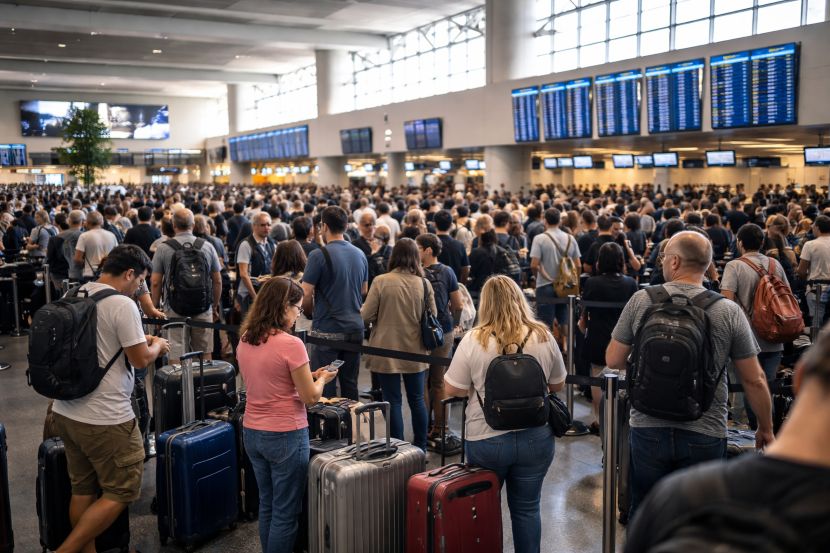
Fort Lauderdale-Hollywood International Airport (FLL) experienced significant travel disruptions on March 20, 2026, with a total of 211 flight delays and 5 cancellations. The disruptions were primarily caused by delays and cancellations from Spirit, JetBlue, and Delta Airlines. The affected flights spanned across major US cities including Miami, Orlando, and New York. The article highlights the impact on airline customers and the broader Florida airport ecosystem, underscoring the challenges faced by the travel industry in maintaining operational efficiency during such disruptions.
Key Points:
- Travel Disruptions at FLL: Fort Lauderdale-Hollywood International Airport faced a significant day with 211 flight delays and 5 cancellations due to delays and cancellations from Spirit, JetBlue, and Delta Airlines.
- Geographical Impact: The disruptions affected flights across major US cities, including Miami, Orlando, and New York, impacting both domestic and international travelers.
- Operational Challenges: The article emphasizes the operational challenges faced by airlines and the broader travel industry in managing such disruptions, particularly in a major hub like FLL.
Actionable Takeaways:
- Enhanced Communication Protocols: Airlines should implement enhanced communication protocols to promptly inform passengers about delays and cancellations. This can help manage passenger expectations and reduce the impact of disruptions on travel plans.
- Increased Operational Resilience: The incident underscores the need for airlines to invest in operational resilience, including backup staffing, flexible scheduling, and contingency plans to mitigate the impact of future disruptions.
- Focus on Customer Experience: Airlines should prioritize customer experience by providing alternative travel options, compensation, and support to affected passengers. This can help maintain customer loyalty and satisfaction during challenging times.
Contextual Insights:
The disruptions at FLL highlight the vulnerabilities in the current travel infrastructure, particularly in major hubs that handle a high volume of flights. This event is indicative of broader industry trends where technological advancements and operational efficiencies are crucial in managing unforeseen challenges. The incident also reflects the ongoing need for innovation in travel tech to improve real-time tracking, predictive analytics, and customer communication systems. As the travel industry continues to evolve, integrating these technologies can enhance operational efficiency and customer satisfaction, ultimately leading to a more resilient travel ecosystem.
Read the Complete Article.






