









Sail Through Time: Discover the Timeless Wonders of Upper Egypt Aboard Kenzy Dahabeya
Experience the magic of the Nile aboard Kenzy Dahabeya, a luxury boutique sailing cruise that offers an unforgettable journey between...
Read moreDetails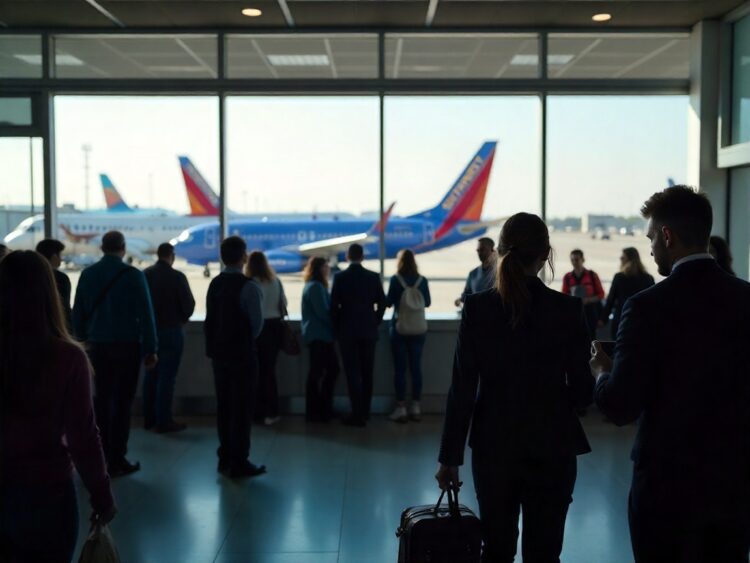
Southwest Airlines, Delta Air Lines, and American Airlines Prepare for Thanksgiving Travel Disruptio...
Article Summary:
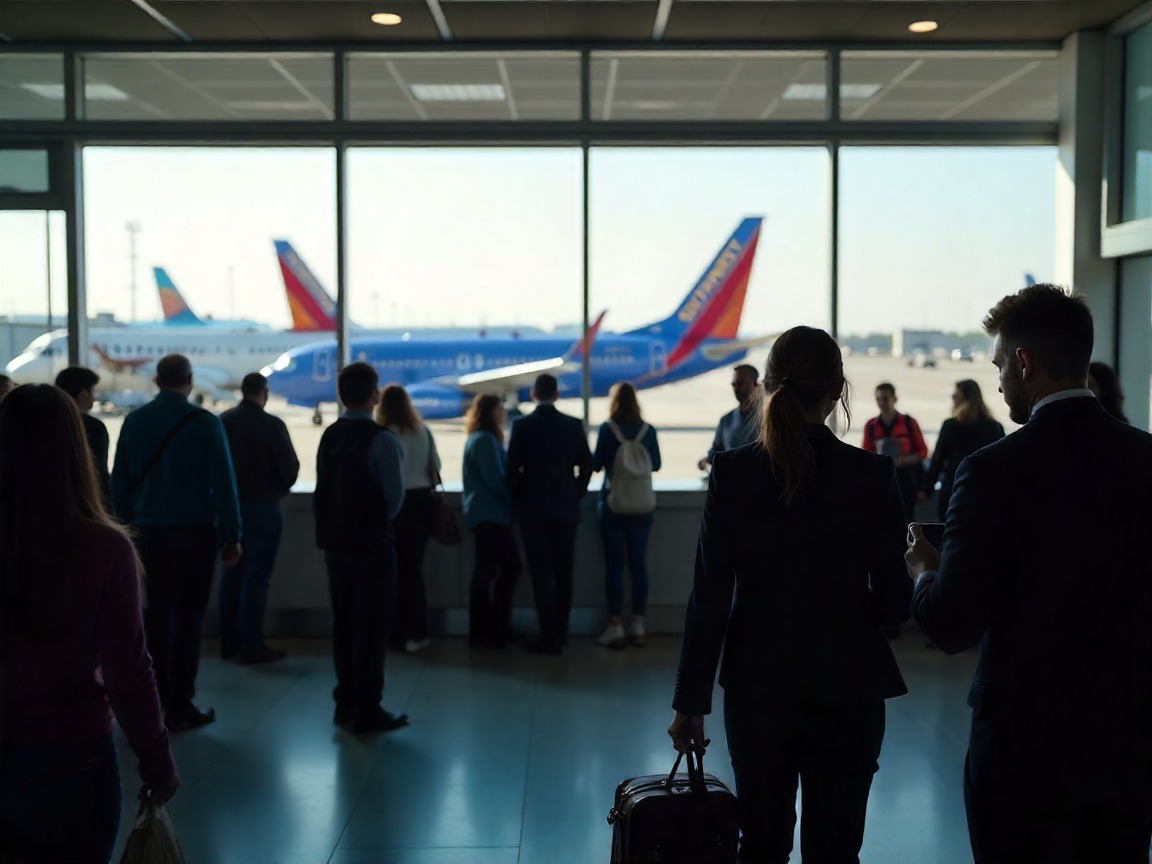
Southwest Airlines, Delta Air Lines, and American Airlines are preparing for significant Thanksgiving travel disruptions due to the Federal Aviation Administration (FAA) mandating a 4-6% reduction in flights at 40 major U.S. airports. This decision is a response to ongoing air-traffic-control staffing shortages, which are expected to impact travel plans for millions of passengers during the holiday travel season.
Key Points:
Actionable Takeaways:
Contextual Insights:
The current staffing shortages in air-traffic control are a critical issue that highlights the vulnerabilities within the aviation industry. This situation is exacerbated by the increasing demand for air travel, particularly during peak periods such as Thanksgiving. The industry must adapt to these challenges by investing in human resources and exploring innovative solutions to ensure smooth operations. Furthermore, the impact on travel disruptions underscores the importance of robust contingency planning and communication strategies within the travel sector. As the industry continues to evolve, staying ahead of such challenges will be crucial for maintaining passenger trust and satisfaction.
Read the Complete Article.
Experience the magic of the Nile aboard Kenzy Dahabeya, a luxury boutique sailing cruise that offers an unforgettable journey between...
Read moreDetails



