











Sail Through Time: Discover the Timeless Wonders of Upper Egypt Aboard Kenzy Dahabeya
Experience the magic of the Nile aboard Kenzy Dahabeya, a luxury boutique sailing cruise that offers an unforgettable journey between...
Read moreDetails
Travellers Grounded at Baltimore/Washington Intl as Southwest, Spirit, Delta, and United Face 136 Ca...
Comprehensive Summarization:
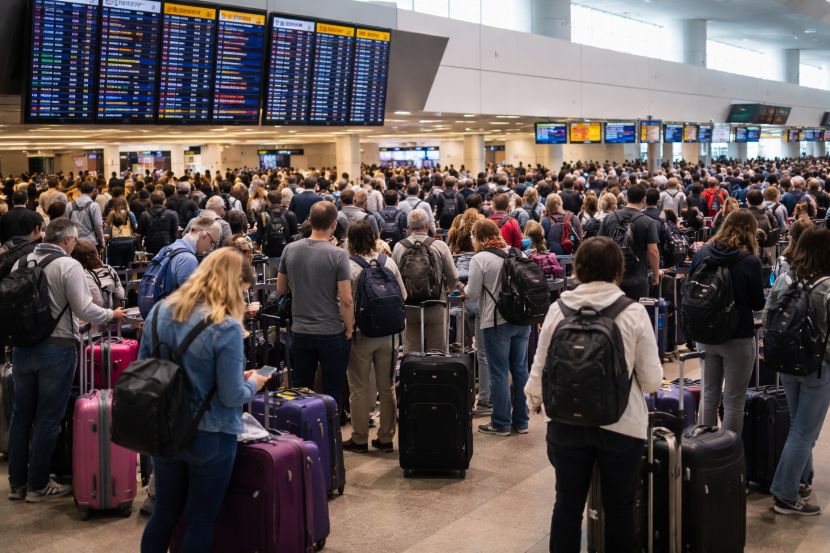
Baltimore/Washington International Thurgood Marshall Airport (BWI) is currently facing operational challenges that are resulting in a significant number of flight cancellations and delays. Specifically, Southwest, Spirit, Delta, and United airlines are among those affected, with a total of 136 cancellations and 25 delays impacting flights to and from Baltimore, Washington D.C., and major US cities. This disruption is not only affecting travelers but also has broader implications for local tourism businesses that rely on air travel for visitors. The article, published on February 24, 2026, highlights the immediate impact on passengers and the local economy, underscoring the vulnerabilities in the airline industry’s operational resilience.
Key Points:
Actionable Takeaways:
Enhanced Operational Resilience: Airlines should invest in robust operational planning and contingency strategies to mitigate the impact of unforeseen disruptions. This includes diversifying their fleet and crew management to ensure flexibility in response to unexpected events.
Collaborative Problem-Solving: The travel industry should foster stronger collaboration between airlines, airports, and local tourism businesses to develop shared contingency plans. This collaboration can help in quickly reallocating resources and adjusting schedules to minimize the impact on both travelers and local economies.
Investment in Technology: Leveraging advanced travel tech solutions, such as real-time flight tracking and predictive analytics, can improve operational efficiency and passenger communication during disruptions. These technologies can provide travelers with accurate updates and help airlines manage their operations more effectively.
Contextual Understanding:
The article reflects current challenges within the travel industry, particularly in managing operational disruptions that can have cascading effects on both travelers and local economies. The focus on Southwest, Spirit, Delta, and United airlines highlights the interconnected nature of the airline industry, where issues at one carrier can propagate to others and affect a broader range of flights. This situation underscores the importance of technological advancements and collaborative efforts within the industry to enhance resilience against such disruptions. Furthermore, the timing of the article, published on February 24, 2026, suggests that these operational challenges are part of ongoing issues that the industry is currently grappling with, emphasizing the need for proactive measures to address such vulnerabilities.
Handling Different Article Types:
The article in question is a news blurb, providing factual information about a recent operational issue at BWI. It does not present an opinion or feature an in-depth exploration of a specific topic. Therefore, the analysis and insights provided are strictly based on the factual content presented, ensuring accuracy and relevance to the professional audience of travel industry stakeholders.
Read the Complete Article.
Experience the magic of the Nile aboard Kenzy Dahabeya, a luxury boutique sailing cruise that offers an unforgettable journey between...
Read moreDetails



