








Sail Through Time: Discover the Timeless Wonders of Upper Egypt Aboard Kenzy Dahabeya
Experience the magic of the Nile aboard Kenzy Dahabeya, a luxury boutique sailing cruise that offers an unforgettable journey between...
Read moreDetails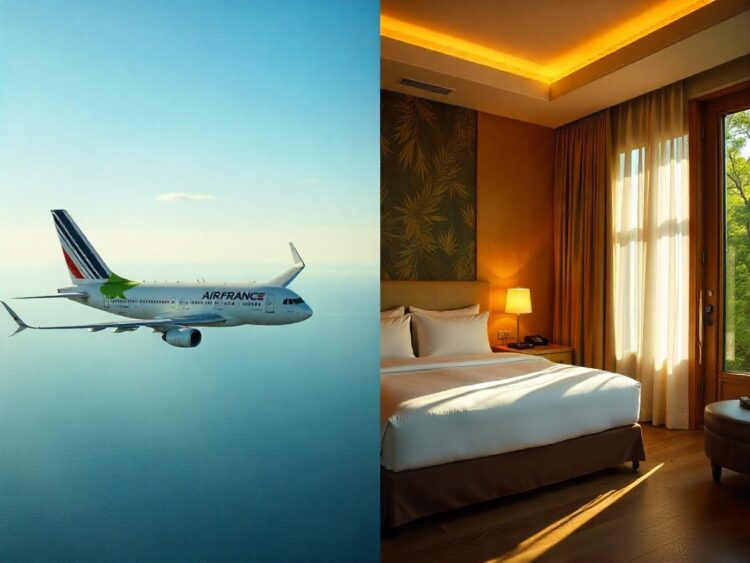
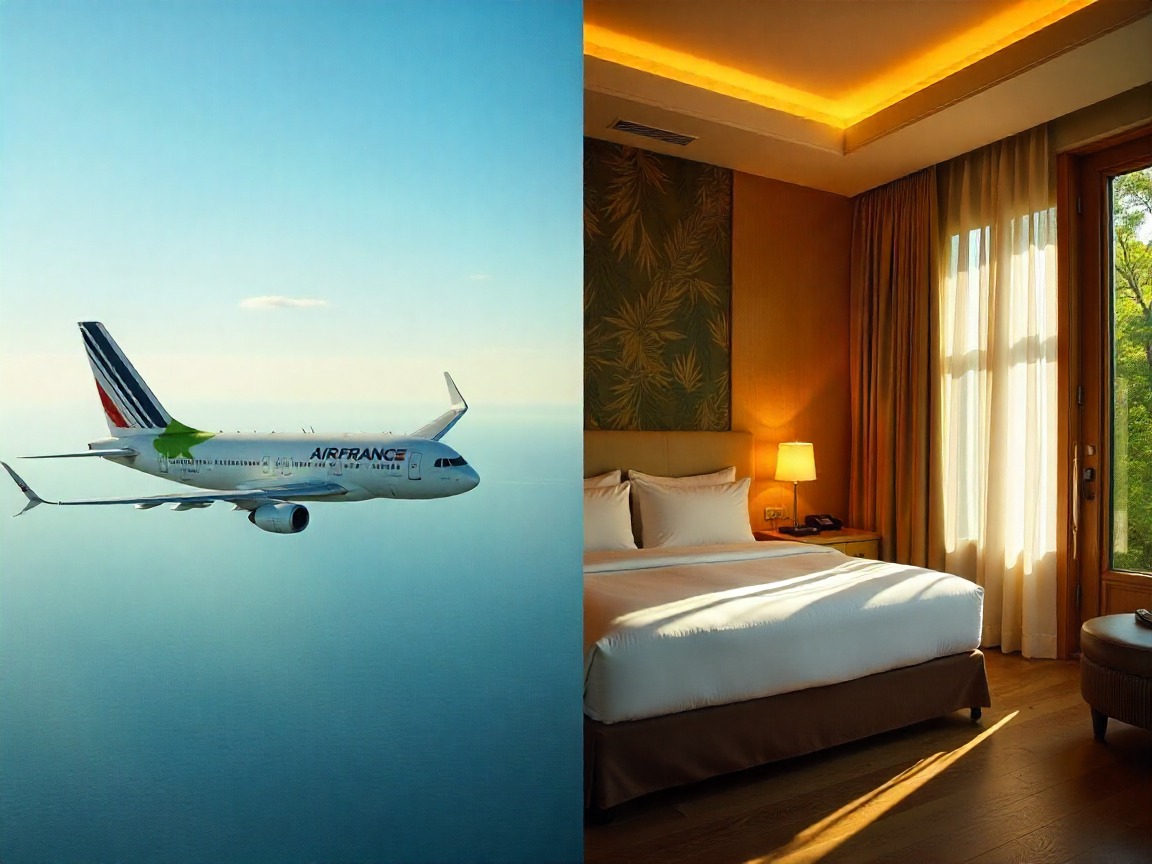
United Airlines, Delta, and Air France Race Towards Net-Zero Emissions – But Are Marriott and Hilton...
Article Summary:
United Airlines, Delta, and Air France are aggressively pursuing net-zero emissions in response to the growing emphasis on sustainability within the travel industry. This initiative is part of a broader trend where both airlines and hotels, including Marriott and Hilton, are implementing green hotel initiatives. However, the article raises the question of whether these hotel initiatives are sufficient to keep pace with the rapid advancements and commitments made by the airlines. The focus on sustainability is not only a response to consumer demand but also a strategic move to align with global environmental goals and regulatory pressures.
Key Points:
Actionable Takeaways:
Contextual Insights:
The article reflects the current industry trend where sustainability is becoming a critical differentiator in the travel sector. With airlines and hotels both making significant commitments to reduce their carbon footprints, the focus on net-zero emissions is indicative of a broader industry-wide shift towards environmental responsibility. This trend is supported by increasing consumer demand for eco-friendly travel options and regulatory pressures to reduce emissions in the aviation and hospitality sectors. Looking ahead, the integration of sustainable technologies and the establishment of collaborative industry standards will be crucial in driving further advancements in sustainability. Thought leaders predict that companies that proactively invest in green initiatives and adhere to emerging sustainability standards will not only contribute to global environmental goals but also enhance their brand reputation and market competitiveness.
Read the Complete Article.
Experience the magic of the Nile aboard Kenzy Dahabeya, a luxury boutique sailing cruise that offers an unforgettable journey between...
Read moreDetails



