










Sail Through Time: Discover the Timeless Wonders of Upper Egypt Aboard Kenzy Dahabeya
Experience the magic of the Nile aboard Kenzy Dahabeya, a luxury boutique sailing cruise that offers an unforgettable journey between...
Read moreDetails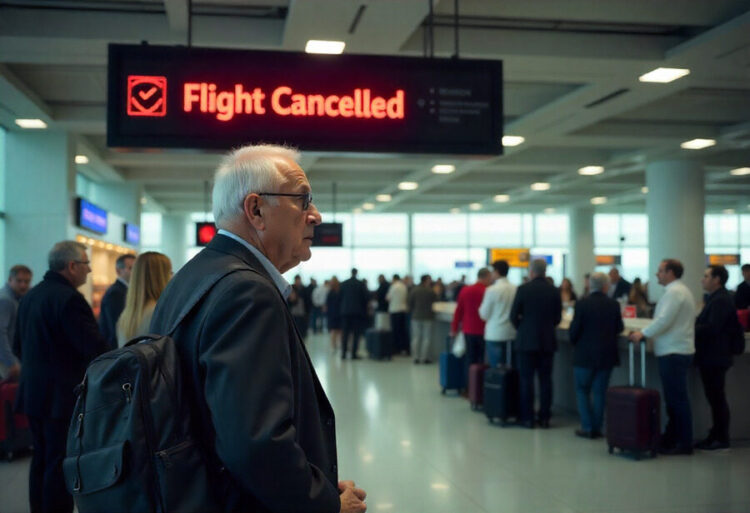
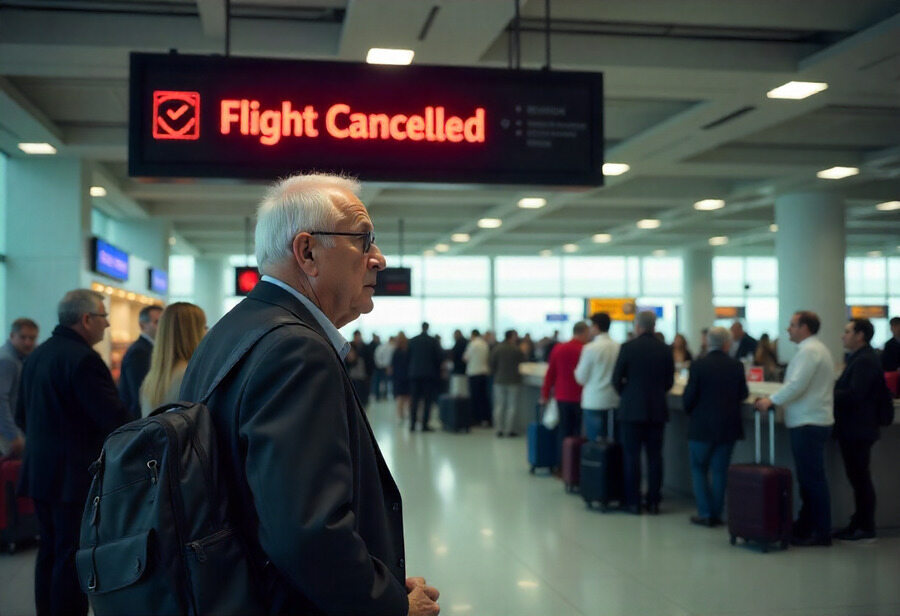
US Travel Crisis Continues as JetBlue, SkyWest, American, Delta, Republic and More Cancel 595 Flight...
Article Summary:
The US travel crisis continues as major airlines such as JetBlue, SkyWest, American, Delta, and Republic cancel 595 flights and delay 9,152 flights, causing significant disruption at airports including Peoria, Rochester, Evansville, Appleton, and others. This article, published on December 2, 2025, highlights the ongoing challenges faced by the travel industry amidst these cancellations and delays.
Key Points:
Actionable Takeaways:
Contextual Insights:
The ongoing US travel crisis reflects broader challenges faced by the global travel industry, including the impact of weather conditions, operational inefficiencies, and external disruptions. Recent trends indicate a growing emphasis on digital transformation within the travel sector, with airlines increasingly adopting advanced technologies to enhance operational efficiency and customer experience. Thought leaders emphasize the importance of leveraging data analytics and AI to predict and mitigate disruptions, ensuring that airlines can adapt swiftly to changing circumstances. This article underscores the critical need for airlines to innovate and collaborate, positioning them to navigate future challenges more effectively and maintain their competitive edge in an evolving market.
Read the Complete Article.
Experience the magic of the Nile aboard Kenzy Dahabeya, a luxury boutique sailing cruise that offers an unforgettable journey between...
Read moreDetails



