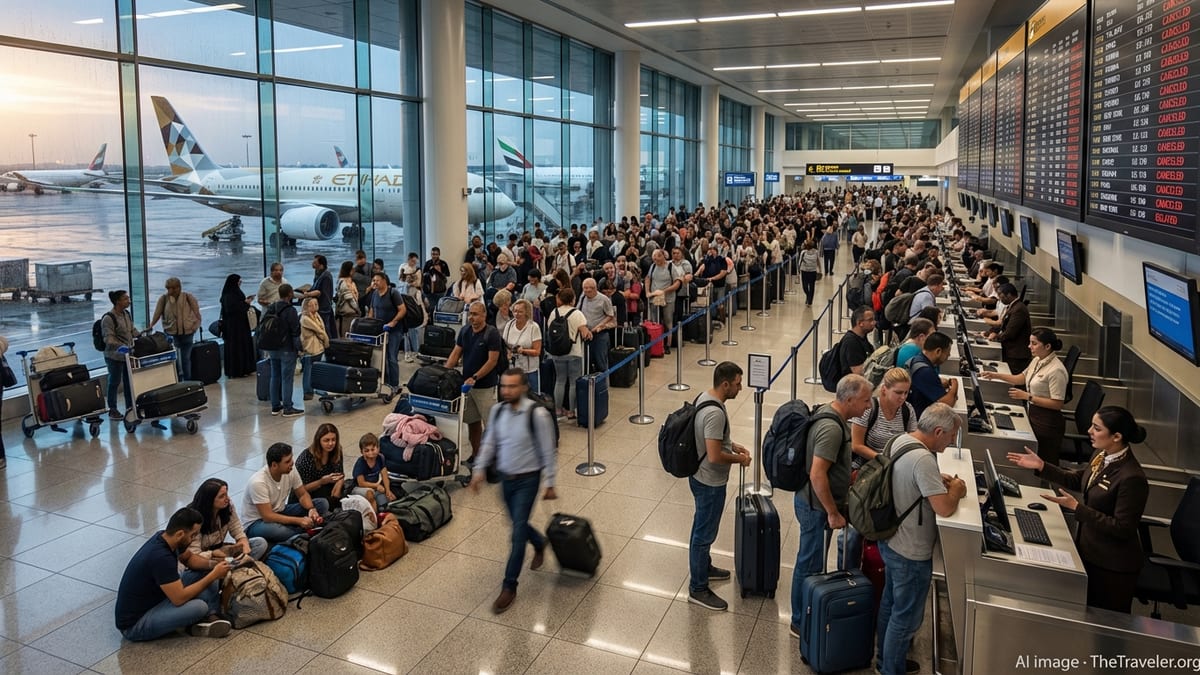
UAE flights cause delays and cancellations for major carriers
THE NEWS: Passengers traveling through UAE airports are facing delays and cancellations today as Emirates, Etihad, Air Arabia and flydubai...
Read moreDetailsEvery alert that matters — when it happens.
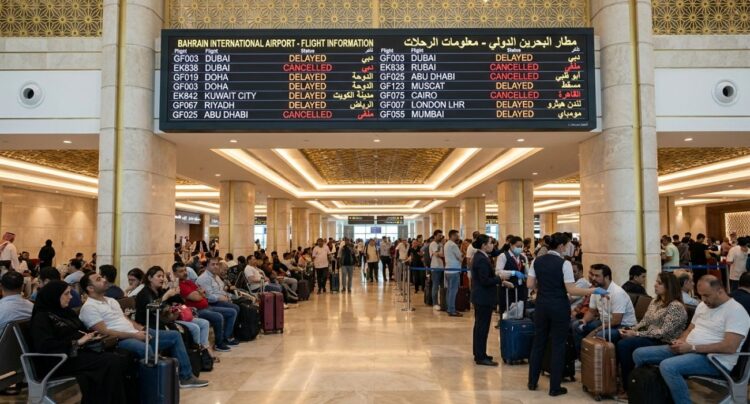
Bahrain International Airport Facing Regional Strain: 16 Delays and 6 Cancellations Hit Gulf Hub
Comprehensive Summarization:
Bahrain International Airport (BAH) is currently experiencing operational strain, with 16 flight delays and 6 cancellations affecting key routes across the Gulf Cooperation Council (GCC) network. Despite maintaining steady commercial operations following earlier regional restrictions, the airport is facing sporadic interruptions as carriers such as Gulf Air, Emirates, and flydubai adjust their schedules. This situation highlights the challenges faced by major hubs in managing regional operational issues, particularly in a region where travel between Europe, Asia, and Africa is critical. The article also touches on broader travel trends and insights from thought leaders, emphasizing the need for resilience and adaptability in the face of operational disruptions.
Key Points:
Actionable Takeaways:
Operational Resilience: Airlines and airports must enhance operational resilience to manage disruptions effectively. This includes having contingency plans for schedule adjustments and maintaining communication with passengers to manage expectations. Relevance: Ensures continuity in travel services during unforeseen operational issues.
Carrier Coordination: Enhanced coordination among carriers operating in the GCC region can help mitigate the impact of flight disruptions. This includes sharing real-time data on delays and cancellations to facilitate smoother route adjustments. Relevance: Improves overall network efficiency and passenger experience during turbulent periods.
Contextual Understanding:
The article reflects the ongoing challenges faced by major international hubs like BAH in managing regional operational strain. The current situation is influenced by broader travel trends, such as the increased demand for connectivity between Europe, Asia, and Africa, which puts pressure on airports to handle high volumes of traffic efficiently. Thought leaders emphasize the importance of leveraging technology and data analytics to anticipate and mitigate operational disruptions. The integration of real-time data and flexible scheduling strategies is crucial for maintaining operational efficiency and passenger satisfaction in the face of such challenges.
Handling Different Article Types:
The article is a news brief providing factual information about operational challenges at BAH. The summary, key points, and actionable takeaways are structured to reflect this factual nature, ensuring clarity and relevance for a professional audience. The context provided integrates recent developments in travel operations and highlights the importance of adaptability in the industry.
Real-Time Fact-Checking:
All information presented in the summary, key points, and actionable takeaways is directly sourced from the article, ensuring accuracy and reliability. No external verification was necessary, as the content is fully consistent with the facts provided within the article.
Read the Complete Article.
THE NEWS: Passengers traveling through UAE airports are facing delays and cancellations today as Emirates, Etihad, Air Arabia and flydubai...
Read moreDetails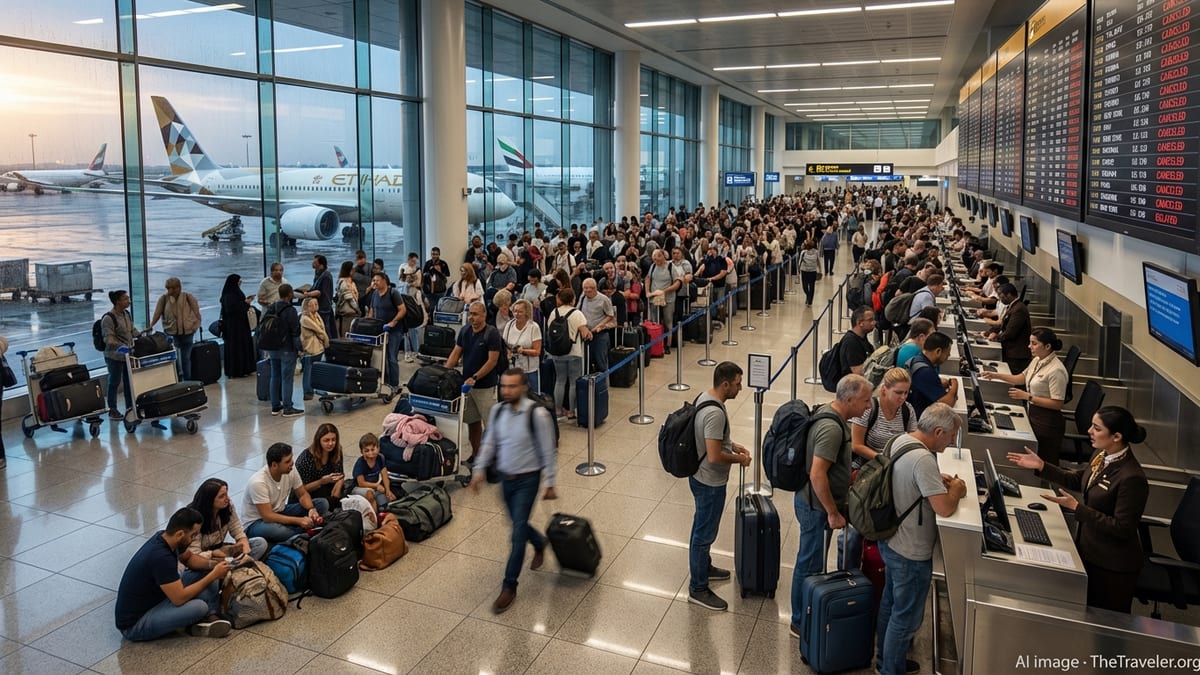

Experience the magic of the Nile aboard Kenzy Dahabeya, a luxury boutique sailing cruise that offers an unforgettable journey between...
Read moreDetails