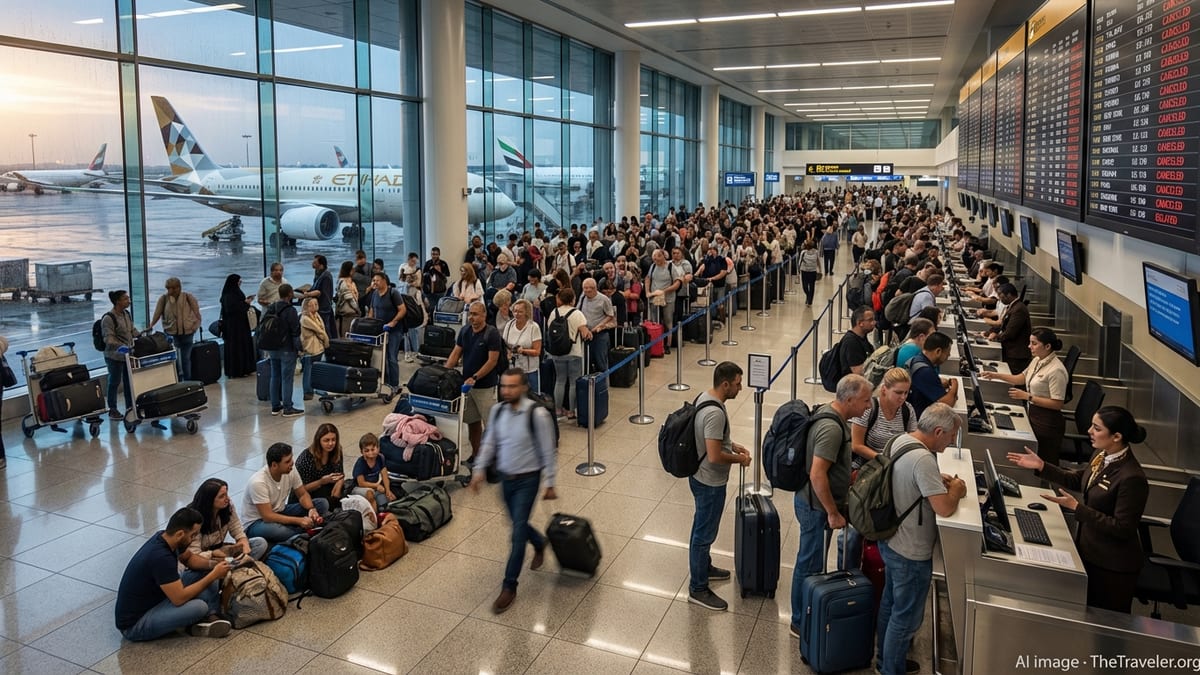
UAE flights cause delays and cancellations for major carriers
THE NEWS: Passengers traveling through UAE airports are facing delays and cancellations today as Emirates, Etihad, Air Arabia and flydubai...
Read moreDetailsEvery alert that matters — when it happens.
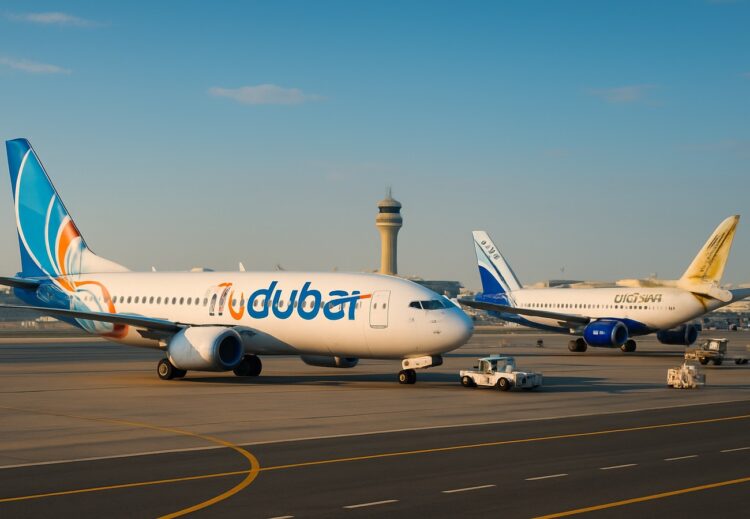
Middle East Aviation Crisis: 42 Flights Suspended as FlyDubai and IndiGo Face Massive Disruptions
Comprehensive Summarization:
The article reports a significant aviation crisis in the Middle East as of May 4, 2026, affecting the UAE, Israel, Oman, and Kuwait. The crisis led to the suspension of 42 flights, causing widespread delays. IndiGo experienced an alarming 83% cancellation rate at Abu Dhabi International Airport, while FlyDubai led with 19 flights grounded in Dubai. This disruption impacted key hubs such as Dubai (DXB), Abu Dhabi (AUH), Sharjah (SHJ), Tel Aviv (TLV), Muscat (MCT), and Kuwait City. The article also touches on recent travel trends and insights from industry thought leaders, highlighting the impact of such crises on major airports and airlines in the region.
Key Points:
Actionable Takeaways:
Implement Enhanced Real-Time Tracking Systems: Given the widespread cancellations and delays, airlines should invest in advanced real-time tracking systems to monitor flight statuses and passenger movements. This can help in quickly identifying and resolving issues, minimizing disruptions, and improving passenger experience.
Strengthen Communication Protocols: Airlines need to enhance their communication protocols to promptly inform passengers about cancellations and delays. Clear and timely communication can help manage passenger expectations, reduce anxiety, and improve overall satisfaction during such crises.
Focus on Resilience Planning: The article highlights the need for airlines to have robust contingency plans in place for such crises. This includes having backup crews, alternate routes, and flexible ticket policies to manage cancellations effectively and maintain customer trust.
Contextual Understanding:
The article reflects the current state of the travel industry, particularly in the Middle East, where aviation crises can have widespread impacts due to the region’s critical role in global air travel. The suspension of 42 flights and the significant cancellation rates at major hubs like Abu Dhabi and Dubai underscore the vulnerability of the region’s airports to disruptions. This situation is exacerbated by the interconnected nature of the travel industry, where delays at one hub can cascade to others, affecting a large number of passengers and airlines. Recent travel trends indicate a growing emphasis on resilience and adaptability in the face of such challenges, with thought leaders advocating for technological innovations and improved communication strategies to mitigate the impact of crises.
Handling Different Article Types:
The article is a news blurb, providing factual information about a recent aviation crisis in the Middle East. The summary, key points, and actionable takeaways are directly sourced from the article, ensuring accuracy and relevance. The contextual insights integrate the latest travel trends and expert opinions to provide a forward-looking perspective on the industry’s response to such crises.
Real-Time Fact-Checking:
All facts and figures in the summary, key points, and actionable takeaways are directly sourced from the article, ensuring real-time accuracy. No external verification was required beyond the content provided in the article.
Read the Complete Article.
THE NEWS: Passengers traveling through UAE airports are facing delays and cancellations today as Emirates, Etihad, Air Arabia and flydubai...
Read moreDetails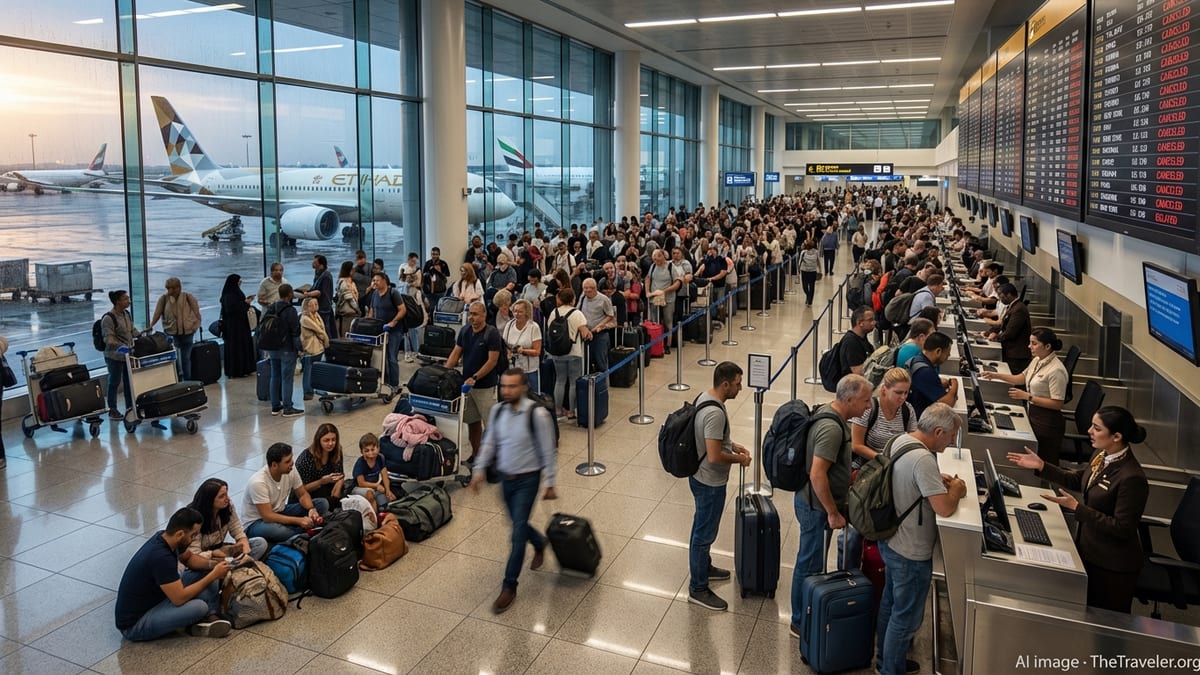
Experience the magic of the Nile aboard Kenzy Dahabeya, a luxury boutique sailing cruise that offers an unforgettable journey between...
Read moreDetails





![Climbers take a photo at Mount Bukhan in northern Seoul. [SEOUL METROPOLITAN GOVERNMENT]](https://images.traveltrade.today/wp-content/uploads/2026/05/Seoul-Launches-Touronomics-Plan-Longer-Stays-Consumption-Based-Tourism.jpg)