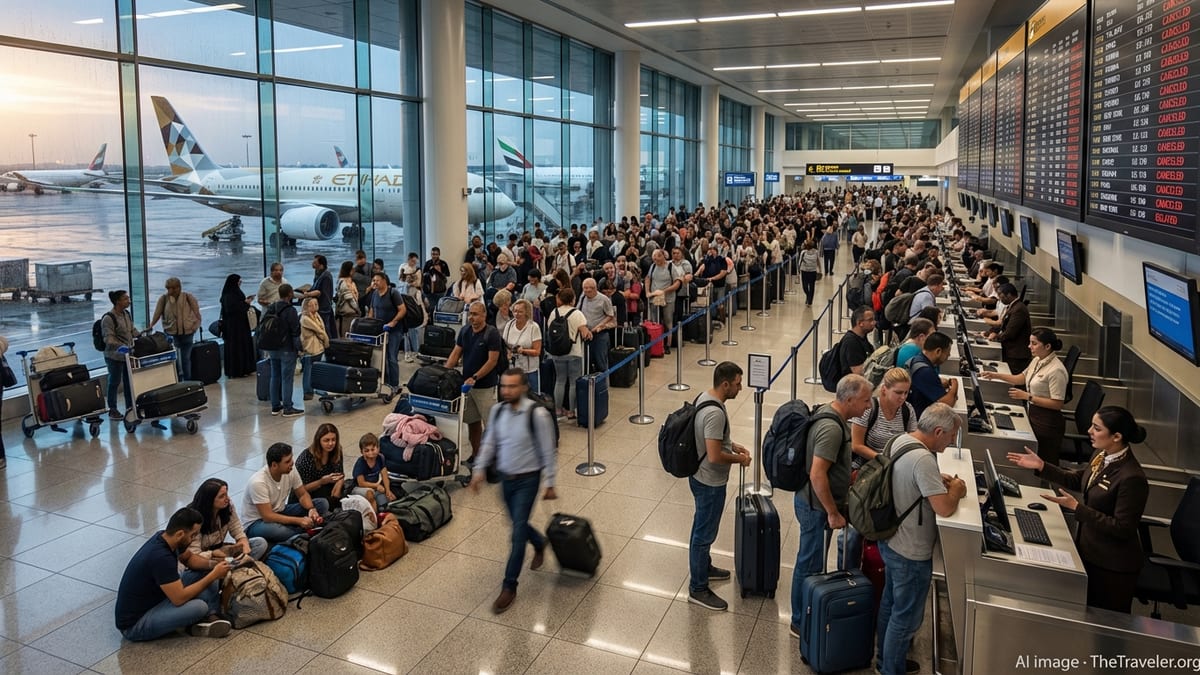
UAE flights cause delays and cancellations for major carriers
THE NEWS: Passengers traveling through UAE airports are facing delays and cancellations today as Emirates, Etihad, Air Arabia and flydubai...
Read moreDetailsEvery alert that matters — when it happens.

Comprehensive Summarization:
Oman Air, Flydubai, and Air Arabia have experienced disruptions in their flights across Oman, particularly in Muscat and Salalah. This includes the cancellation of routes to Dubai, Sharjah, and other destinations, significantly impacting travel corridors in the region. The article highlights the broader implications of these disruptions on regional travel, emphasizing the ripple effects on travel and tourism in Oman and the surrounding areas. The disruptions are likely to affect not only the airlines involved but also the broader travel ecosystem, including tour operators, hotels, and other service providers dependent on these flight routes.
Key Points:
Actionable Takeaways:
Proactive Communication with Travelers: Airlines and travel agencies should enhance communication strategies to promptly inform passengers about flight cancellations and provide alternative travel options. This proactive approach can help mitigate passenger frustration and maintain trust in the travel service providers.
Diversify Travel Itineraries: Travel planners and tour operators should encourage diversification of travel itineraries to minimize dependency on specific airlines or routes. By offering alternative routes or modes of transportation, businesses can reduce the risk of significant disruptions affecting their clients’ travel plans.
Invest in Resilient Travel Tech Solutions: The article highlights the importance of robust travel technology solutions in managing disruptions. Investing in advanced travel management systems, real-time flight tracking, and flexible booking options can help airlines and travel businesses adapt quickly to disruptions, ensuring smoother operations and enhanced customer satisfaction.
Contextual Insights:
The disruptions in Oman Air, Flydubai, and Air Arabia flights reflect broader challenges faced by the travel industry, particularly in regions heavily reliant on air connectivity. Recent events, such as the global pandemic and geopolitical tensions, have underscored the vulnerabilities in air travel networks. Technological advancements, such as AI-driven predictive analytics and automated customer support systems, are becoming increasingly crucial in managing such disruptions efficiently. As the travel industry continues to evolve, the integration of innovative solutions and a focus on resilience will be key to navigating future challenges. The current disruptions serve as a reminder of the need for continuous adaptation and strategic planning to ensure the stability and growth of the travel sector.
Read the Complete Article.
THE NEWS: Passengers traveling through UAE airports are facing delays and cancellations today as Emirates, Etihad, Air Arabia and flydubai...
Read moreDetails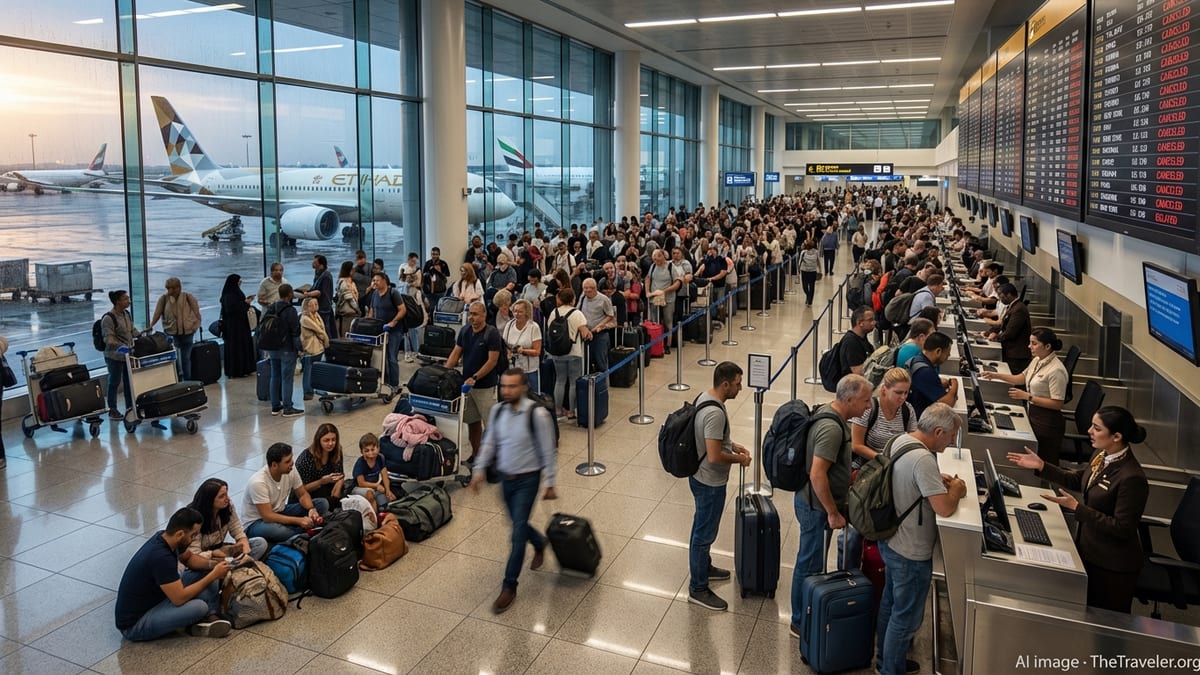
Experience the magic of the Nile aboard Kenzy Dahabeya, a luxury boutique sailing cruise that offers an unforgettable journey between...
Read moreDetails