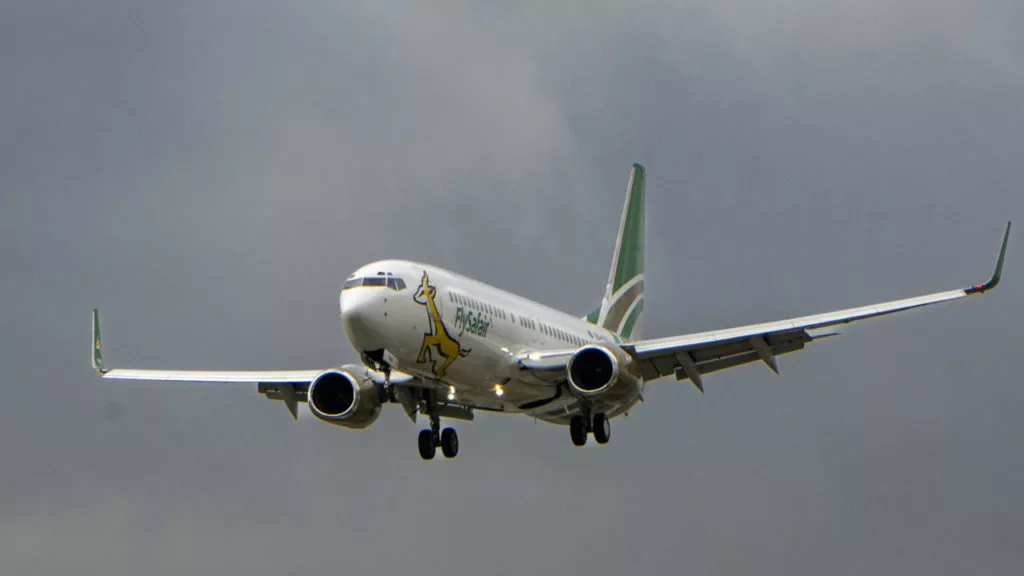
South Africa’s FlySafair meets ATNS to settle ongoing tiff
THE NEWS: FlySafair and South Africa's Air Traffic and Navigation Services (ATNS) met on July 24 to discuss a public dispute...
Read moreDetailsEvery alert that matters — when it happens.

FlySafair says capacity cuts are seasonal, not permanent route changes
Comprehensive Summarization:
The article discusses FlySafair, a low-cost carrier in South Africa, which is refuting rumors of route cuts or shrinking demand due to recent schedule adjustments. The airline attributes these changes to a predictable post-holiday recalibration of its network, rather than a slowdown in demand. This narrative is crucial in a market where such rumors can significantly impact consumer confidence and airline performance. The context provided highlights the importance of accurate communication in travel, especially during periods of fluctuating demand, and the strategic importance of FlySafair in maintaining its market position amidst seasonal changes.
Key Points:
Actionable Takeaways:
Transparent Communication in Travel: Companies should prioritize clear and transparent communication during periods of schedule changes or demand fluctuations. This approach helps manage consumer expectations and maintains trust, which is crucial for brand reputation and customer loyalty in the travel industry.
Seasonal Adjustments as a Strategic Tool: FlySafair’s strategy of recalibrating its network post-holiday demonstrates the effectiveness of using seasonal trends as a strategic tool. Travel companies can leverage similar insights to optimize their operations and adapt to market conditions, potentially improving operational efficiency and customer satisfaction.
Contextual Insights:
The article reflects a broader trend in the travel industry where carriers are increasingly adopting data-driven strategies to manage demand fluctuations. The emphasis on post-holiday recalibration aligns with the seasonal nature of travel, where demand typically peaks during holidays and declines afterward. This insight underscores the importance of leveraging seasonal patterns to inform operational decisions, such as adjusting flight schedules, pricing strategies, and resource allocation. Furthermore, the article highlights the significance of maintaining consumer trust through transparent communication, a critical factor in the travel sector where perceptions can quickly influence travel behavior. As the industry continues to evolve with technological advancements and changing consumer expectations, the ability to adapt and communicate effectively will remain a key competitive advantage.
Read the Complete Article.
THE NEWS: FlySafair and South Africa's Air Traffic and Navigation Services (ATNS) met on July 24 to discuss a public dispute...
Read moreDetails
Experience the magic of the Nile aboard Kenzy Dahabeya, a luxury boutique sailing cruise that offers an unforgettable journey between...
Read moreDetails