









Sail Through Time: Discover the Timeless Wonders of Upper Egypt Aboard Kenzy Dahabeya
Experience the magic of the Nile aboard Kenzy Dahabeya, a luxury boutique sailing cruise that offers an unforgettable journey between...
Read moreDetails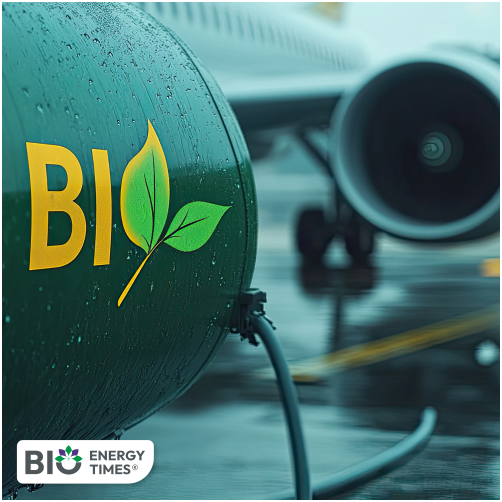
DHL and IAG Cargo sign five-year SAF deal covering 240 million litres at London Heathrow
Comprehensive Summarization:
DHL Group has extended its sustainable aviation fuel (SAF) partnership with IAG Cargo, the cargo division of International Airlines Group (IAG), through a new five-year agreement. This agreement, along with a previous deal renewed in 2025, will enable approximately 240 million liters of SAF to be uplifted at London Heathrow Airport. The expansion aims to reduce the lifecycle greenhouse gas emissions associated with air travel. The article also touches on the broader travel industry trends and insights from thought leaders, highlighting the growing importance of sustainable practices in aviation.
Key Points:
Actionable Takeaways:
Increased Adoption of Sustainable Aviation Fuel: The expansion of the SAF partnership between DHL Group and IAG Cargo signifies a significant step towards reducing the carbon footprint of air travel. Airlines and logistics companies should consider investing in SAF to align with global sustainability goals and meet regulatory requirements.
Market Demand for Sustainable Solutions: The commitment to SAF highlights a growing market demand for sustainable aviation solutions. Travel companies and startups in the aviation sector should explore partnerships and innovations in SAF production to capitalize on this trend and meet consumer expectations for eco-friendly travel options.
Regulatory Compliance and Future Trends: As regulatory bodies worldwide push for lower emissions in the aviation industry, companies must stay ahead of compliance requirements. Investing in sustainable technologies like SAF can provide a competitive edge and ensure long-term viability in a rapidly evolving market.
Contextual Insights:
The article reflects the ongoing shift in the travel industry towards sustainability, driven by both regulatory pressures and consumer demand for eco-friendly options. The expansion of SAF partnerships at major airports like London Heathrow underscores the industry’s commitment to reducing its environmental impact. This trend is likely to influence future travel technologies, with startups focusing on innovative solutions such as biofuels, electric aircraft, and carbon offset programs. Thought leaders emphasize that embracing sustainable practices not only mitigates environmental risks but also enhances brand reputation and customer loyalty in a competitive market. As the industry continues to evolve, companies that proactively adopt sustainable practices will be better positioned to thrive amidst changing regulatory landscapes and consumer preferences.
Read the Complete Article.
Experience the magic of the Nile aboard Kenzy Dahabeya, a luxury boutique sailing cruise that offers an unforgettable journey between...
Read moreDetails



