












Sail Through Time: Discover the Timeless Wonders of Upper Egypt Aboard Kenzy Dahabeya
Experience the magic of the Nile aboard Kenzy Dahabeya, a luxury boutique sailing cruise that offers an unforgettable journey between...
Read moreDetails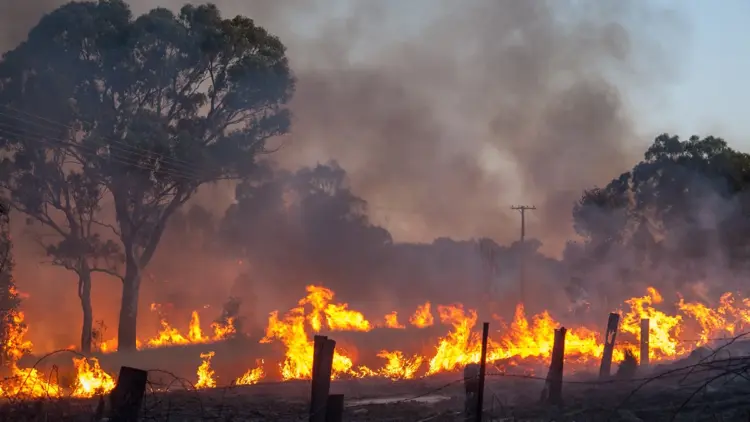
IAG renews Aboriginal Carbon Foundation partnership – (Re)in Asia
Comprehensive Summarization:
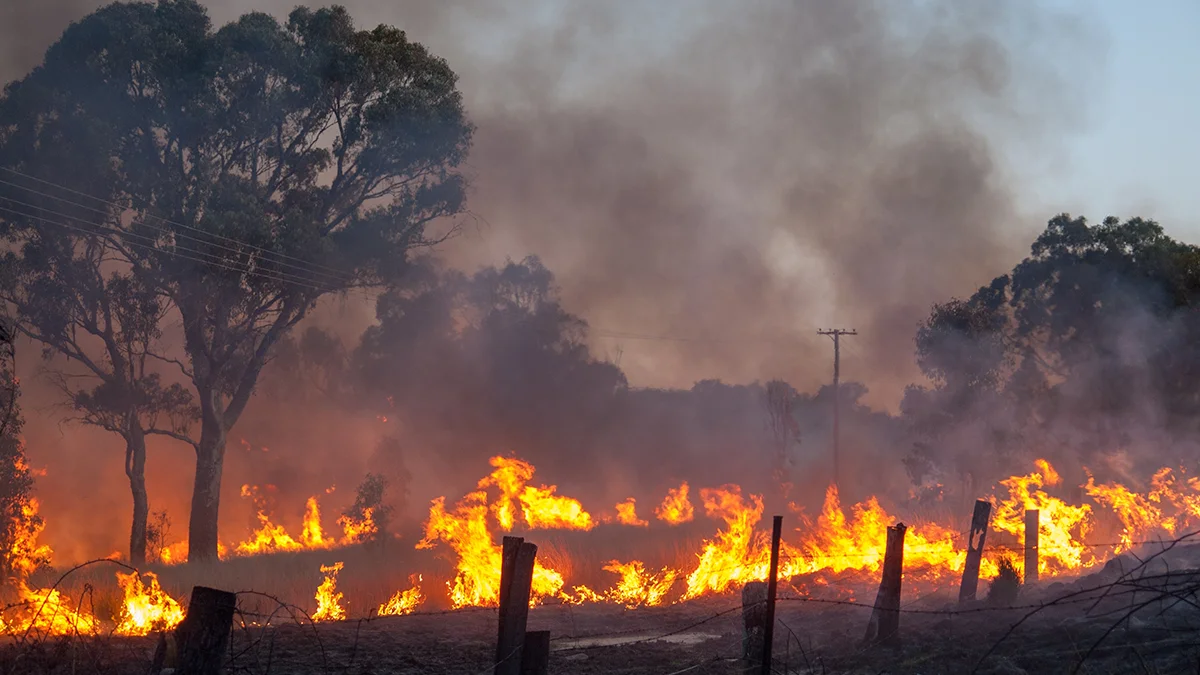
The article announces that IAG, an insurance business, has extended its partnership with the Aboriginal Carbon Foundation (AbCF) for an additional three years. This extension comes as IAG continues to support AbCF’s initiatives aimed at raising awareness and adoption of cultural land management practices, particularly in light of increasing bushfire risks. The partnership, initiated in 2022, focuses on delivering economic benefits to Indigenous peoples and Traditional Owner groups engaged in specialized cultural land management work. The article also touches on cultural burns, a key aspect of cultural land management practices, highlighting their importance in the context of environmental conservation and Indigenous heritage preservation.
Key Points:
Actionable Takeaways:
Enhanced Collaboration for Environmental Sustainability: The renewed partnership between IAG and AbCF underscores the growing importance of collaboration between the insurance sector and Indigenous-led environmental initiatives. This collaboration can lead to innovative risk management strategies that incorporate traditional ecological knowledge, potentially reducing bushfire risks and enhancing community resilience. (Relevance: Aligns with current industry trends focusing on sustainability and community-driven conservation efforts.)
Integration of Cultural Practices in Risk Management: The focus on cultural burns as part of land management practices illustrates a shift towards integrating traditional knowledge systems into modern risk management frameworks. This approach not only supports environmental conservation but also provides economic benefits to Indigenous communities, aligning with broader industry trends towards inclusive and sustainable business practices. (Relevance: Highlights the potential for startups and fintech solutions to facilitate such integrations, creating new market opportunities in sustainable finance.)
Investment in Indigenous-led Initiatives: The extension of the partnership signals a commitment to long-term investment in Indigenous-led environmental projects. This trend is likely to attract more financial and technological support from the travel and insurance sectors, fostering innovation in sustainable travel tech and fintech solutions that benefit Indigenous communities. (Relevance: Points to the potential for increased investment in startups focused on cultural preservation and environmental sustainability, driving growth in the travel tech and fintech sectors.)
Contextual Insights:
The article reflects the current emphasis in the travel industry on sustainability and community engagement, particularly in the wake of increasing environmental challenges such as bushfires. The renewed partnership between IAG and AbCF aligns with broader industry trends towards integrating cultural and environmental considerations into business operations. This context is crucial for understanding the strategic importance of such partnerships, as they not only address immediate environmental concerns but also contribute to long-term community resilience and economic empowerment. Furthermore, the article’s focus on cultural burns and Indigenous land management practices highlights the growing recognition of traditional ecological knowledge as a valuable asset in modern environmental conservation efforts. As the travel industry continues to evolve, such partnerships may serve as models for other sectors seeking to incorporate sustainability and social responsibility into their operations.
Read the Complete Article.
Experience the magic of the Nile aboard Kenzy Dahabeya, a luxury boutique sailing cruise that offers an unforgettable journey between...
Read moreDetails



