








Comprehensive Summarization:
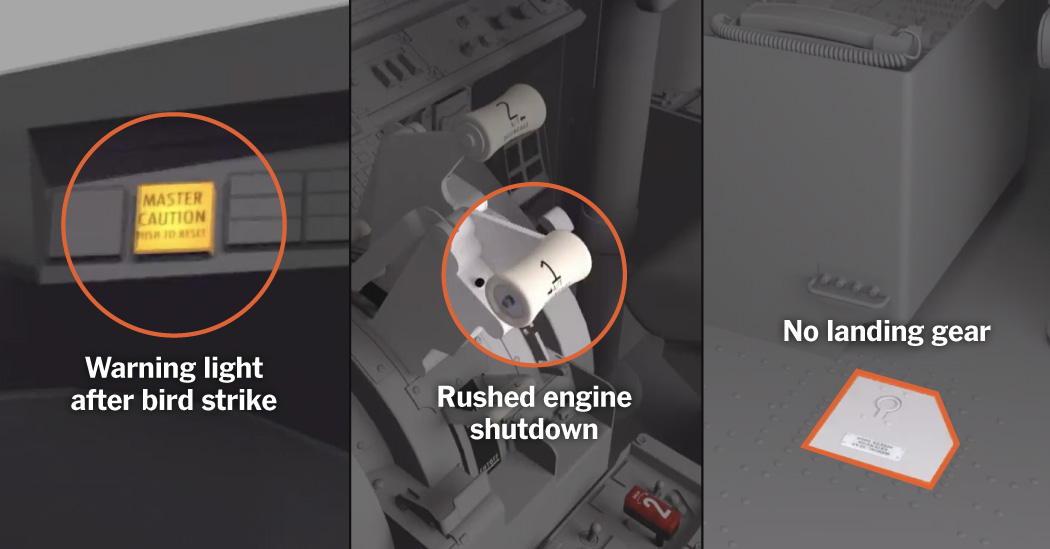
The article recounts a tragic incident involving a flight that departed from Thailand with 181 passengers on board. The aircraft, a redeye, flew for approximately 4 hours and 30 minutes without incident before encountering a critical issue in its final four and a half minutes. The first officer alerted the captain about the presence of debris below, and the captain subsequently declared that the situation was untenable. This event marks one of the deadliest air disasters in recent years, resulting in the loss of 179 lives. The article underscores the gravity of the situation and the importance of rigorous safety protocols in the aviation industry.
Key Points:
- A flight from Thailand carrying 181 passengers experienced a catastrophic failure in its final four and a half minutes of flight.
- The incident resulted in the loss of 179 lives, marking it as one of the deadliest air disasters in recent years.
- The first officer’s warning about debris below the aircraft and the captain’s declaration that the situation was not salvageable were pivotal moments in the disaster.
Actionable Takeaways:
-
Enhanced Safety Protocols: The incident highlights the critical need for airlines to continuously review and enhance their safety protocols, particularly concerning real-time monitoring and response mechanisms during critical phases of flight. This takeaway is relevant as it underscores the industry’s commitment to safety and the potential impact of technological advancements on aviation safety.
-
Investment in Air Traffic Management Systems: The tragedy emphasizes the necessity for airlines to invest in advanced air traffic management systems that can provide real-time data and predictive analytics. This is crucial for preventing similar incidents in the future and aligns with the ongoing trend of integrating technology to improve safety and operational efficiency in the travel industry.
Contextual Insights:
The article is set against the backdrop of a period marked by heightened scrutiny of aviation safety following several high-profile incidents. The focus on real-time monitoring and predictive analytics in air traffic management systems reflects a broader industry trend towards leveraging technology to enhance safety. This context is crucial for understanding the urgency of the recommendations provided. Furthermore, the incident serves as a reminder of the ongoing need for rigorous safety standards and continuous improvement in the aviation sector, particularly as the industry recovers from the disruptions caused by the COVID-19 pandemic. The insights drawn from this article are pertinent to travel startups and fintech innovations, as they underscore the importance of technological advancements in ensuring passenger safety and operational resilience.
Read the Complete Article.

