











Comprehensive Summarization:
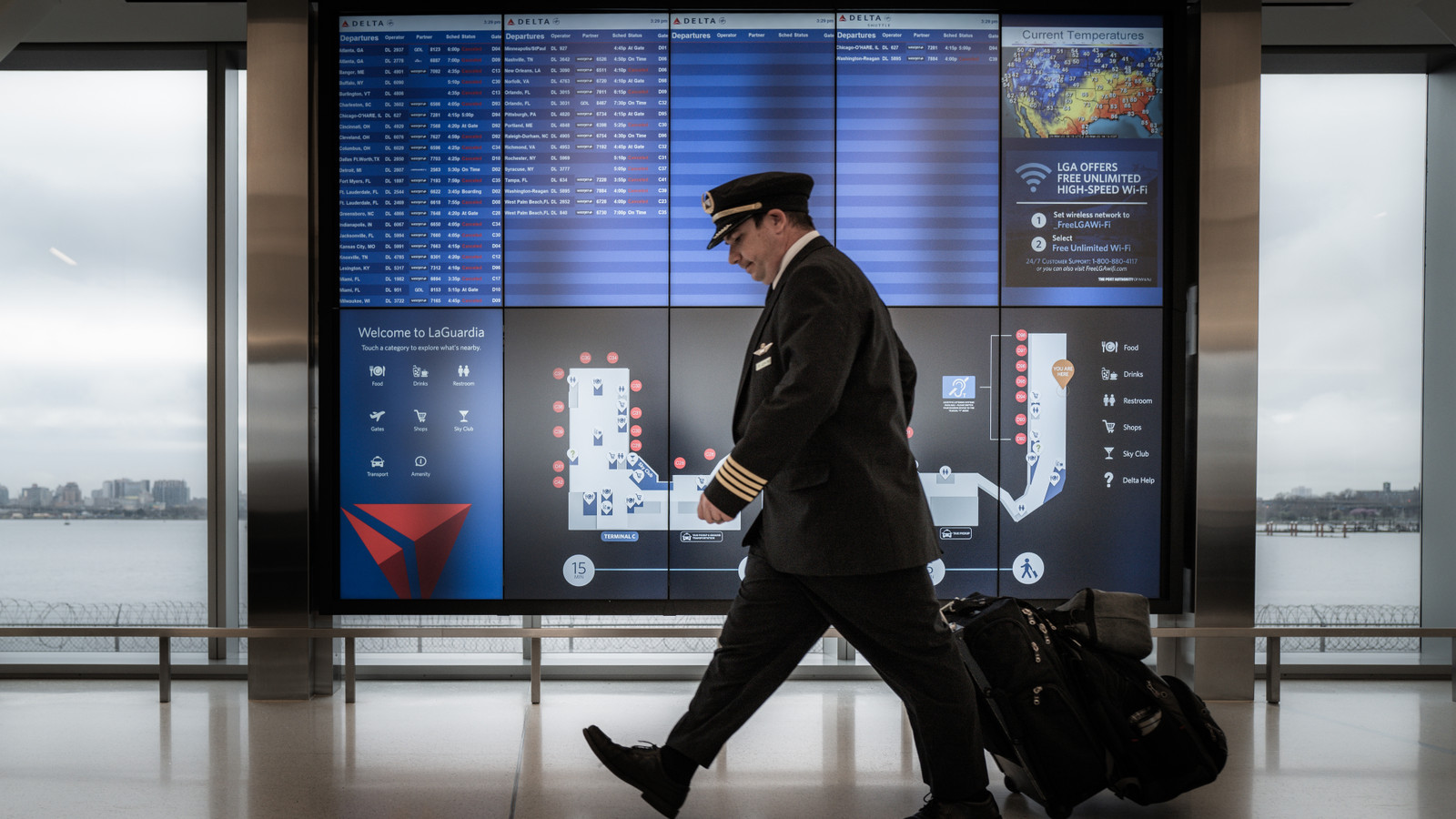
The Federal Aviation Administration (FAA) halted flights at 13 major U.S. airports on Tuesday, with losses exceeding 4,000 departures in just two days. LaGuardia Airport, a key Delta Air Lines hub, bore the brunt of the disruptions, canceling more than half of its total flight volume. As of late Wednesday morning, LaGuardia remained the airport with the highest number of cancelled departure flights worldwide, underscoring the significant impact of the flight cancellations on the U.S. travel industry.
Key Points:
- FAA imposed flight cancellations at 13 major U.S. airports due to operational disruptions, resulting in over 4,000 cancellations within two days.
- LaGuardia Airport experienced the most significant cancellations, with more than half of its flight volume being canceled.
- Delta Air Lines’ LaGuardia hub was particularly affected, highlighting the airport’s critical role in the disrupted travel network.
- The disruptions underscore the vulnerability of the U.S. travel industry to operational challenges, impacting millions of travelers and stakeholders.
Actionable Takeaways:
-
Enhanced Operational Resilience: The incident highlights the need for airlines and airports to invest in robust operational resilience strategies, including real-time monitoring and contingency planning, to mitigate the impact of unexpected disruptions. This is crucial for maintaining service reliability and customer trust in the face of unforeseen challenges.
-
Focus on Critical Hubs: Given that LaGuardia Airport was the hardest hit, airports and airlines should prioritize the operational stability of critical hubs. This includes investing in backup systems, increasing staffing, and ensuring robust communication channels to manage and communicate with passengers effectively during and after disruptions.
-
Leverage Technology for Real-Time Updates: The use of advanced technology solutions for real-time flight tracking and passenger communication can significantly reduce the impact of cancellations. Airlines and airports should leverage these technologies to provide timely updates to travelers, thereby improving overall customer satisfaction and operational efficiency.
Contextual Insights:
The recent flight cancellations at LaGuardia Airport and other major U.S. airports highlight the vulnerabilities within the U.S. travel infrastructure, particularly in the face of operational challenges. This event is reflective of broader trends in the travel industry, where technological disruptions, weather events, and unforeseen operational issues can quickly cascade into widespread disruptions. The incident underscores the importance of technological innovation in travel tech, such as AI-driven predictive analytics and automated communication systems, which can enhance operational resilience and improve passenger experience during disruptions. Furthermore, the incident serves as a reminder for industry stakeholders to continuously invest in infrastructure, staffing, and contingency planning to ensure the resilience of the travel ecosystem. As the industry moves forward, embracing these insights will be crucial in navigating future challenges and maintaining the reliability of air travel.
Read the Complete Article.






