







Comprehensive Summarization:
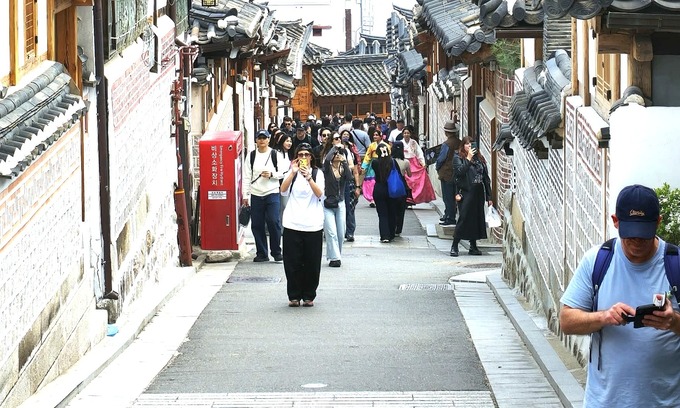
The article discusses a significant increase in South Korea’s inbound tourism in the first half of the year, highlighting a 26.9% rise compared to the same period in 2019, prior to the Covid-19 pandemic. Mainland China remains the largest source of inbound tourists, with 3.21 million arrivals. Japan and Taiwan follow with 1.95 million and 1.15 million visitors, respectively, while the U.S. and the Philippines account for 810,000 and 360,000 visitors. As of late June, South Korea had welcomed over 10 million inbound visitors, marking a month earlier arrival than in 2025. This trend suggests that the country is on track to meet its tourism target of attracting between 22 million and 23 million overseas visitors in 2026. The article also mentions the renewed confidence in South Korea’s tourism sector, aligning with broader travel industry trends and insights.
Key Points:
- South Korea experienced a 26.9% increase in inbound tourism in the first half of the year compared to 2019, indicating a strong recovery post-Covid-19.
- Mainland China is the largest inbound tourism market for South Korea, with 3.21 million arrivals.
- Japan ranked second with 1.95 million visitors, followed by Taiwan with 1.15 million.
- The U.S. and the Philippines accounted for 810,000 and 360,000 visitors, respectively.
- By late June, South Korea had welcomed over 10 million inbound visitors, surpassing the same period in 2025.
- The country is on track to meet its tourism target of attracting between 22 million and 23 million overseas visitors in 2026.
Actionable Takeaways:
- Enhanced Marketing Strategies: Leveraging the strong performance of Mainland China and Japan as key markets, South Korea can refine its marketing strategies to further boost inbound tourism. This could involve targeted campaigns highlighting unique cultural experiences and travel incentives.
- Diversification of Travel Sources: Expanding partnerships with new inbound markets, such as the U.S. and the Philippines, could open up additional revenue streams and reduce dependency on traditional markets like China.
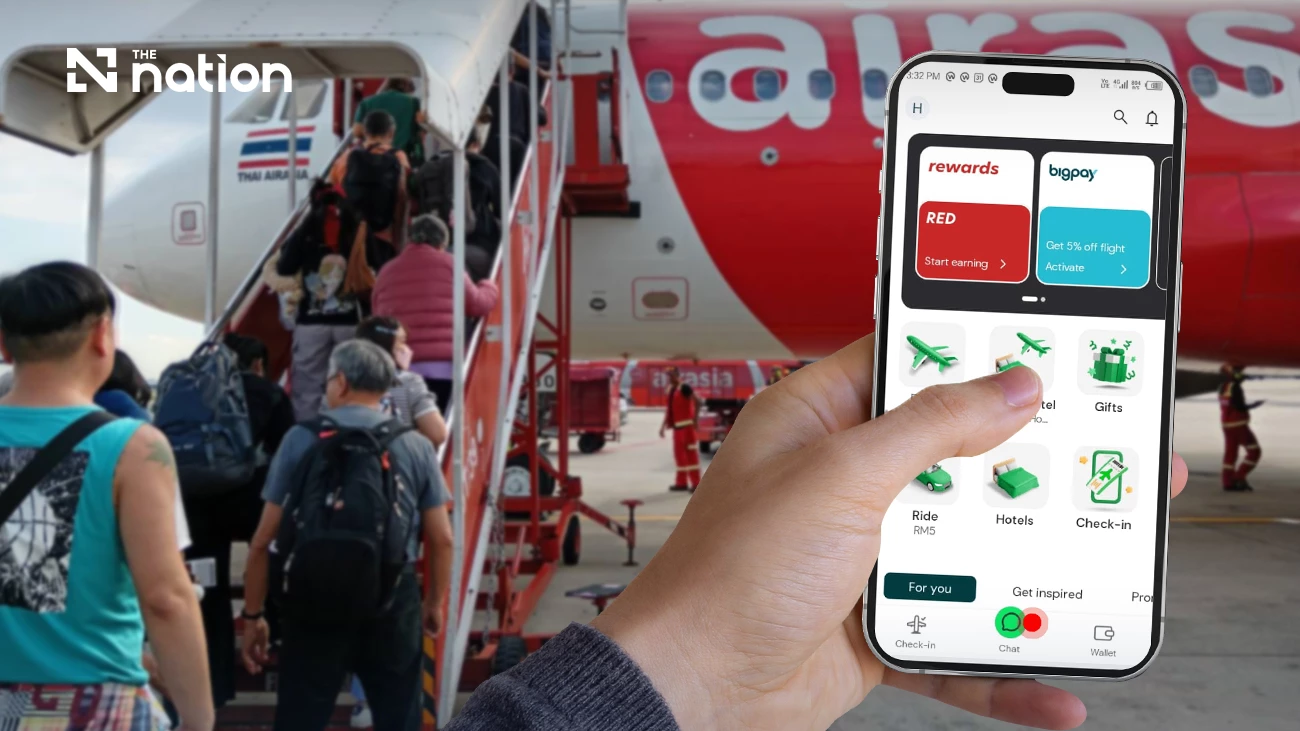
- Leverage Technological Advancements: Given the recovery in tourism, there’s an opportunity to further integrate technology in travel planning and execution, enhancing the visitor experience and operational efficiency.
Contextual Insights:
The article reflects a robust recovery in South Korea’s tourism sector following the Covid-19 pandemic, with China continuing to dominate inbound travel. This resurgence is crucial for the country’s economic recovery, as tourism contributes significantly to its GDP. The data aligns with broader industry trends, such as the increasing importance of technology in travel, suggesting that South Korea is not only recovering but also innovating to enhance visitor experiences. The early achievement of 10 million visitors in late June suggests that the country is ahead of schedule in meeting its 2026 tourism targets, indicating a positive outlook for the sector. These insights underscore the importance of strategic marketing, market diversification, and technological integration in driving future growth in the travel industry.
Read the Complete Article.

